
Crane Requirements for Oil & Gas Facilities in Kuwait
Kuwait as an important OPEC oil-producing countries, the oil and gas industry is the core pillar of its economy, contributing 90% of the fiscal revenue and 95% of the share of exports, with 7% of the world's oil reserves, covering oil and gas extraction, storage and transportation, refining the whole industry chain, the project working conditions are complex, the scale of infrastructure is huge.
Cranes are the core equipment for oil and gas project construction, operation and maintenance in Kuwait. The local oil and gas plant is a flammable and explosive high-risk environment, superimposed on the harsh regulations and standards and harsh desert conditions, the lifting operation of compliance, safety and professionalism requirements are extremely high.
This article explains the Kuwaiti oil and gas industry crane operation specifications, suitable models, safety standards, environmental response measures, maintenance requirements and selection criteria for service providers, to provide professional practical guidance for relevant enterprises to effectively avoid compliance and safety risks.
Understanding Kuwait's Oil & Gas Infrastructure
Kuwait's oil and gas industry is coordinated and operated by the state-owned KPC, which was established in 1980, with a clear division of labor among its subsidiaries and a complete industrial system, and all the oil and gas lifting standards and safety norms are uniformly formulated and enforced by KPC.
Industry Core Management Structure
KPC's core subsidiaries cover the whole oil and gas industry chain:
- KOC: the core upstream company, responsible for onshore oil and gas exploration and exploitation, and gradually expanding offshore business;
- KGOC: manages oil and gas resources in the neutral zone of Kosha;
- KNPC: responsible for downstream refining, oil products sales and gas processing;
- KIPIC: operating the large-scale refining and petrochemical complex in Arzur;
Supporting shipping, overseas exploration and petrochemical enterprises to form a complete industrial closed loop.
Core Facilities and Project characteristics
- Kuwait's main onshore oil field guarantees production capacity, with a crude oil production capacity of 3.2 million barrels per day in 2025 and a forward target of 4 million barrels per day. Local natural gas is mainly associated gas, short supply, dependent on LNG imports, focus on developing non-associated gas resources in the future.
- The midstream has about 2,000 kilometers of pipeline network and gathering, transportation and storage facilities to realize efficient oil and gas storage, transportation and transit.
- Kuwait has three main refineries with a total refining capacity of 1.42 million barrels per day, has completed clean fuel upgrading, has a well-developed petrochemical industry chain, and exports a large amount of oil and gas products.
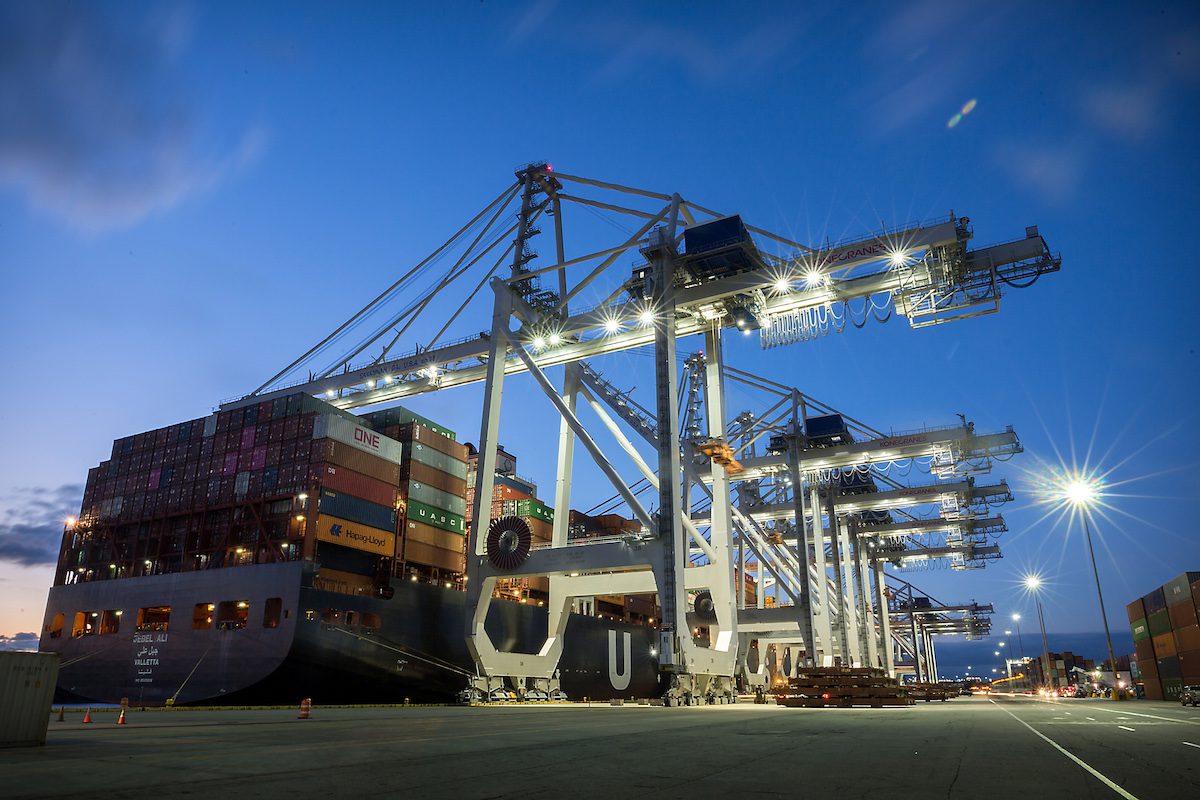
- In terms of export logistics, the Port of Ahmadi is the core crude oil and refined oil product export terminal, together with supporting hubs such as the Port of Abdullah and the Port of Shuaiba, relying on the gravity loading and unloading system to realize large-scale export, mainly supplying the Asian market.
Kuwait oil and gas scene covers in operation plant, new construction, remote oil fields and coastal terminals, complex working conditions, high risk, crane performance, operating standards and safety control requirements are stringent.
Key Crane Requirements for Oil & Gas Projects in Kuwait
Kuwait oil and gas lifting operations are subject to triple control by local regulations, the KPC-HSSE system and international standards, strict control of compliance, equipment safety, personnel qualifications and work processes, and violations will face work stoppages, fines, blacklists and other penalties.
Compliance Framework
The industry's core compliance is based on the Kuwait Industrial Authority's Ministerial Resolution No. 42 of 2023, which mandates that lifting equipment be equipped with core safety devices such as torque limiters, collision avoidance systems and emergency brakes as standard. All lifting operations must strictly comply with KOC, KNPC, KIPIC proprietary lifting regulations, international standards such as ASME, API, OSHA, and local labor safety and special equipment regulations.
Equipment Hard Standards
Cranes for oil and gas projects must comply with international standards such as ISO, ASME and EN, and be equipped with safety devices such as overload protection, load indication, limit switches, etc., as well as being suitable for high-temperature-resistant, dust-resistant and corrosion-resistant working conditions in the desert. Explosion-proof models must be used in flammable and explosive areas, and all equipment and spreaders must have valid third-party certification and load test reports, and the maintenance information can be checked on site.
Personnel Qualification Requirements
All lifting operators must have valid practicing qualifications recognized by Kuwait or Gulf countries, and the company gives priority to operators with 5-10 years of hands-on experience in local oil and gas projects. Lifters, riggers and on-site commanders are required to complete KPC certified HSE special training and regular retraining, proficient in high-risk operations risk control specifications and emergency response procedures, without valid qualifications are strictly prohibited to work.
Operation Process Standardization
All lifting operations must prepare special construction plans in advance, and for critical heavy loads, cross-equipment, and high-risk lifting conditions, JSA operation risk analysis, accurate load accounting and special approvals must be carried out simultaneously.
Before operation, PTW operation permit must be applied, equipment verification, wind speed monitoring, site isolation enclosure and pre-shift safety briefing must be completed; full-time supervisors must be provided throughout the operation, standardized command must be implemented, and hazardous operation areas must be strictly controlled to prevent unrelated personnel from entering the area.
Oil and Gas Scene Exclusive Requirements
High risk such as must be equipped with hidden dangers. Carry out when the existing oil and gas flammable and explosive, containing hydrogen sulfide high-risk areas, must use intrinsically safe explosion-proof lifting equipment to eliminate the risk of sparks. Refinery renovation, equipment lifting needs to be combined with the site pipeline and equipment layout refinement of the construction, to avoid collision and leakage hazards, the whole process of retaining operating accounts, to achieve traceable management.
Types of Cranes Commonly Used in Kuwait's Oil & Gas Sector
Kuwait oil and gas industry chain working conditions vary greatly, combined with the extreme desert environment and heavy-duty needs, the industry has formed a mature crane selection standards, all types of models are clearly defined, can fully cover the oilfield, refinery, warehousing and infrastructure lifting needs.
Mobile Crane
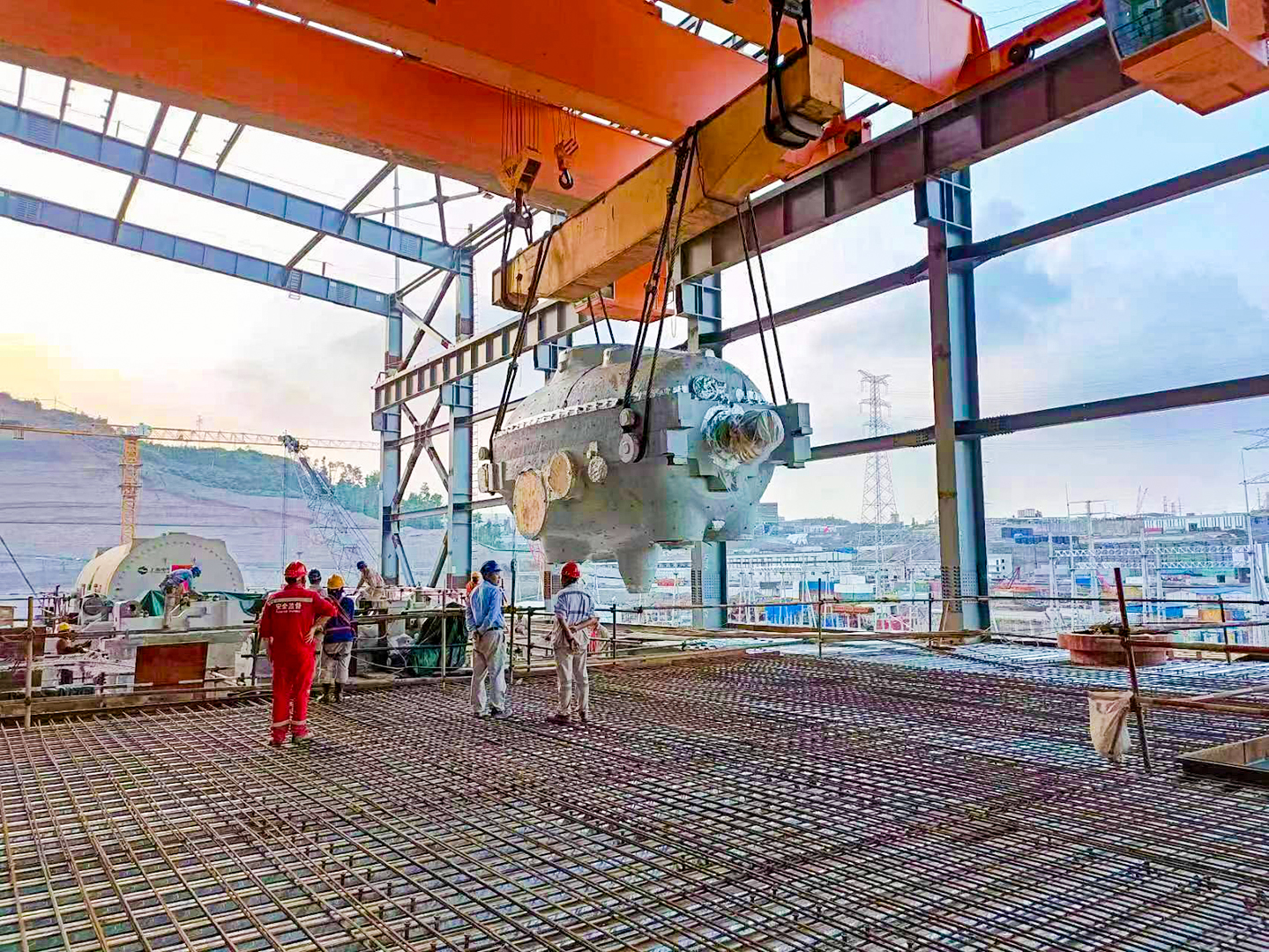
Mobile cranes are the most commonly used lifting equipment for oil and gas projects in Kuwait due to their flexibility, efficiency and strong site adaptability. Among them, 100-400 tons class all-terrain cranes can be adapted to complex desert conditions, and are capable of heavy lifting operations of large equipment modules;
Truck cranes are flexible and suitable for inter-regional short-distance transfer operations; 50-300-ton rough terrain cranes are designed for soft and rugged desert sites and are widely used in field oilfield infrastructure and long-distance pipeline laying projects.
Crawler Crane
Crawler cranes have become the equipment of choice for large-scale oil and gas heavy-duty lifting scenarios in Kuwait due to their core advantages of small ground pressure, large load carrying capacity, strong operational stability, and excellent wind-resistant performance. The tonnage of the model covers 50-1600 tons, and it is suitable for full-gradient heavy-duty lifting work conditions.
The model does not require hardened road surface, suitable for the desert soft and harsh conditions, is the core lifting equipment for key projects such as Alzur Refinery, Ahmadi Port, etc., and specializes in lifting and installation of large equipment, steel structures and EPC heavy modules.
Bridge/Electric Single Girder Crane (EOT)
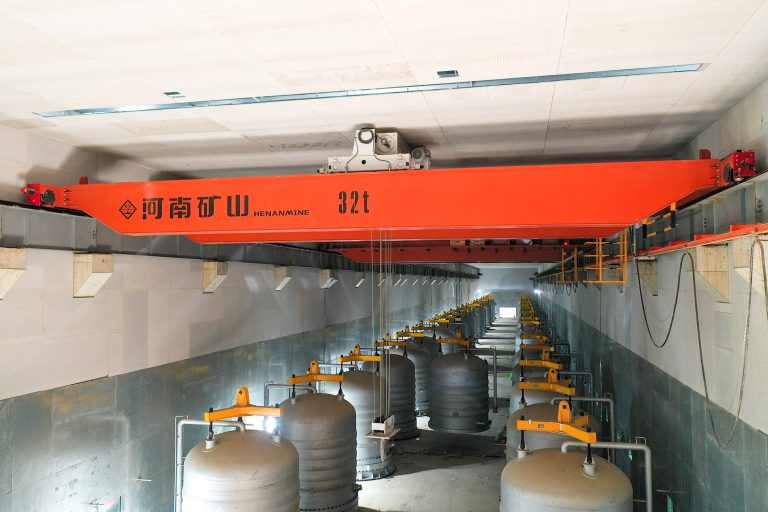
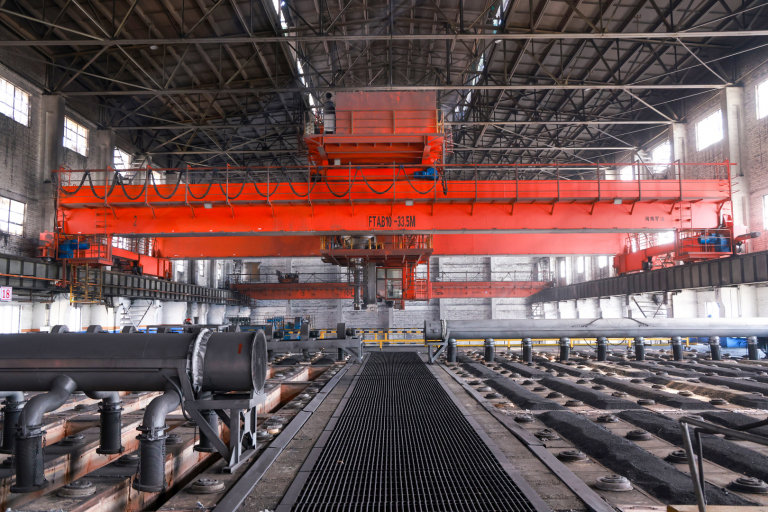
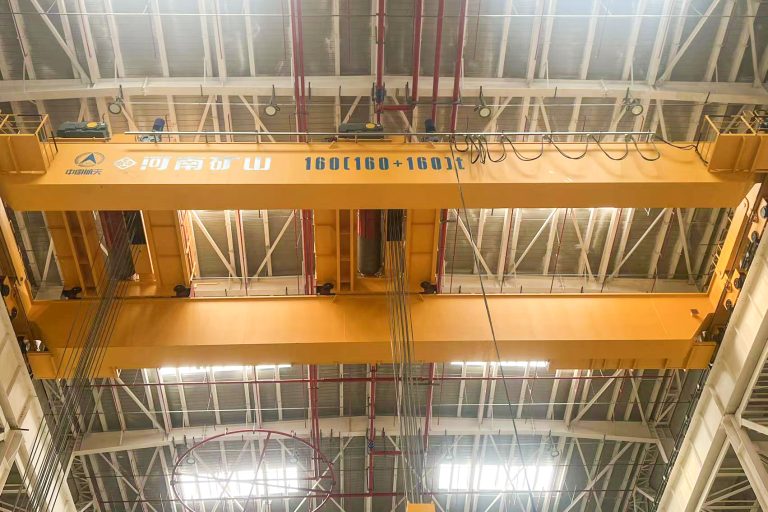
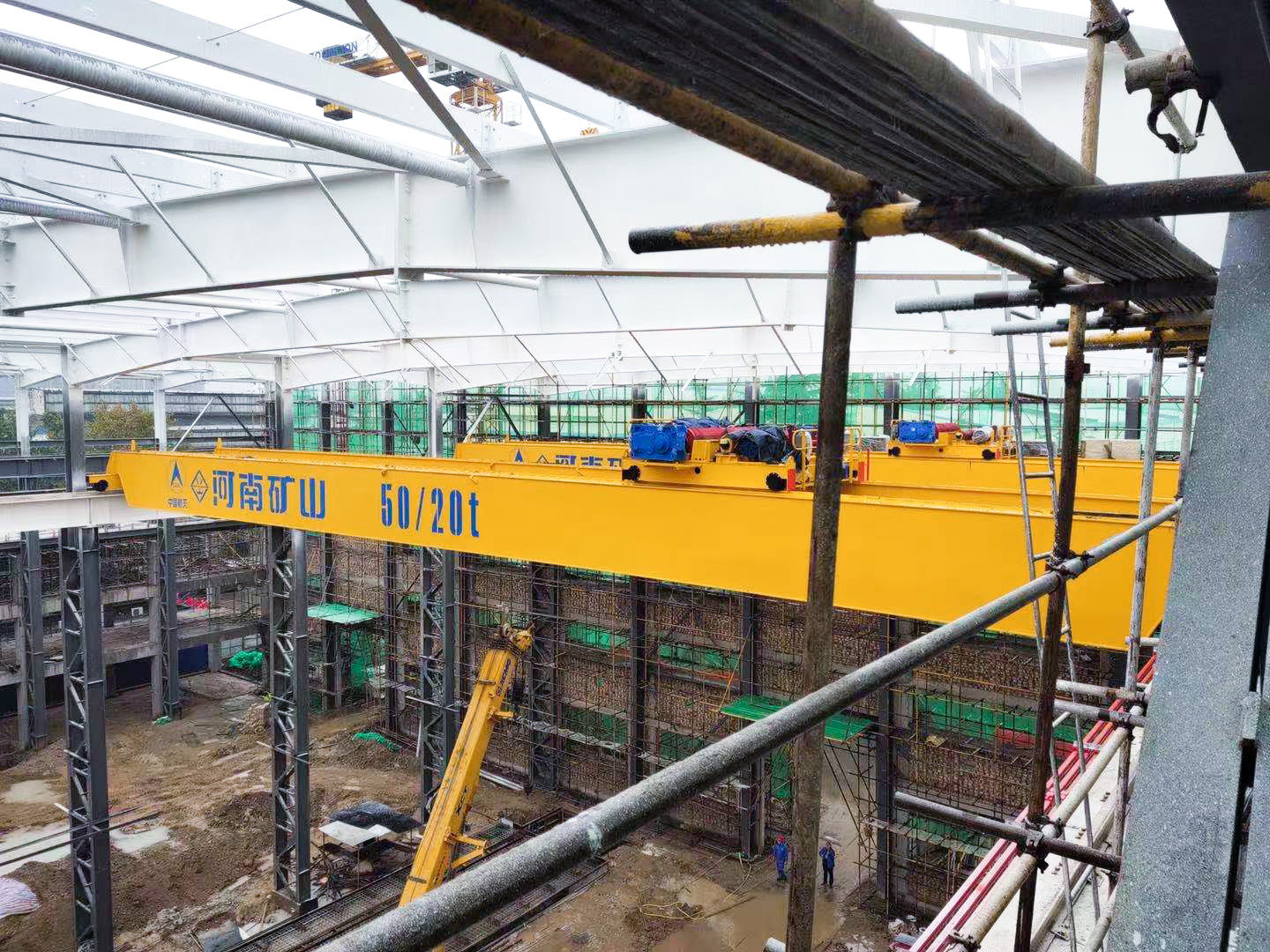
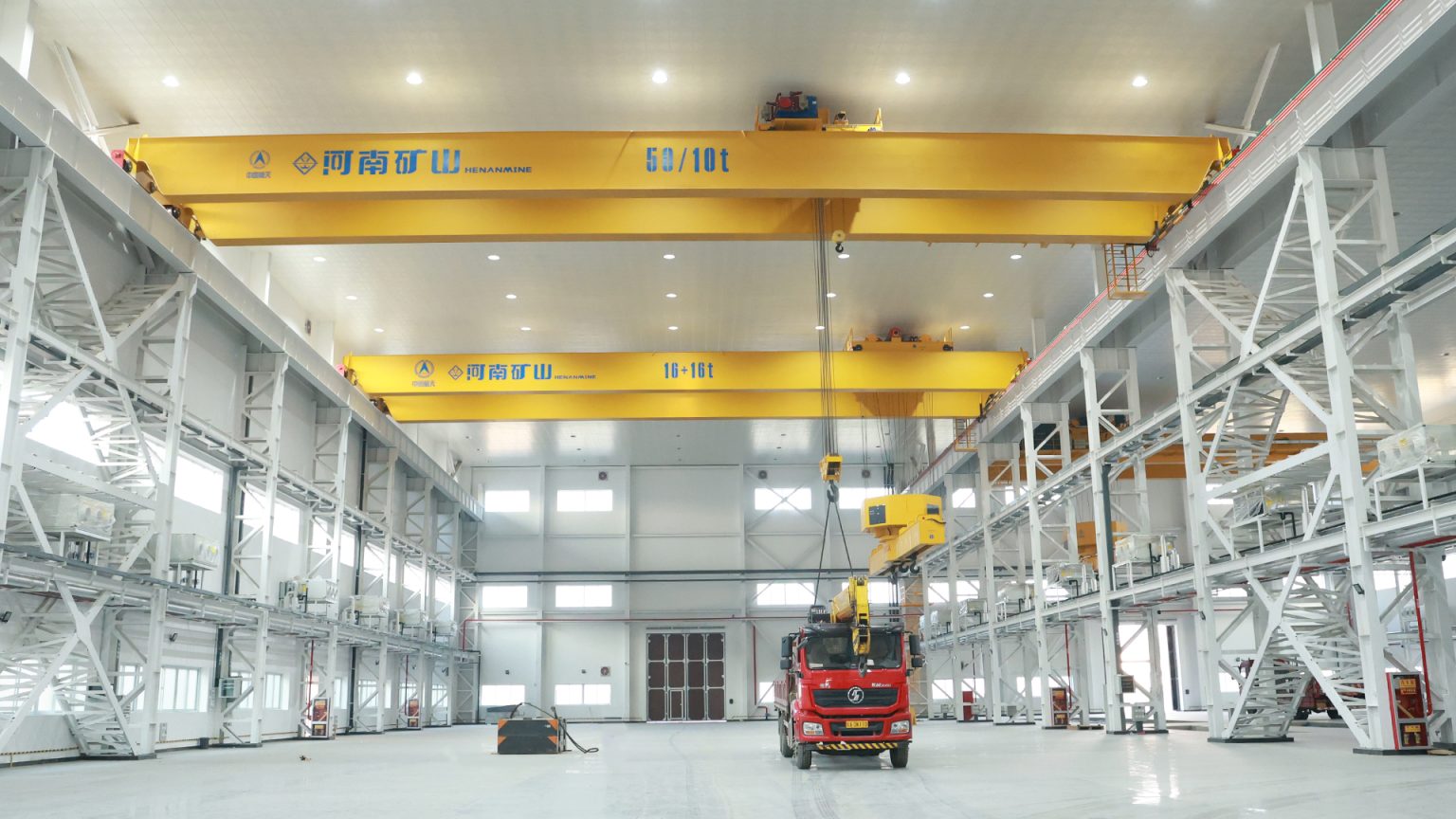
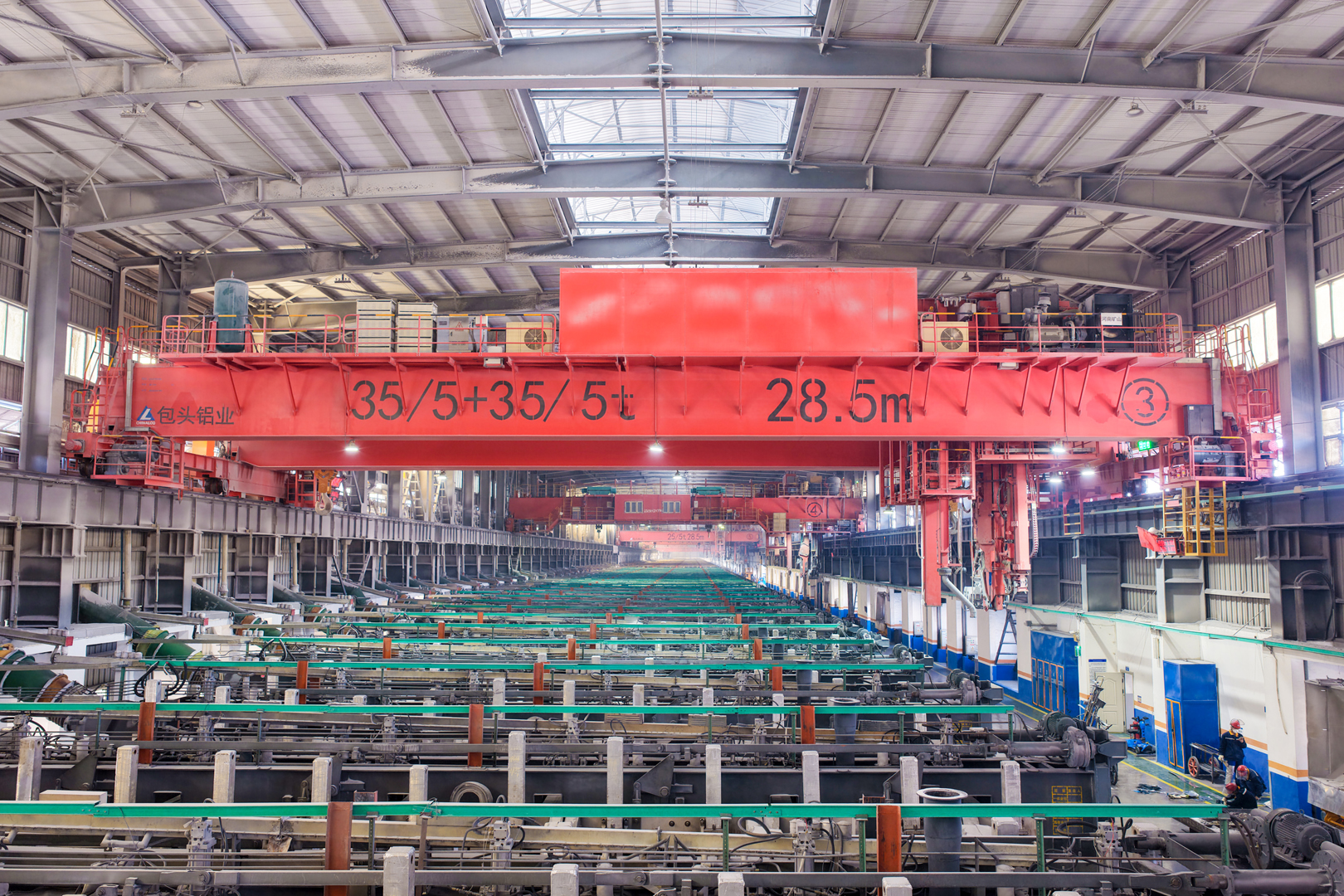
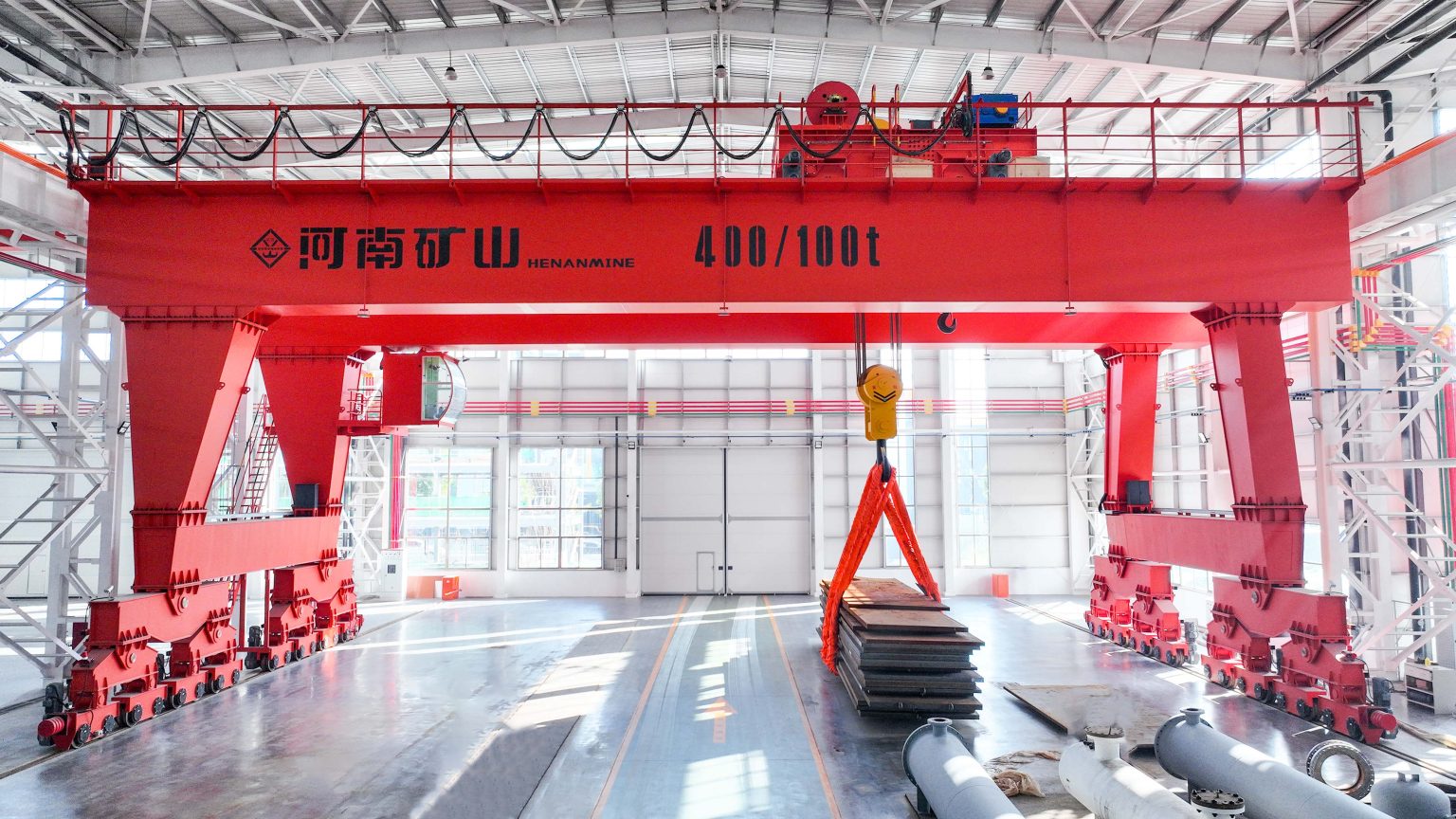
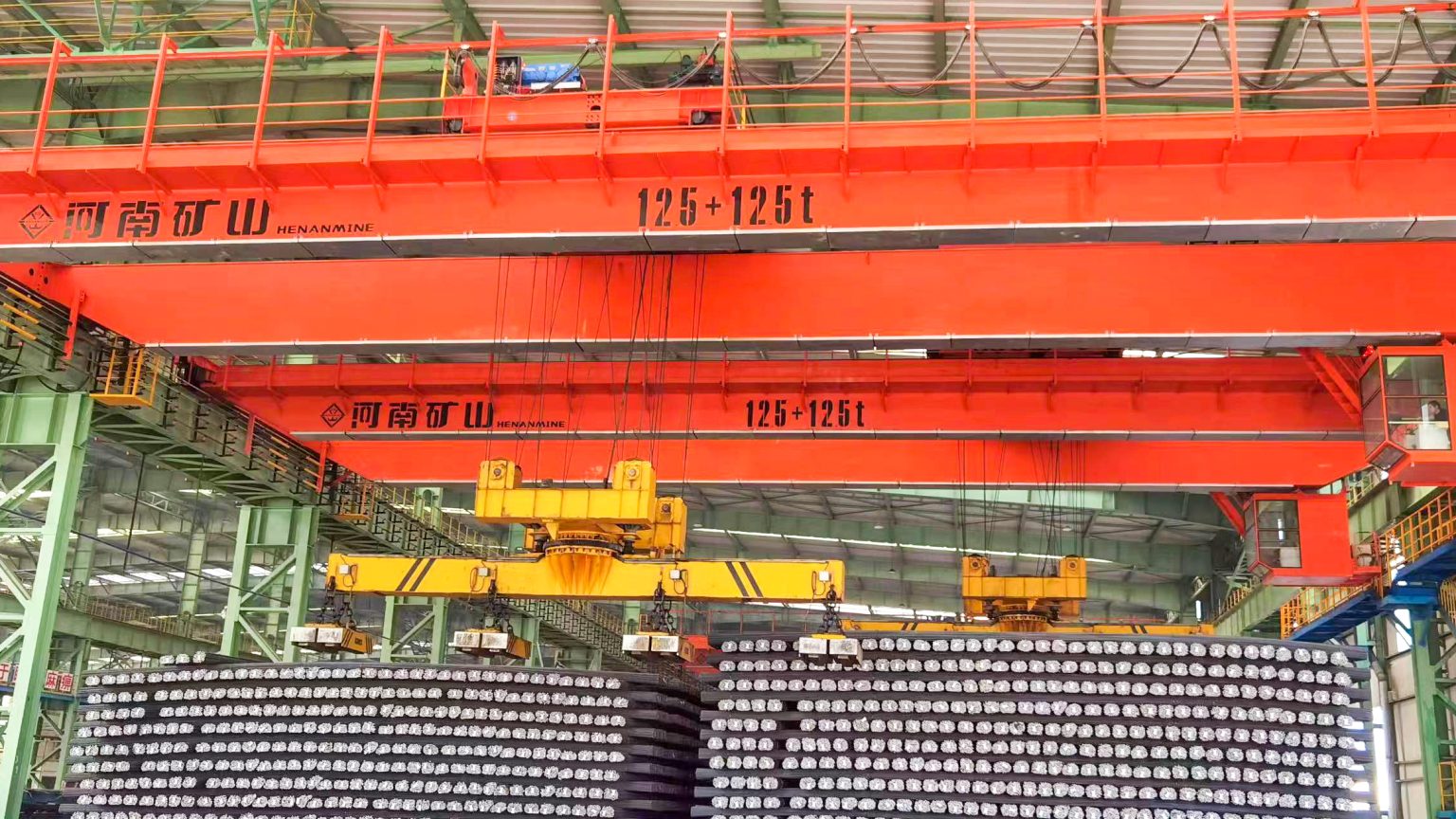
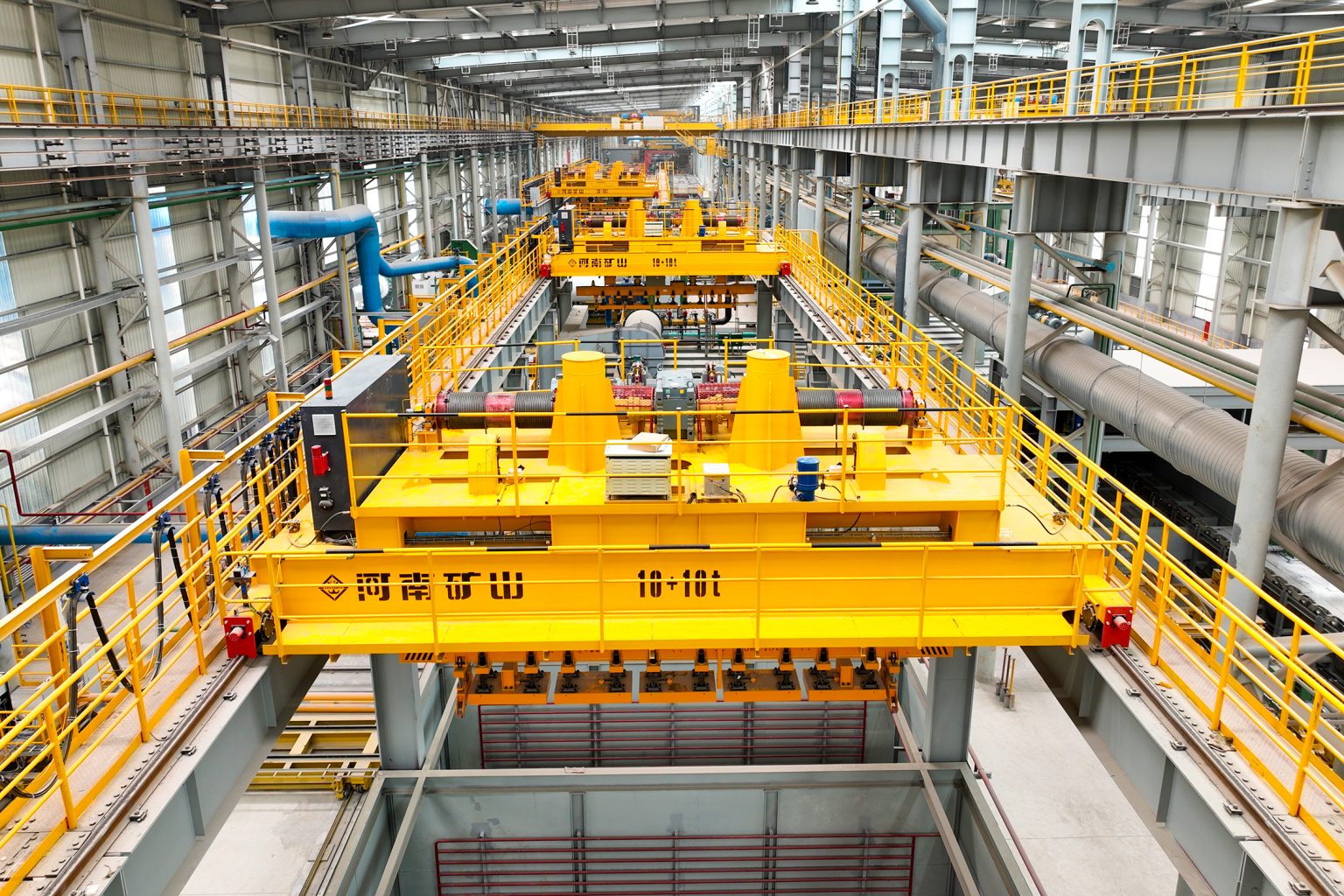
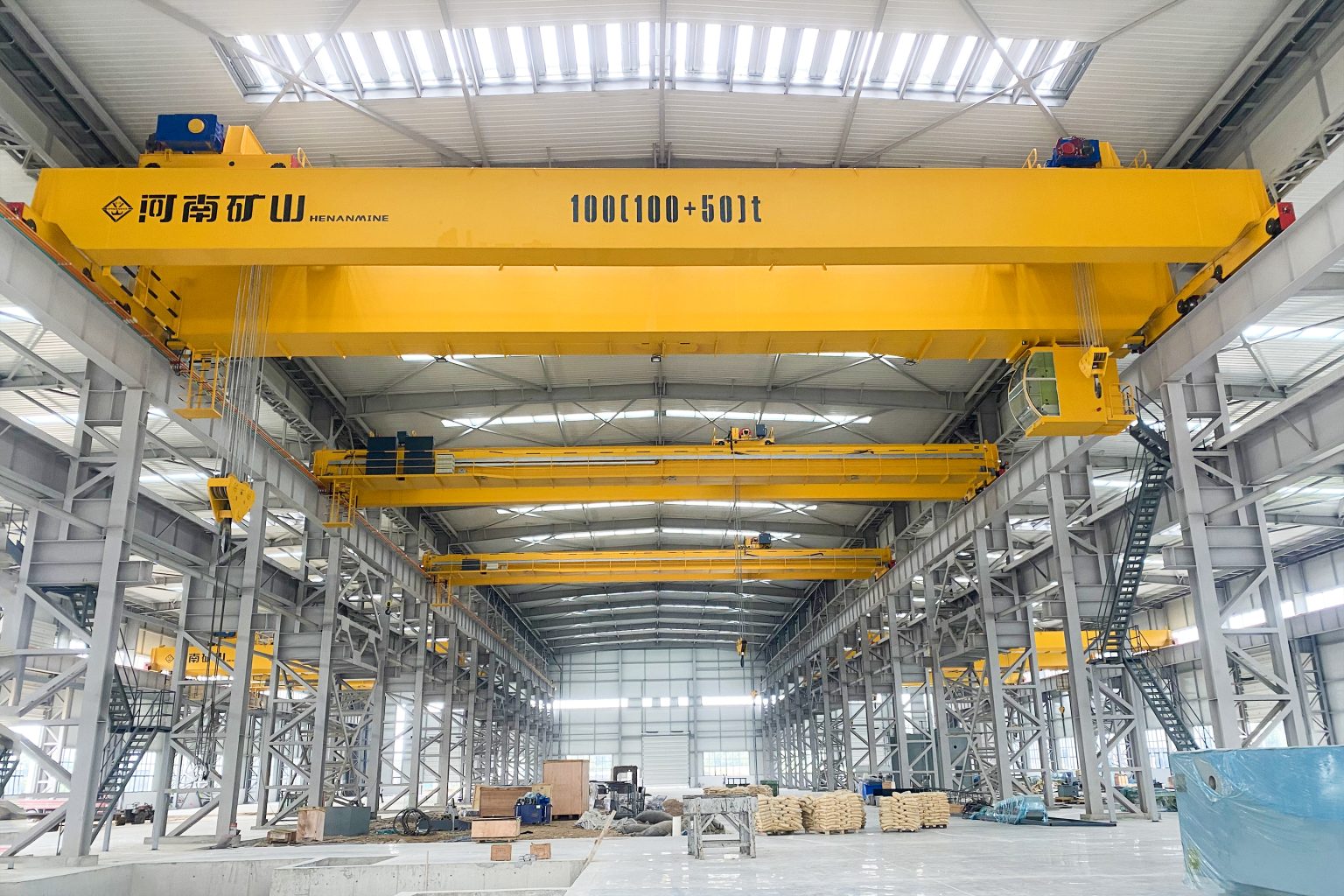
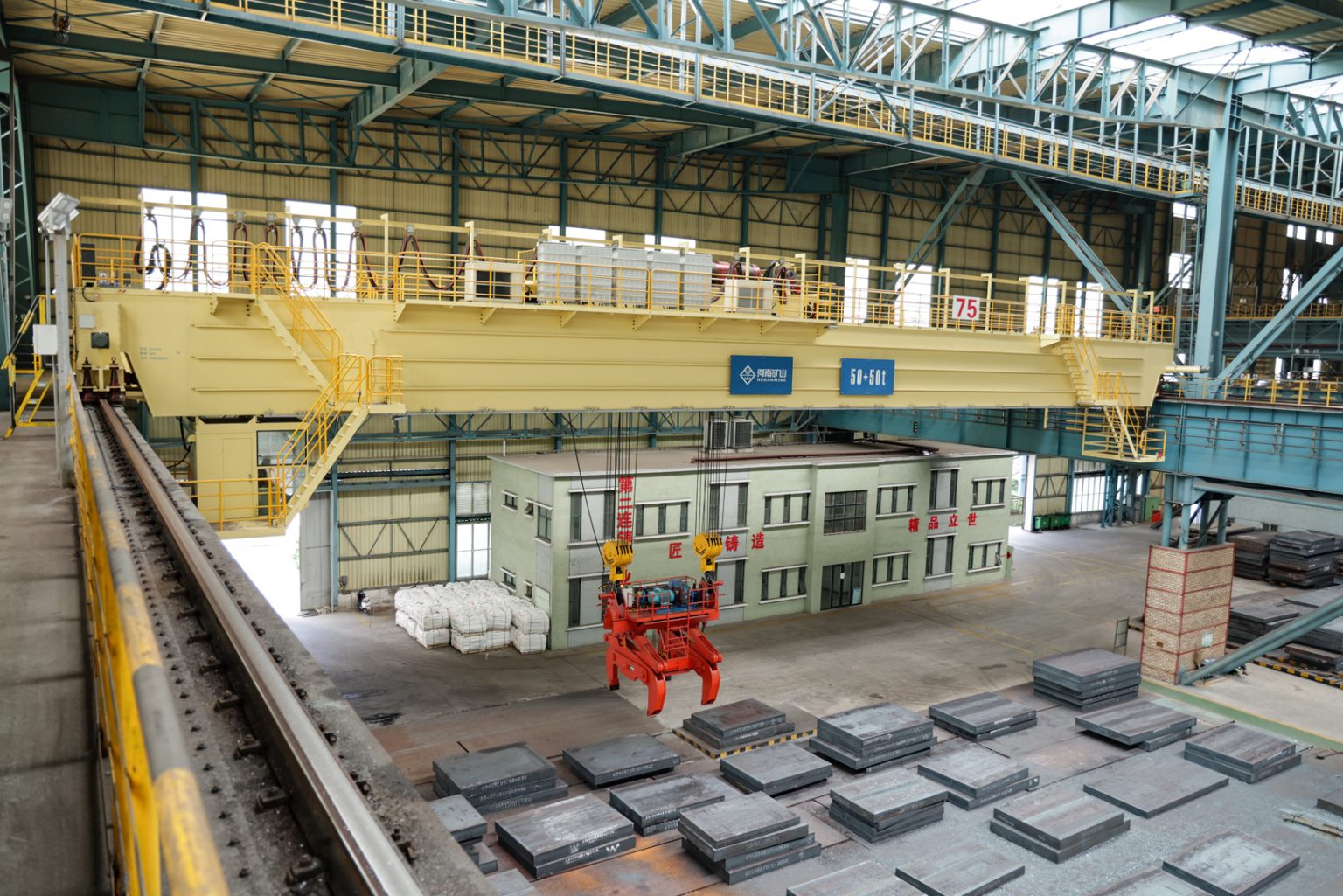
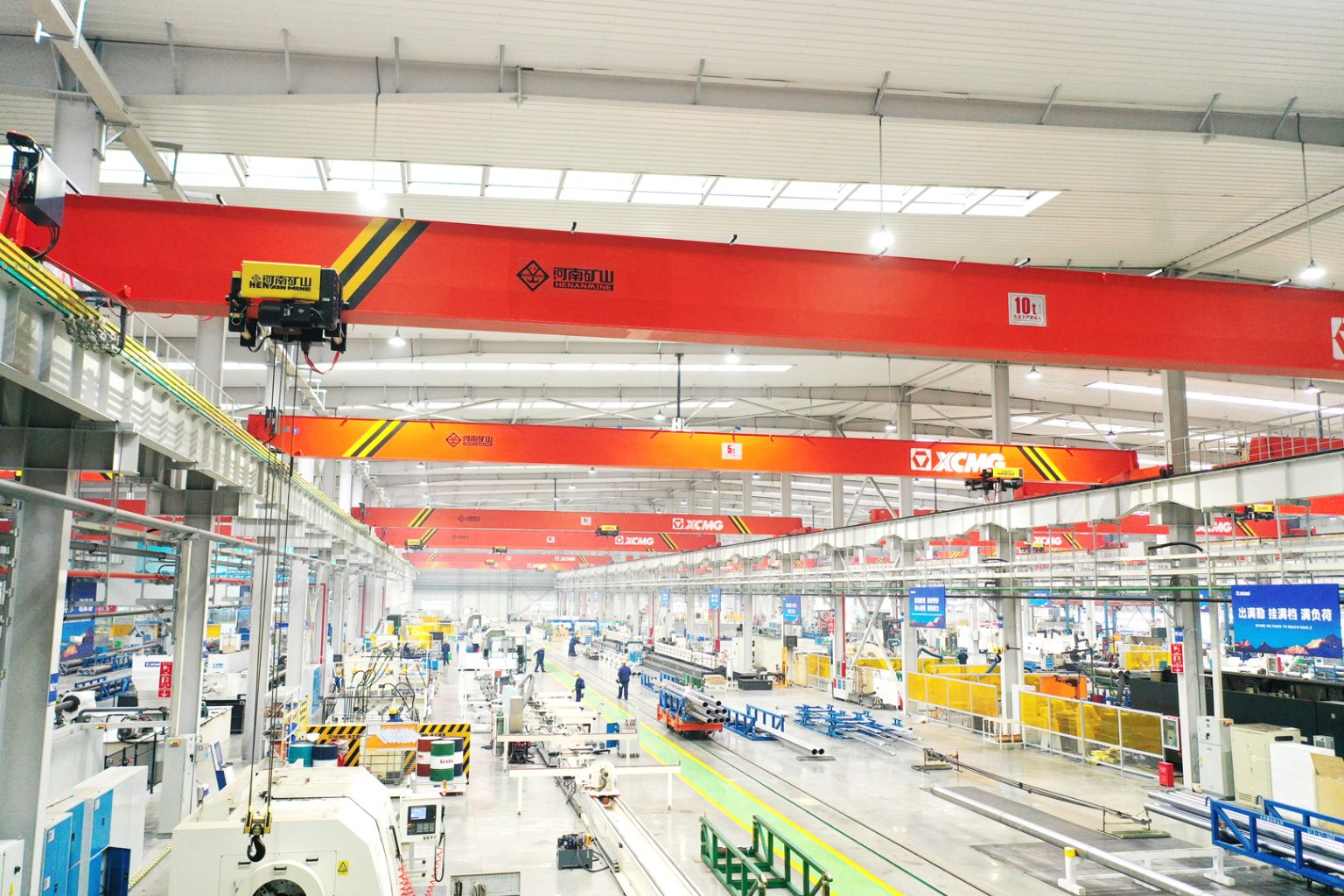
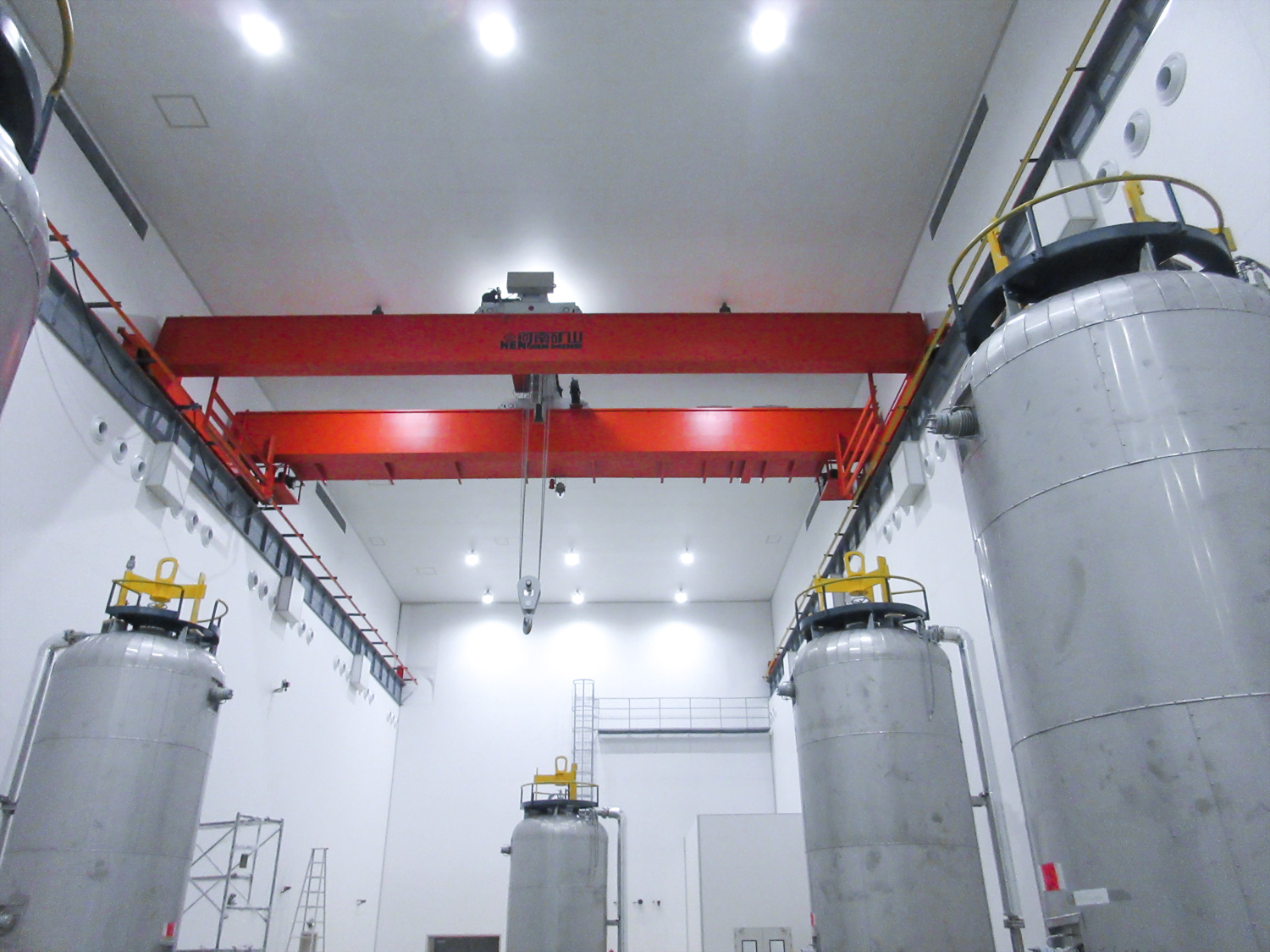
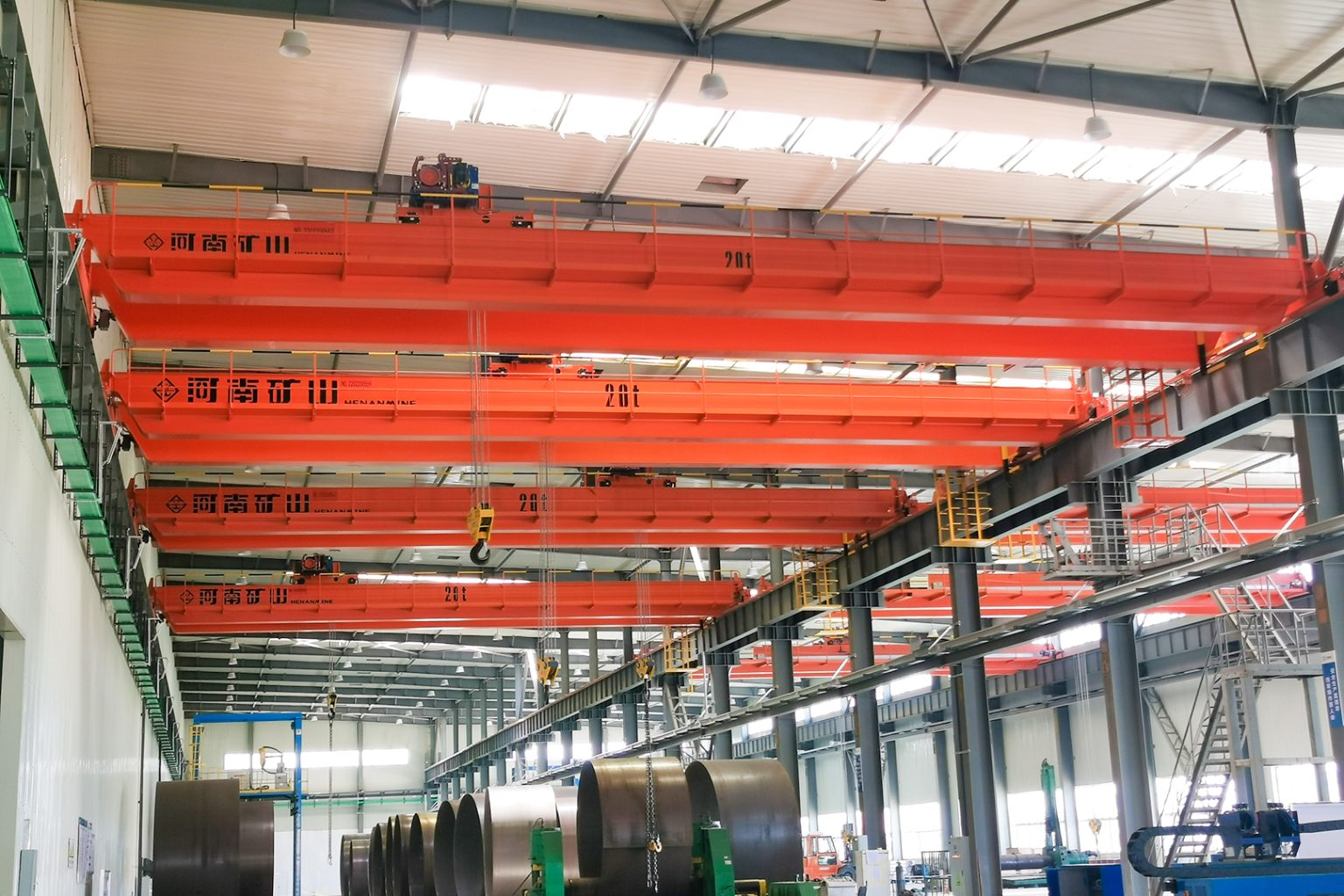
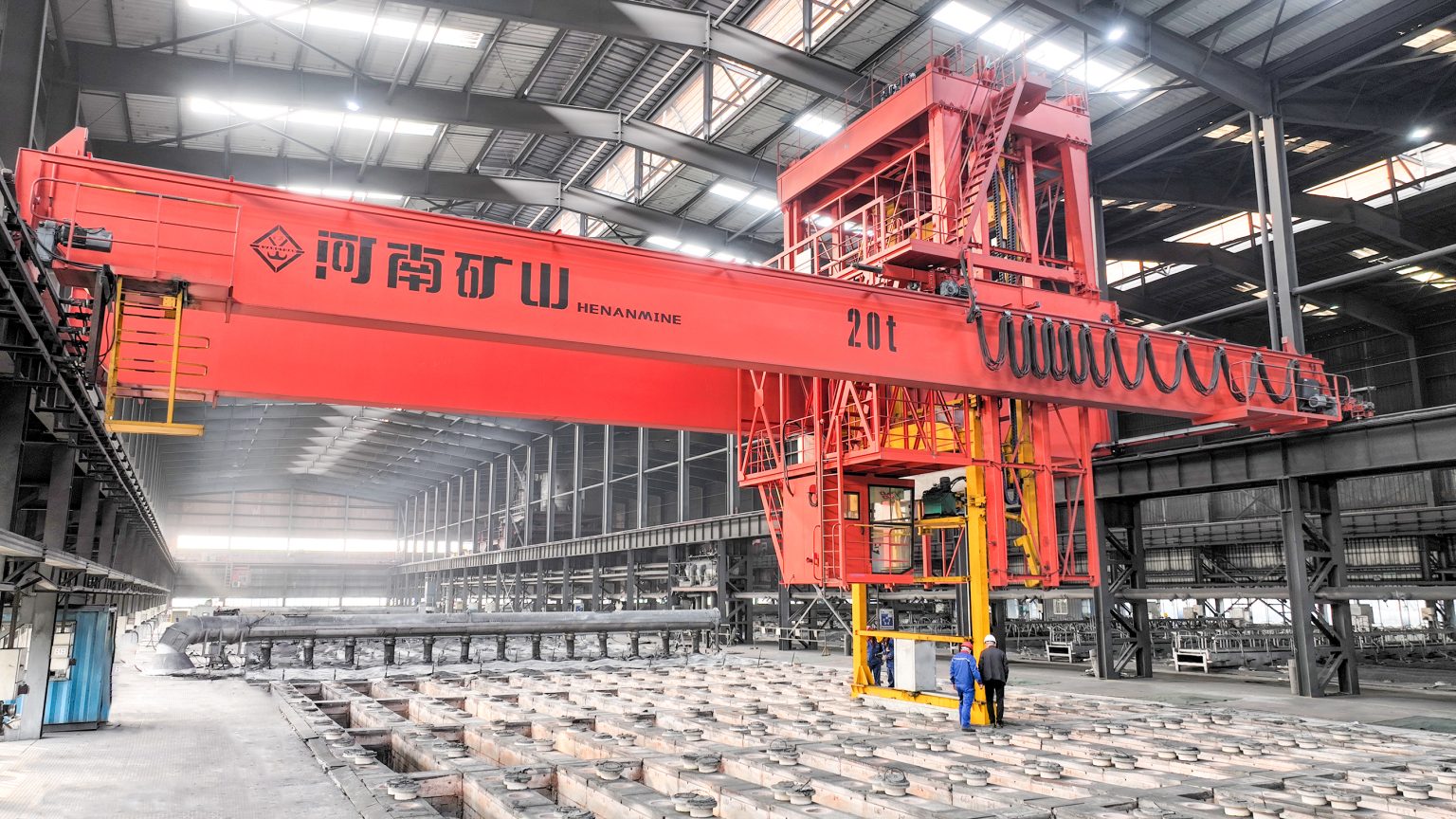
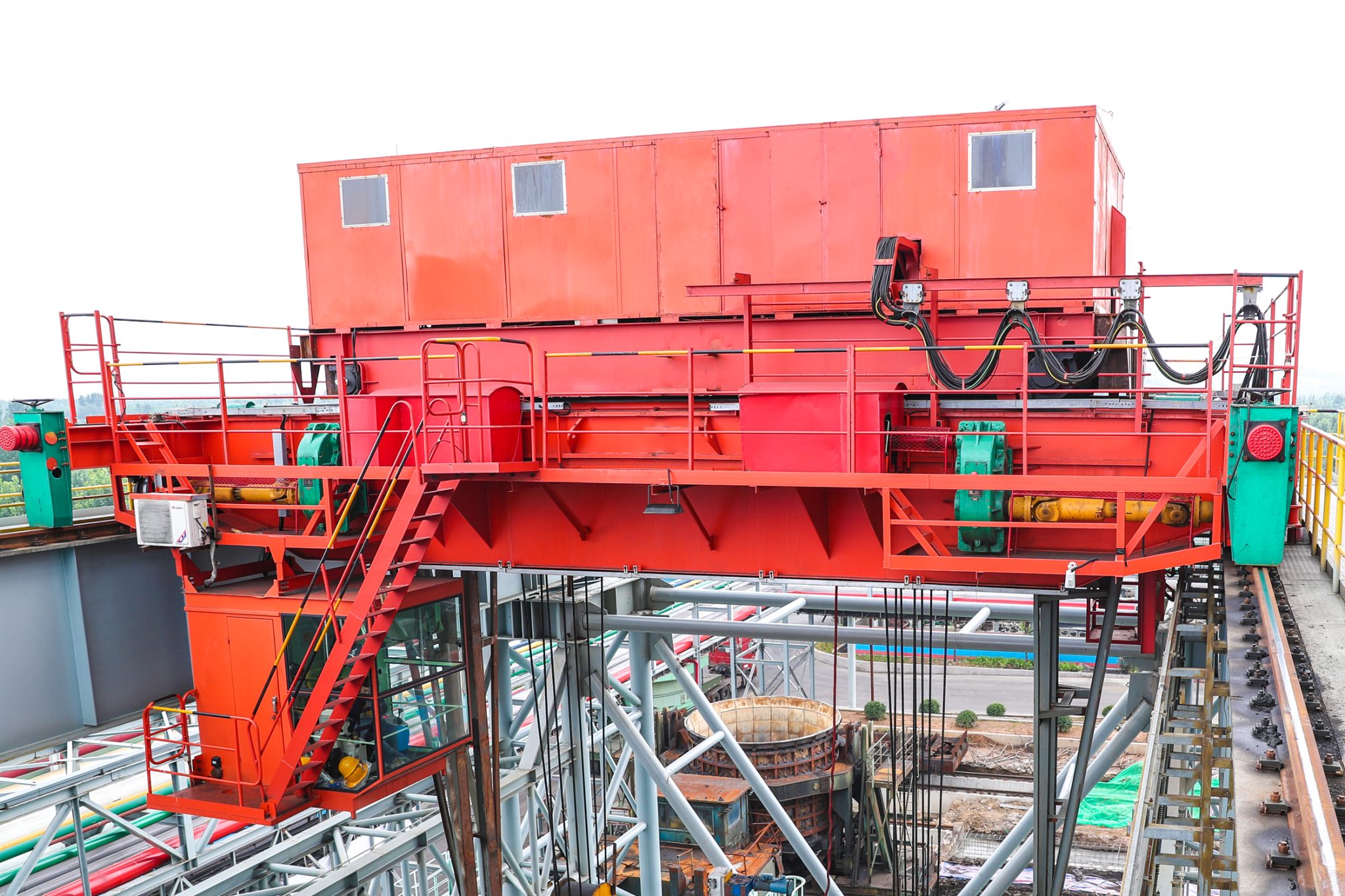
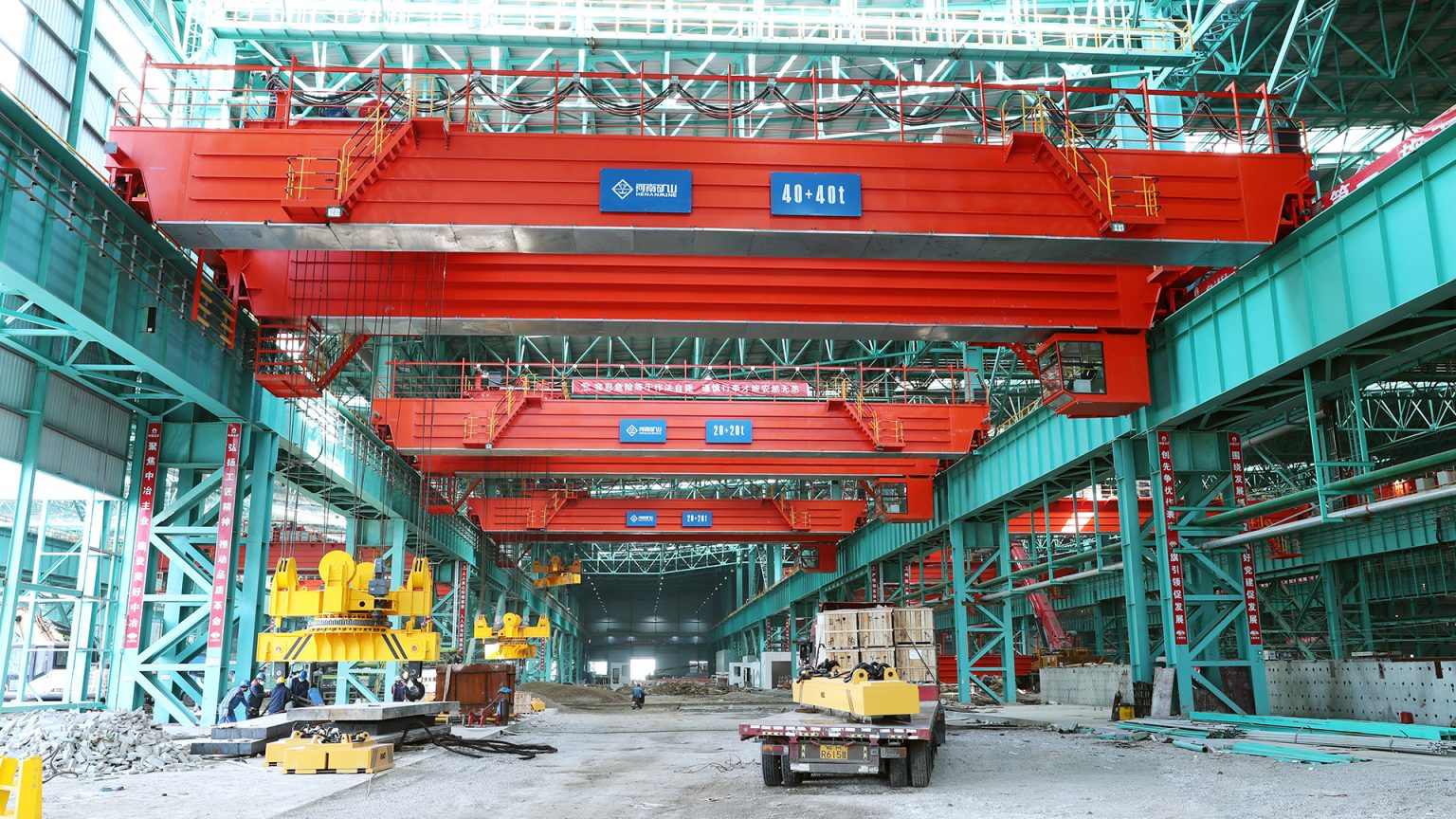
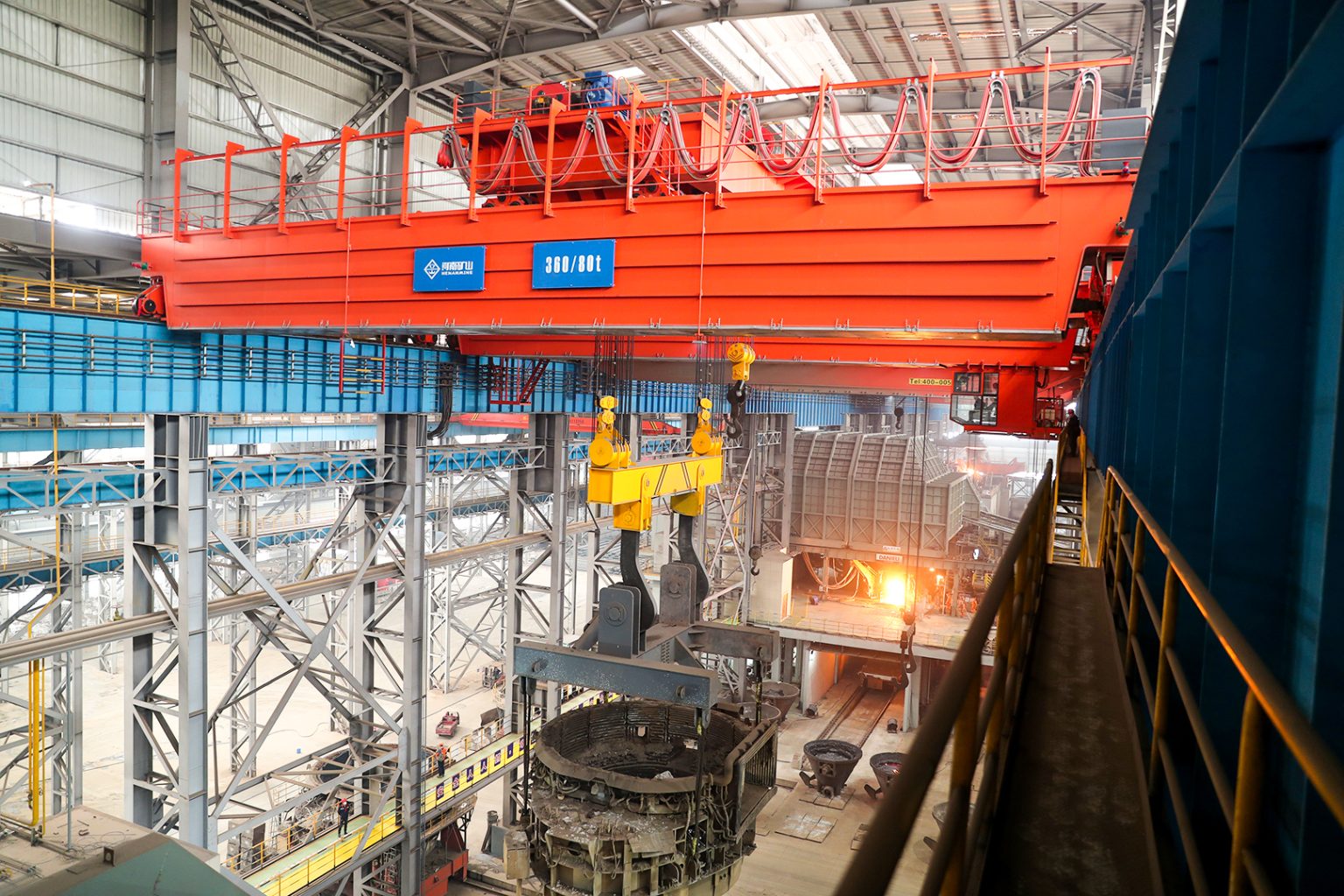
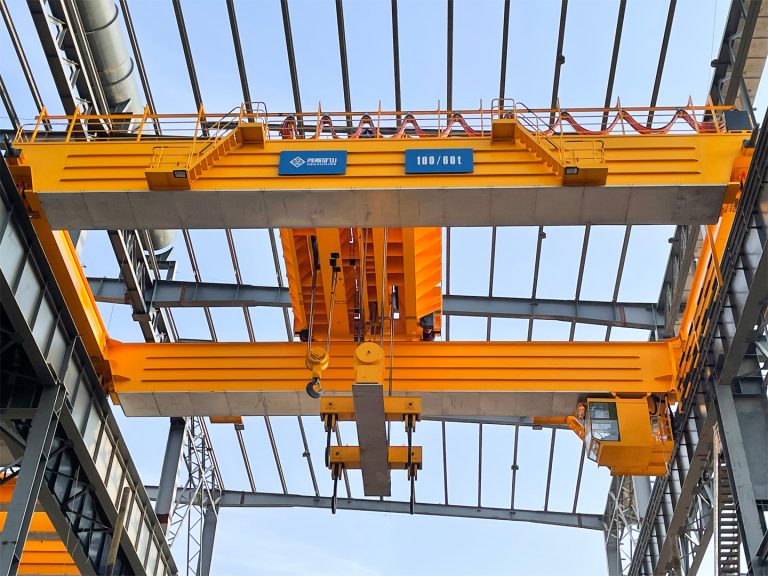
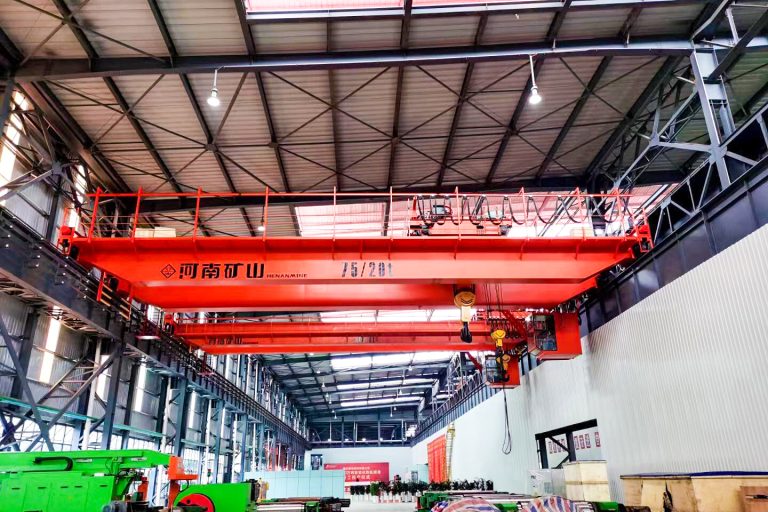
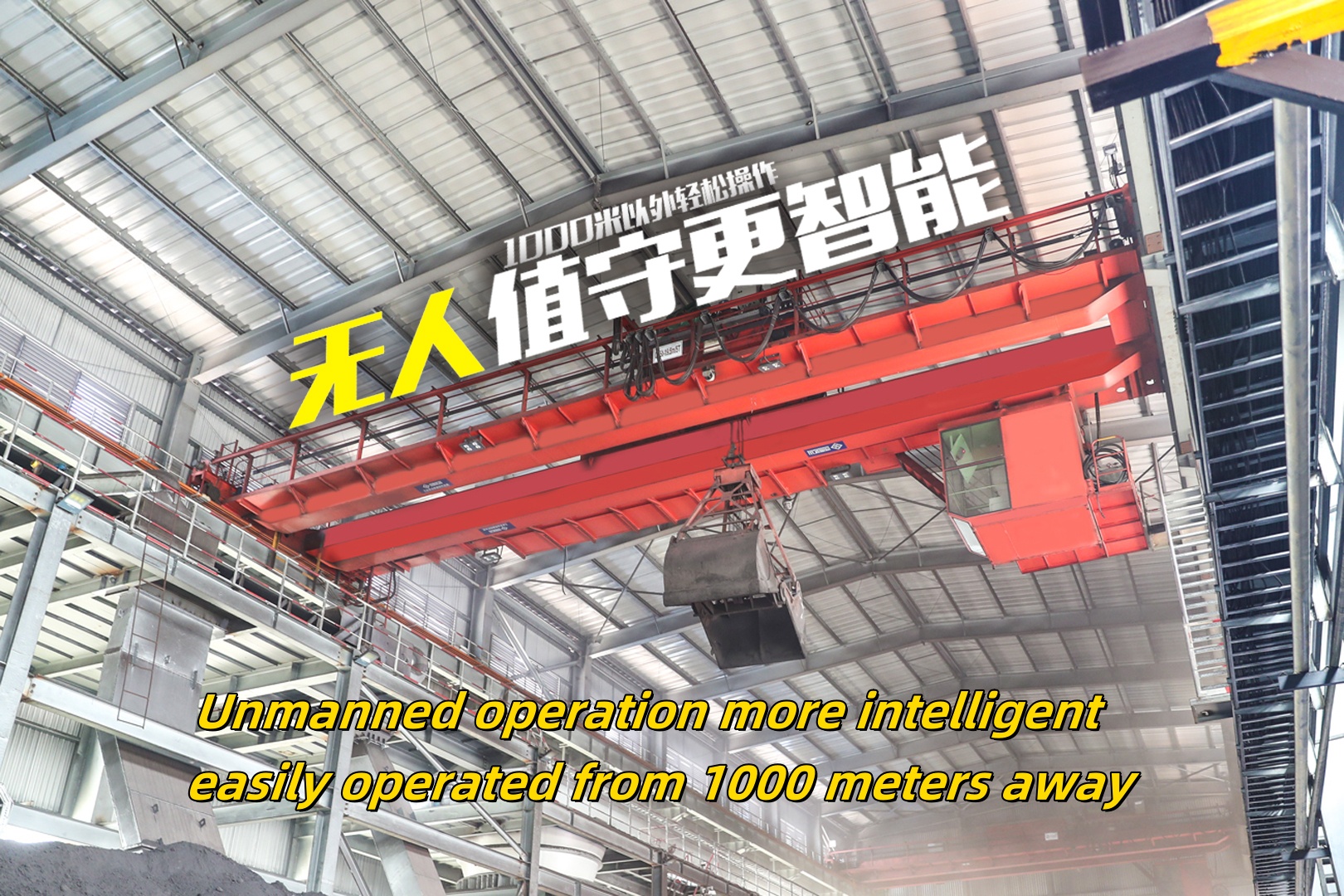
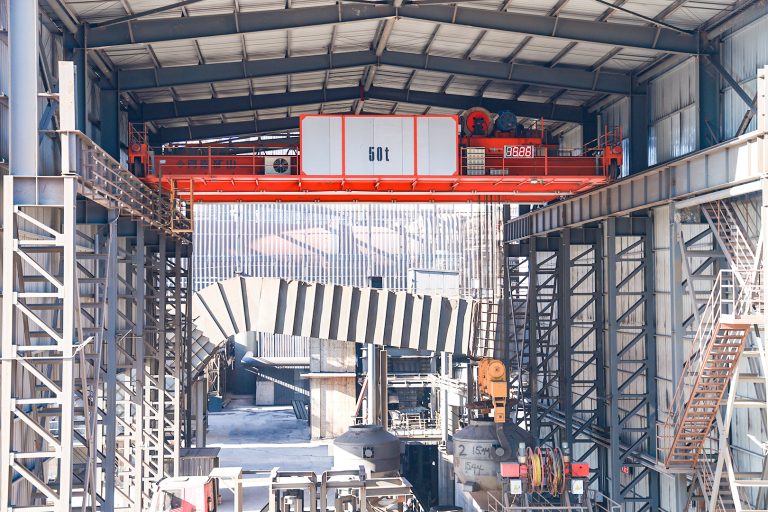
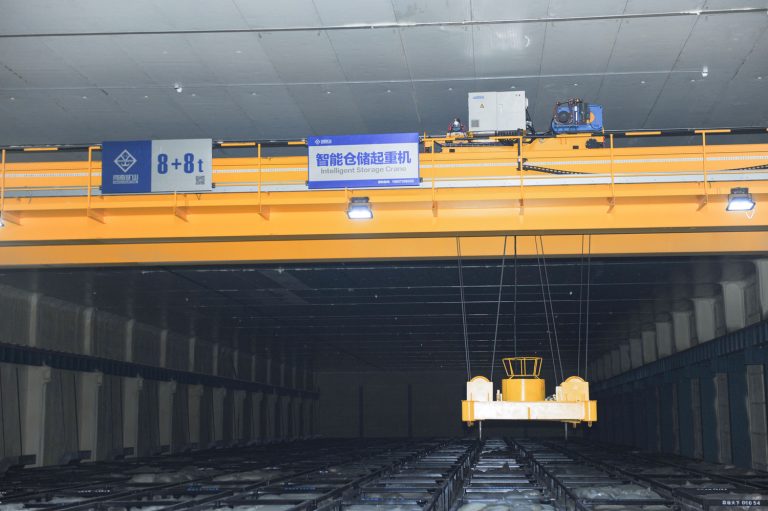
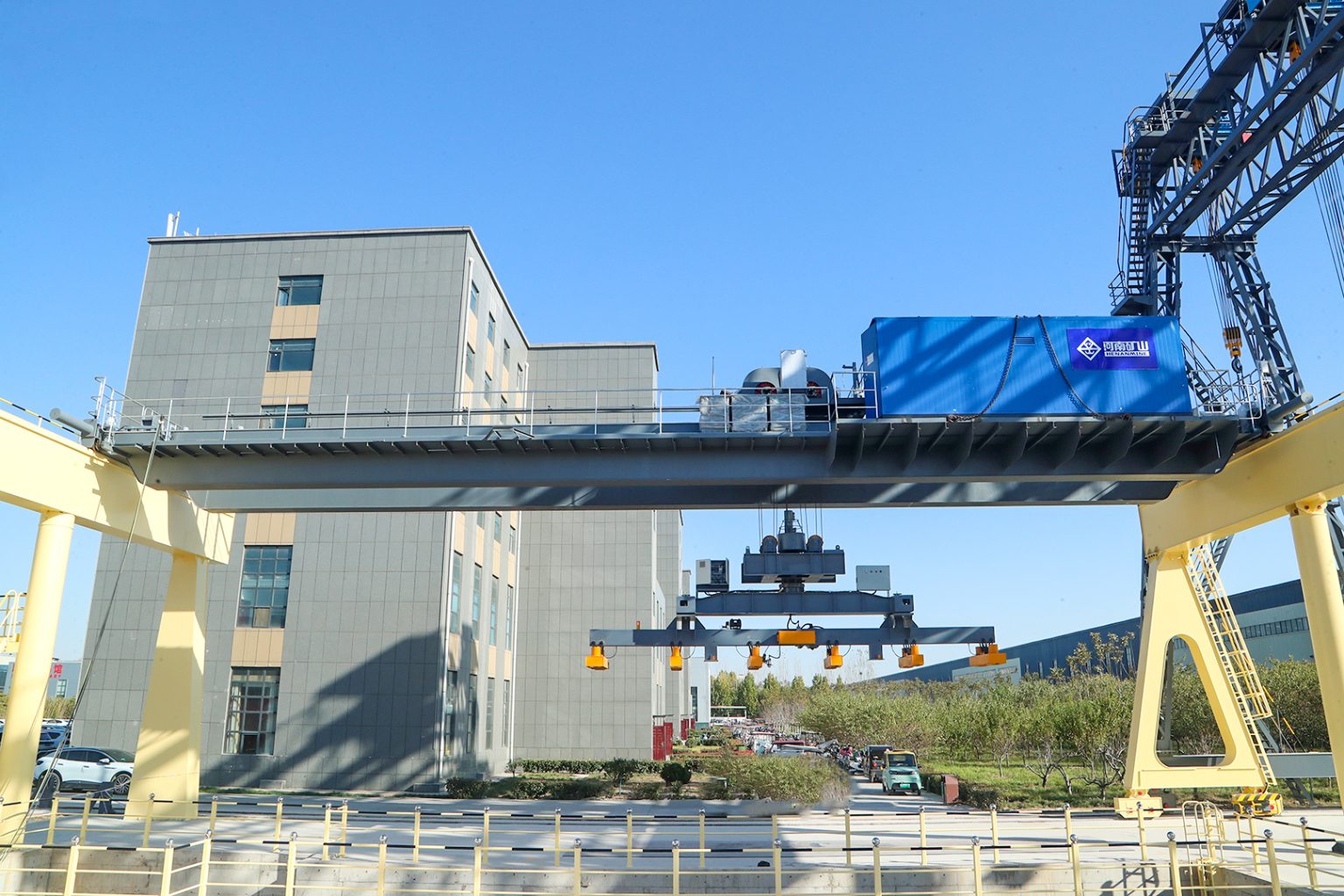
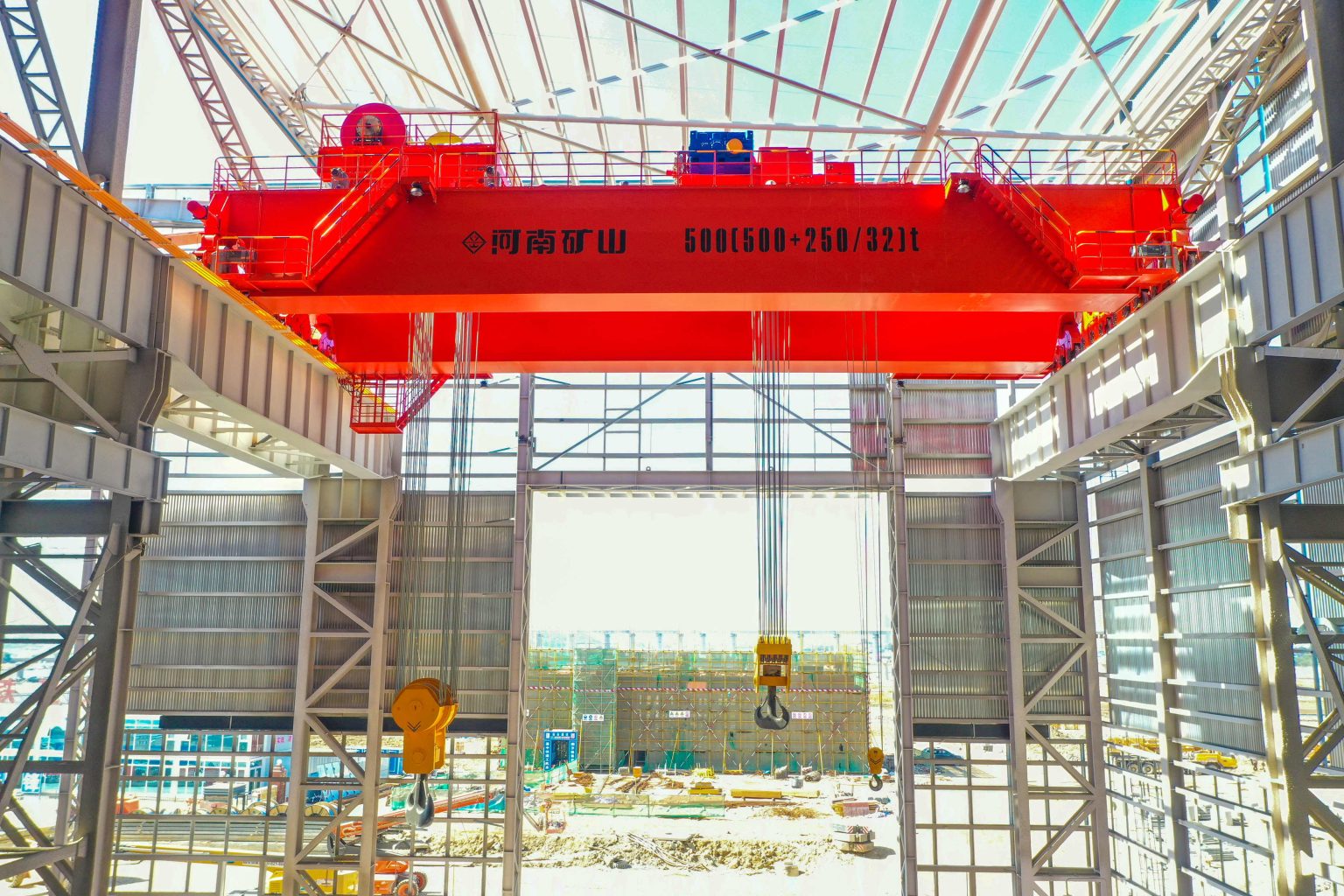
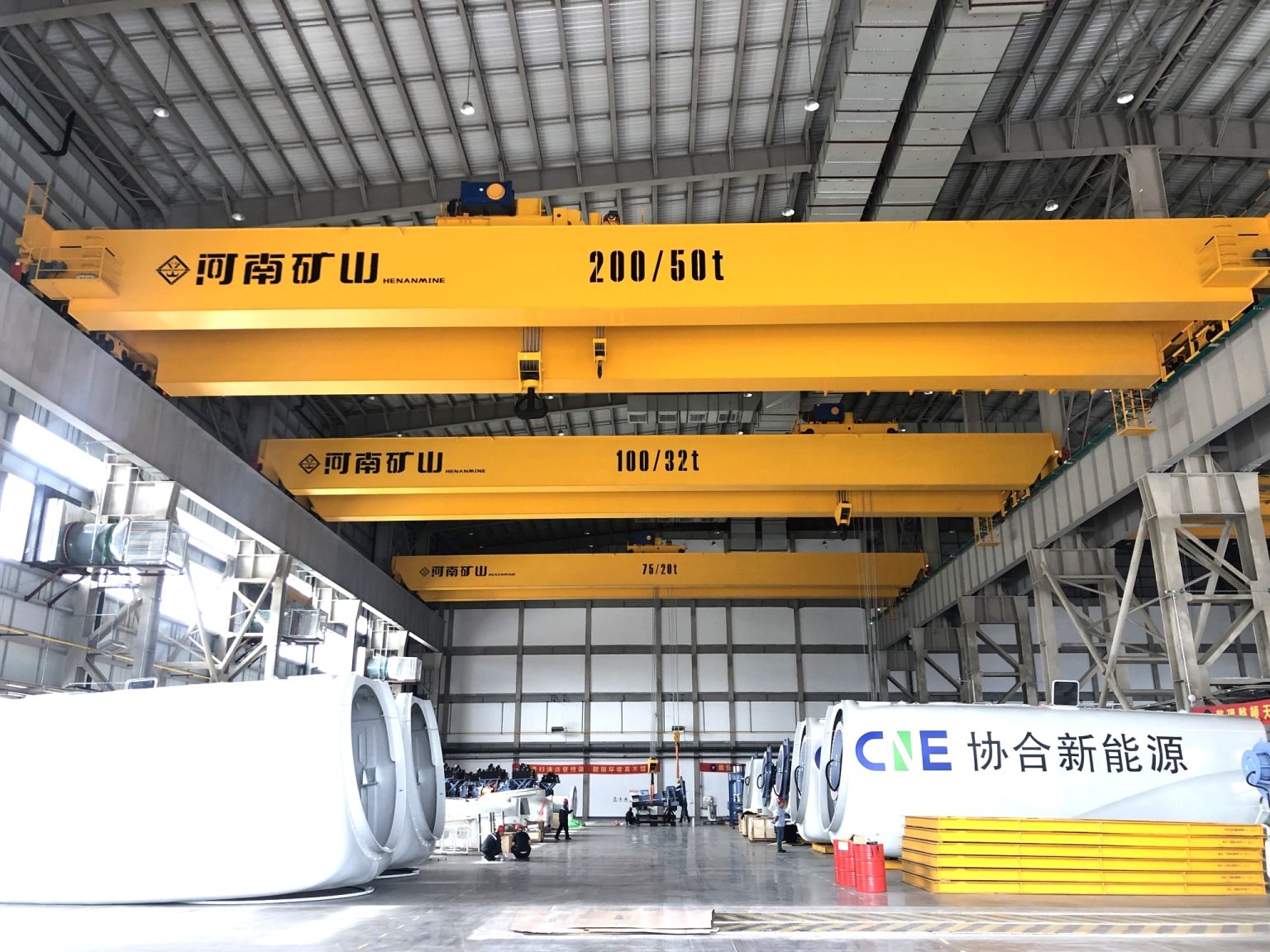
Overhead crane is a fixed and specialized lifting equipment in Kuwait oil and gas refineries, production workshops, and installation plants. Relying on the solid rail erection structure, it has the advantages of high operational precision, strong stability, stable load, and does not take up the ground maneuvering space, which is suitable for the normalized and repetitive lifting and loading operation scenarios in the plant.
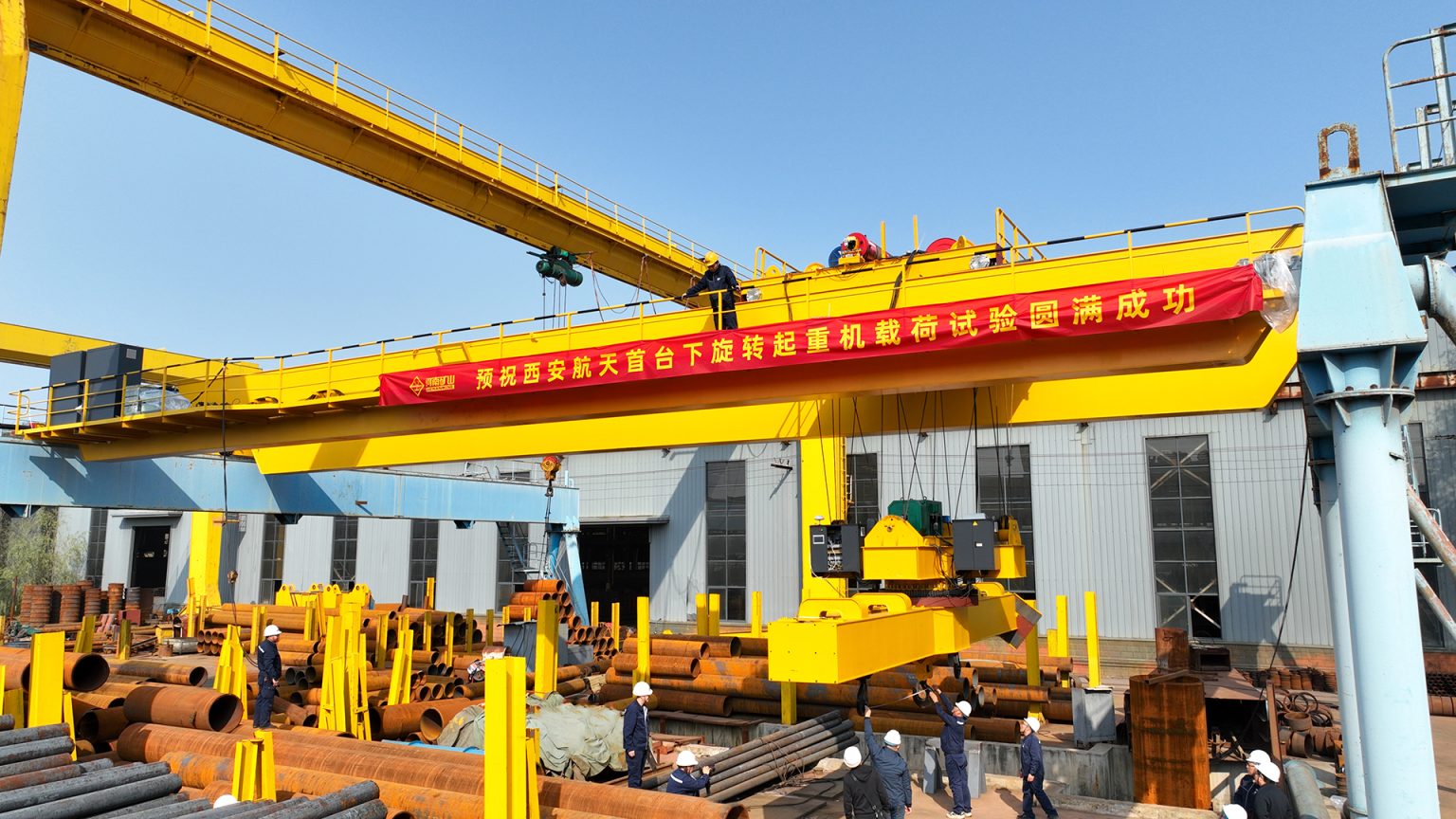
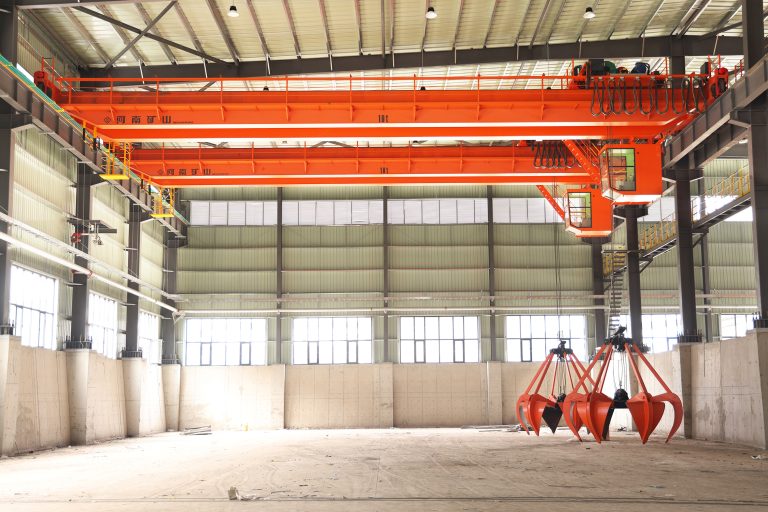
Among them, double girder overhead travelling crane with large load capacity and high operating precision is suitable for the installation, overhaul and replacement of core heavy equipment in the refining and chemical industry; single girder overhead travelling crane is lightweight and easy to maintain, and is mainly responsible for the daily maintenance work such as light equipment handling and parts replacement in the plant.
Coking and refining workshop belongs to the first-class explosion-proof area, there are flammable and explosive media, the overhead travelling crane must comply with ATEX, IECEx explosion-proof standards, adopt intrinsically safe explosion-proof structure, eliminate the hidden danger of sparks, and satisfy the local high-risk operation compliance and safety requirements.
Gantry Cranes
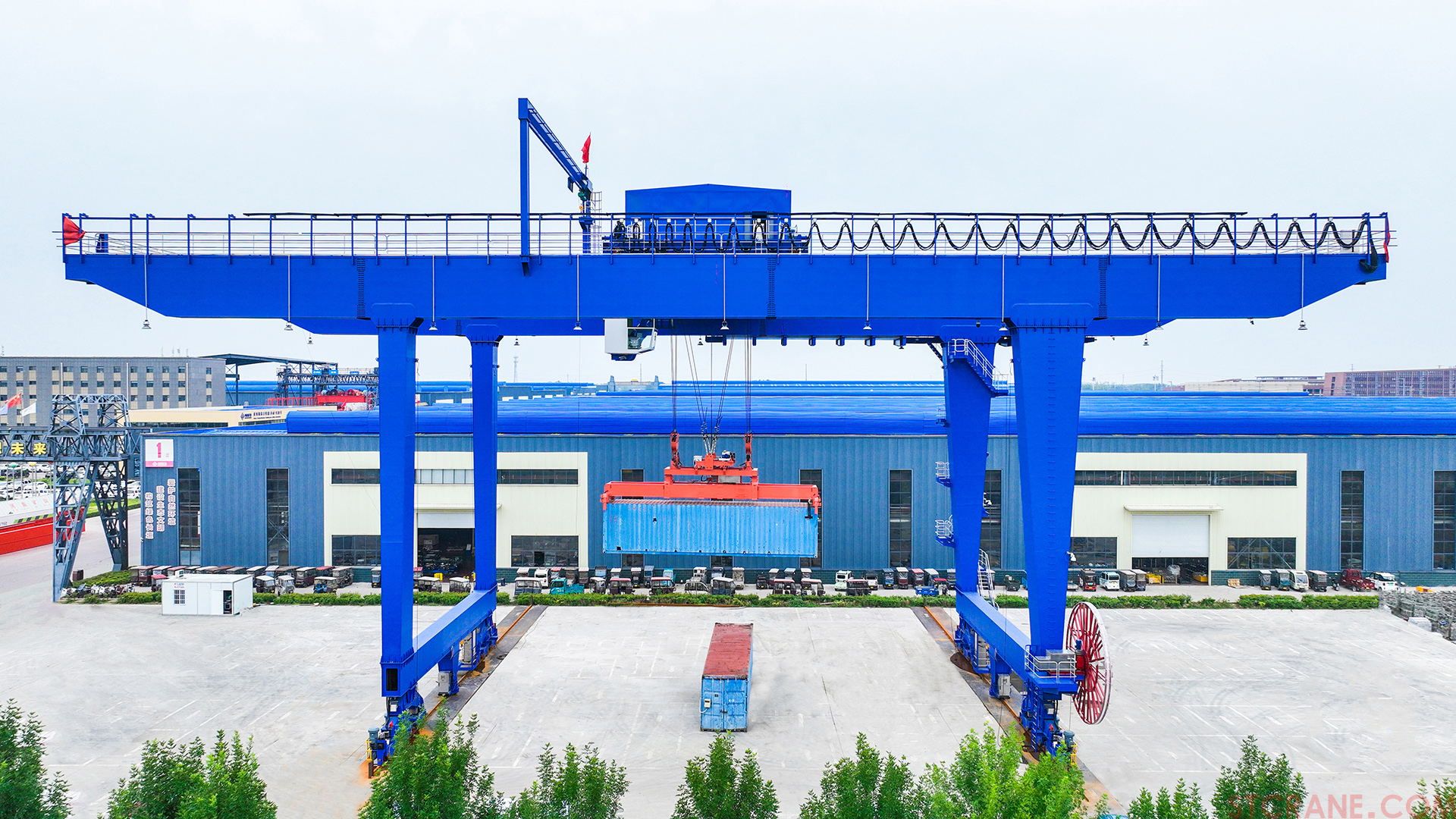
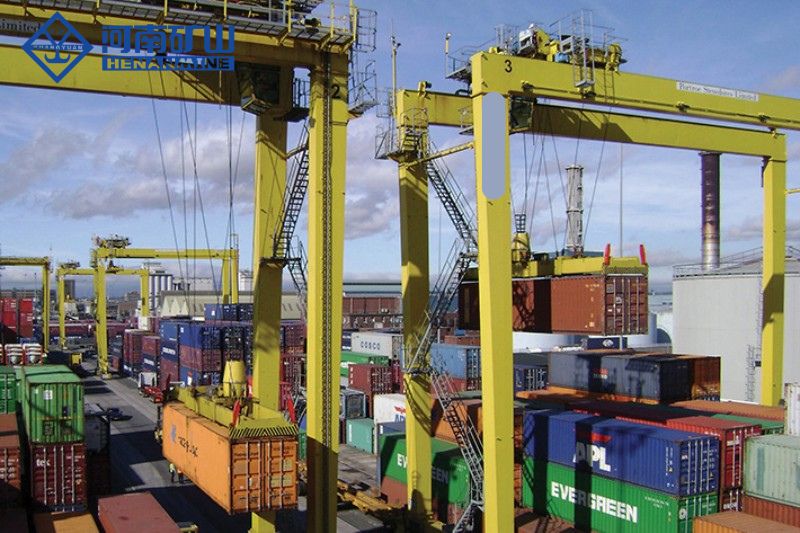
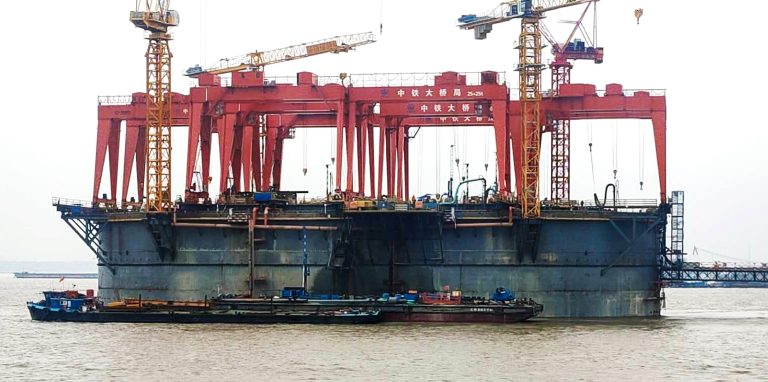
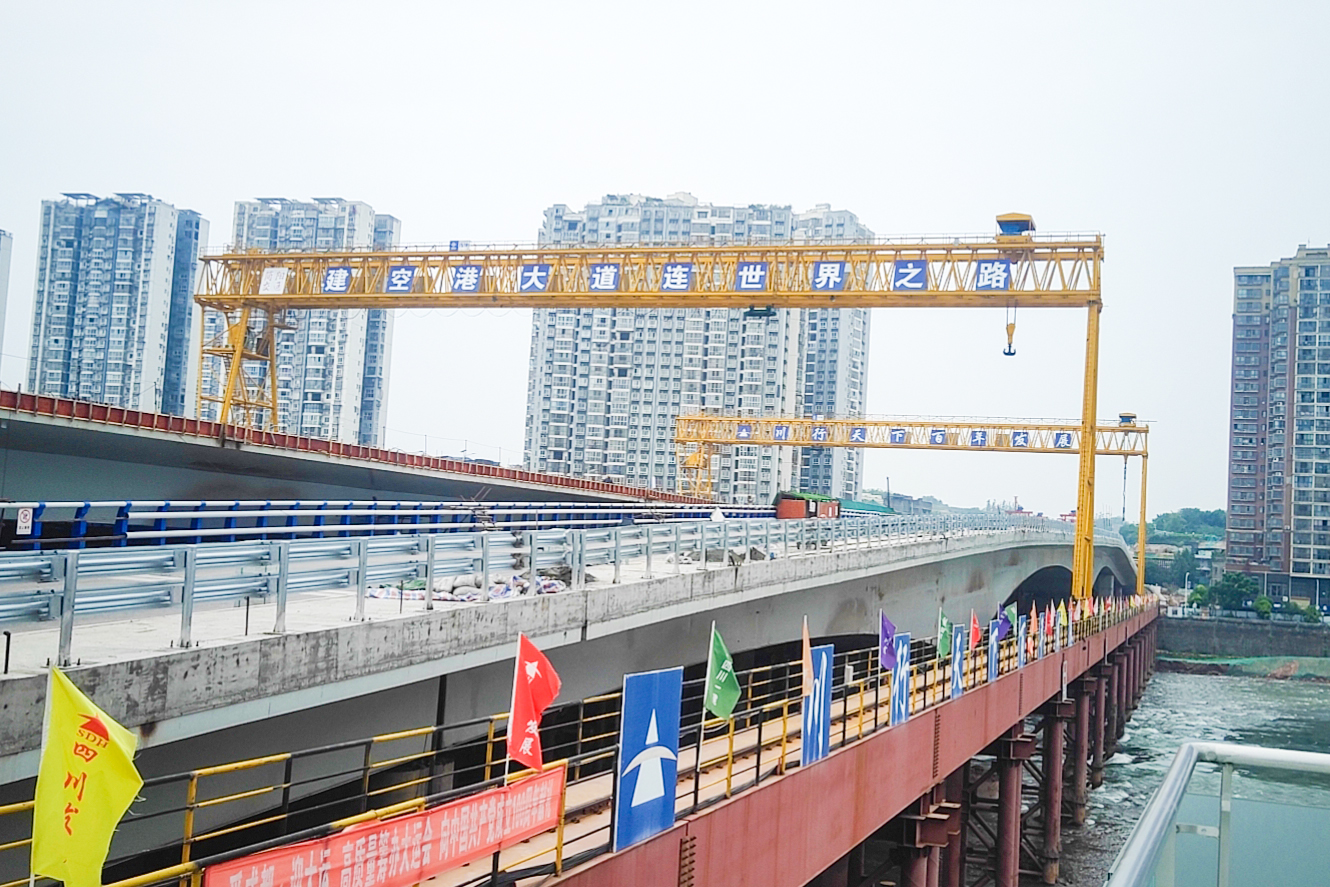
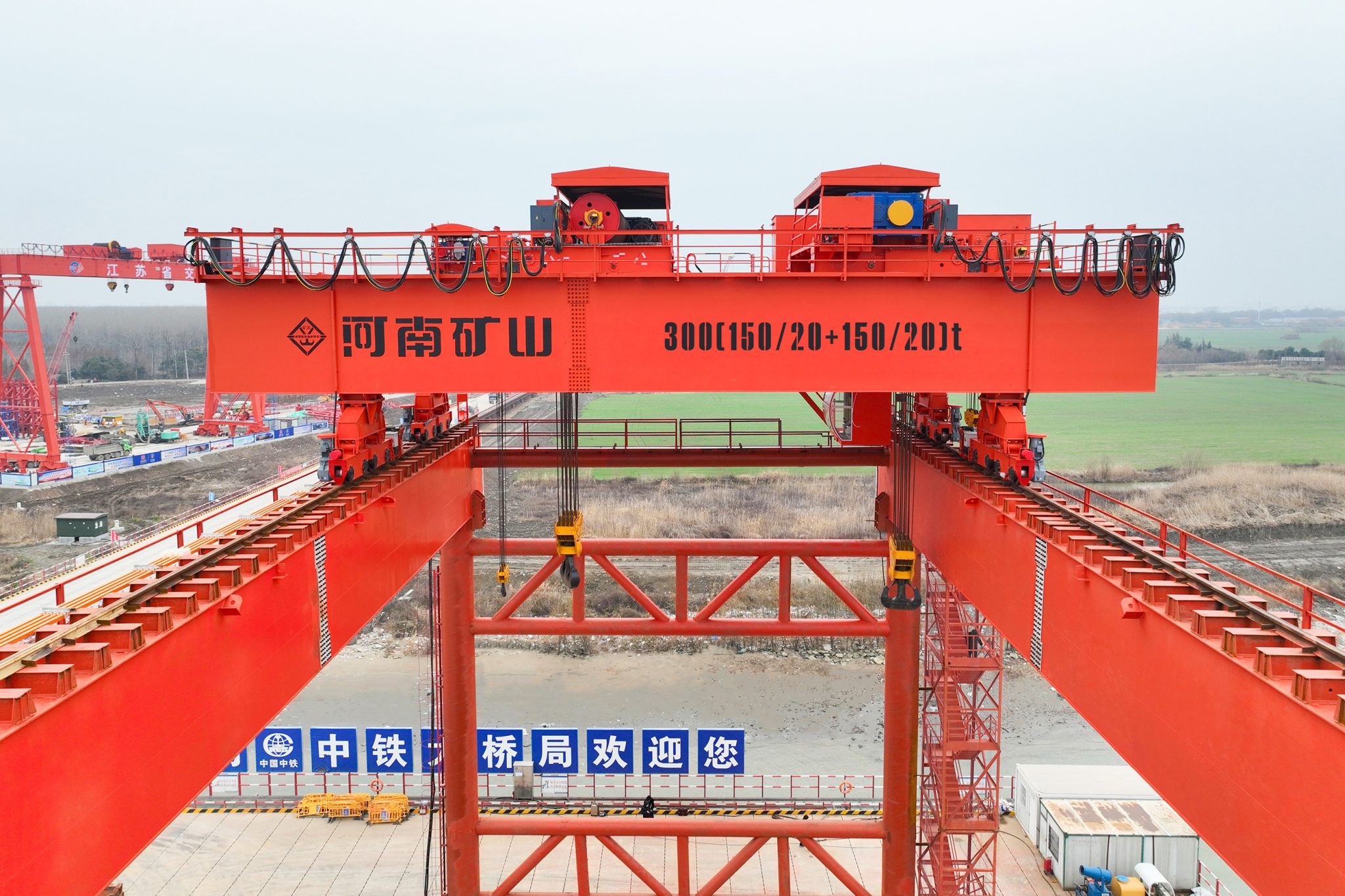
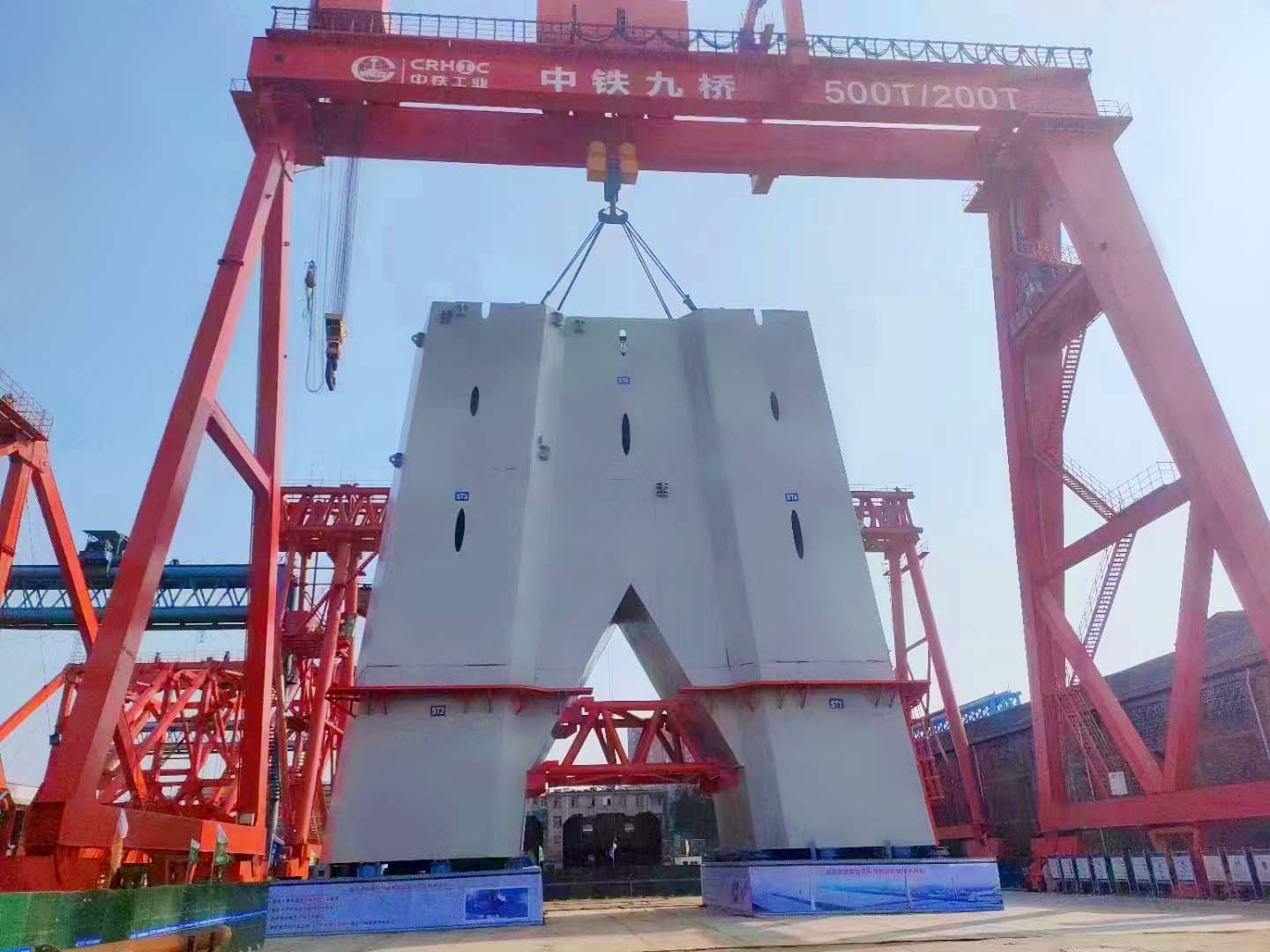
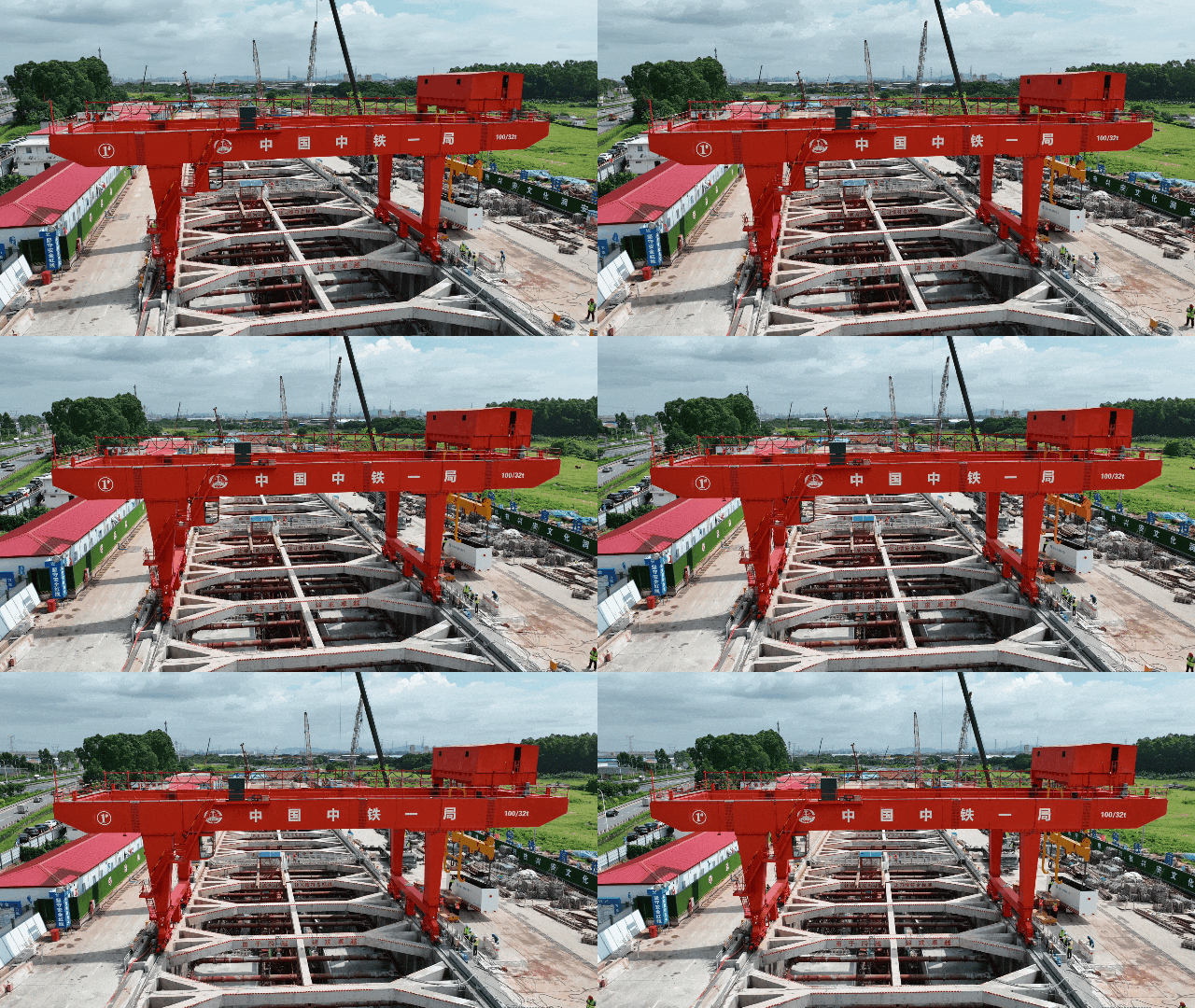
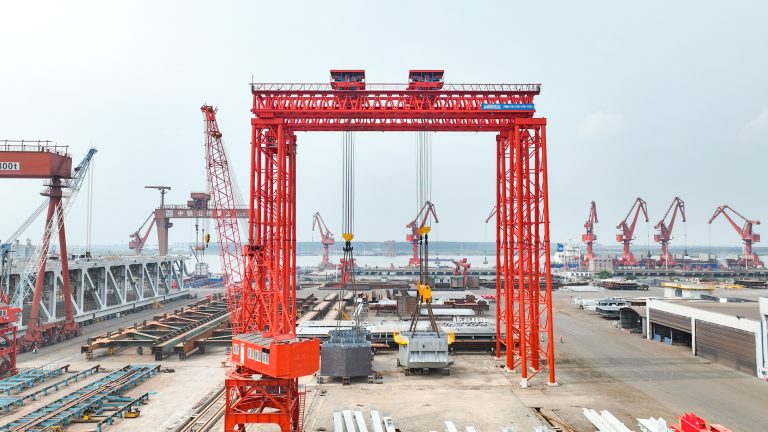
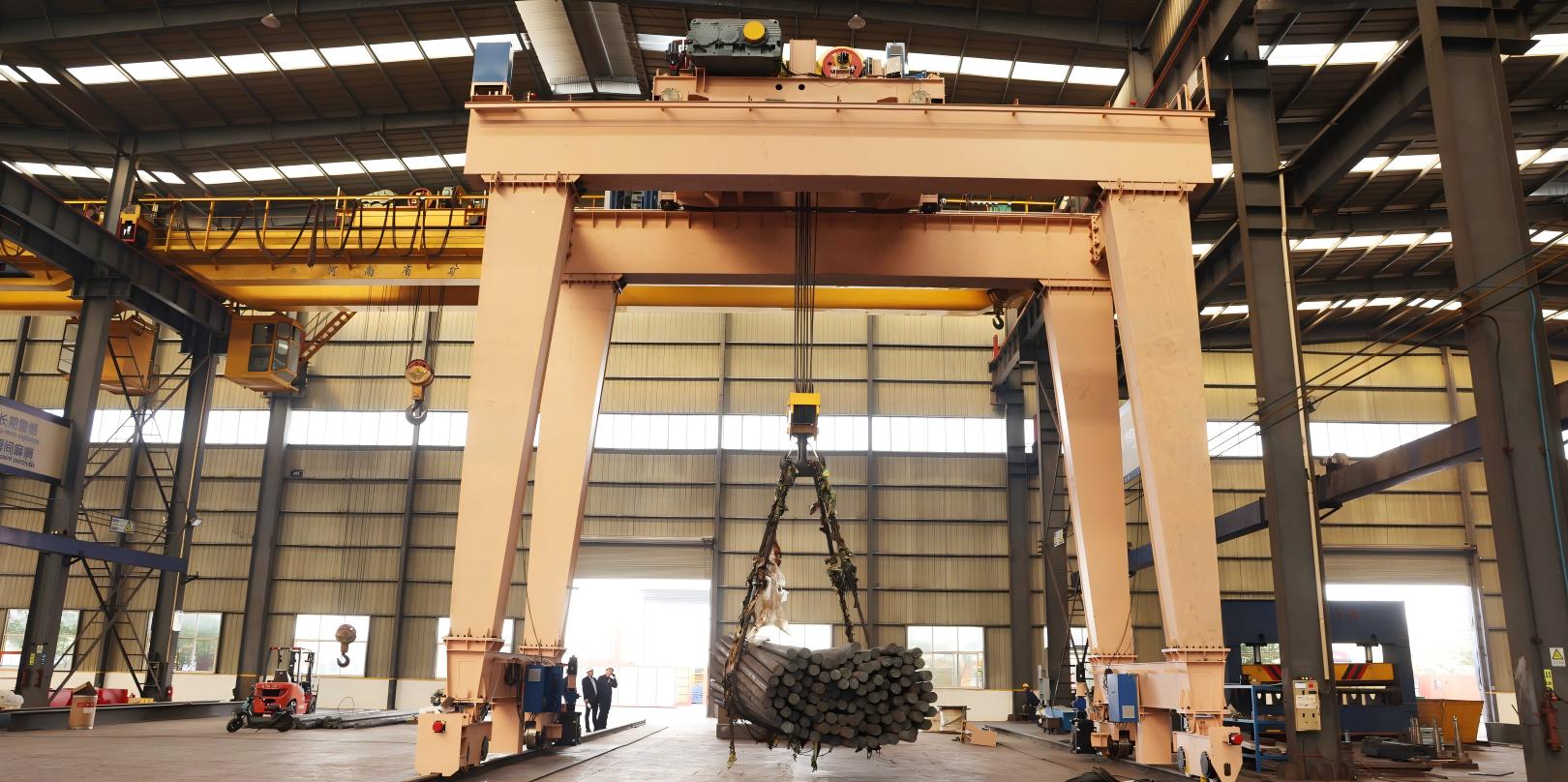
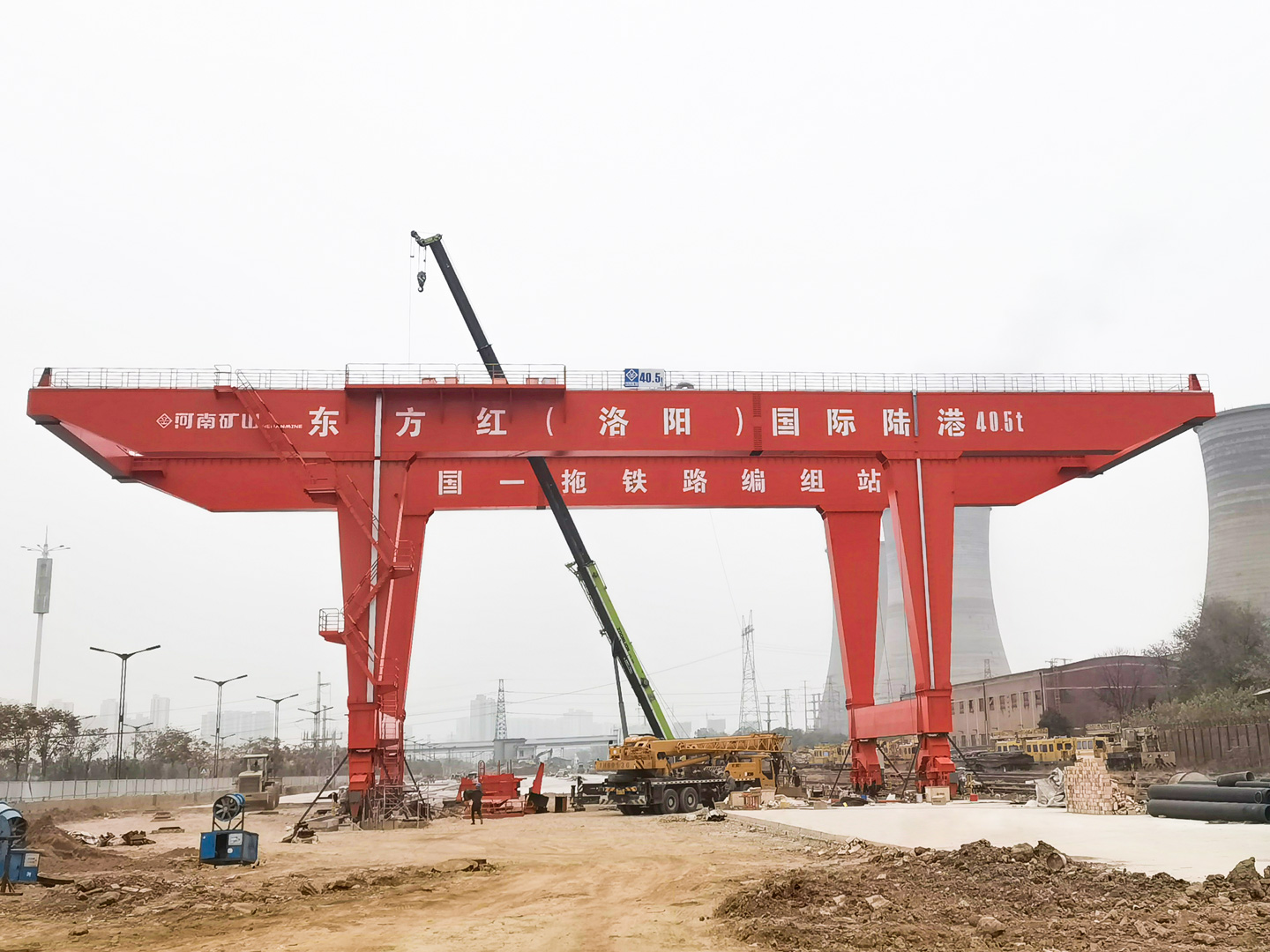
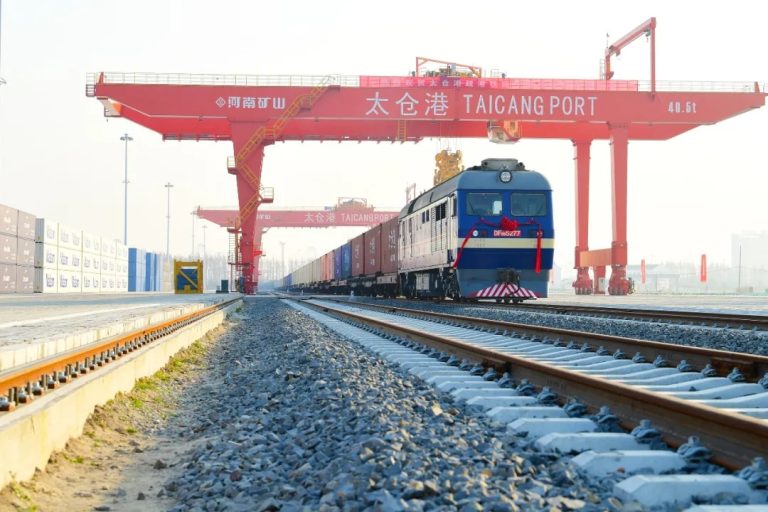
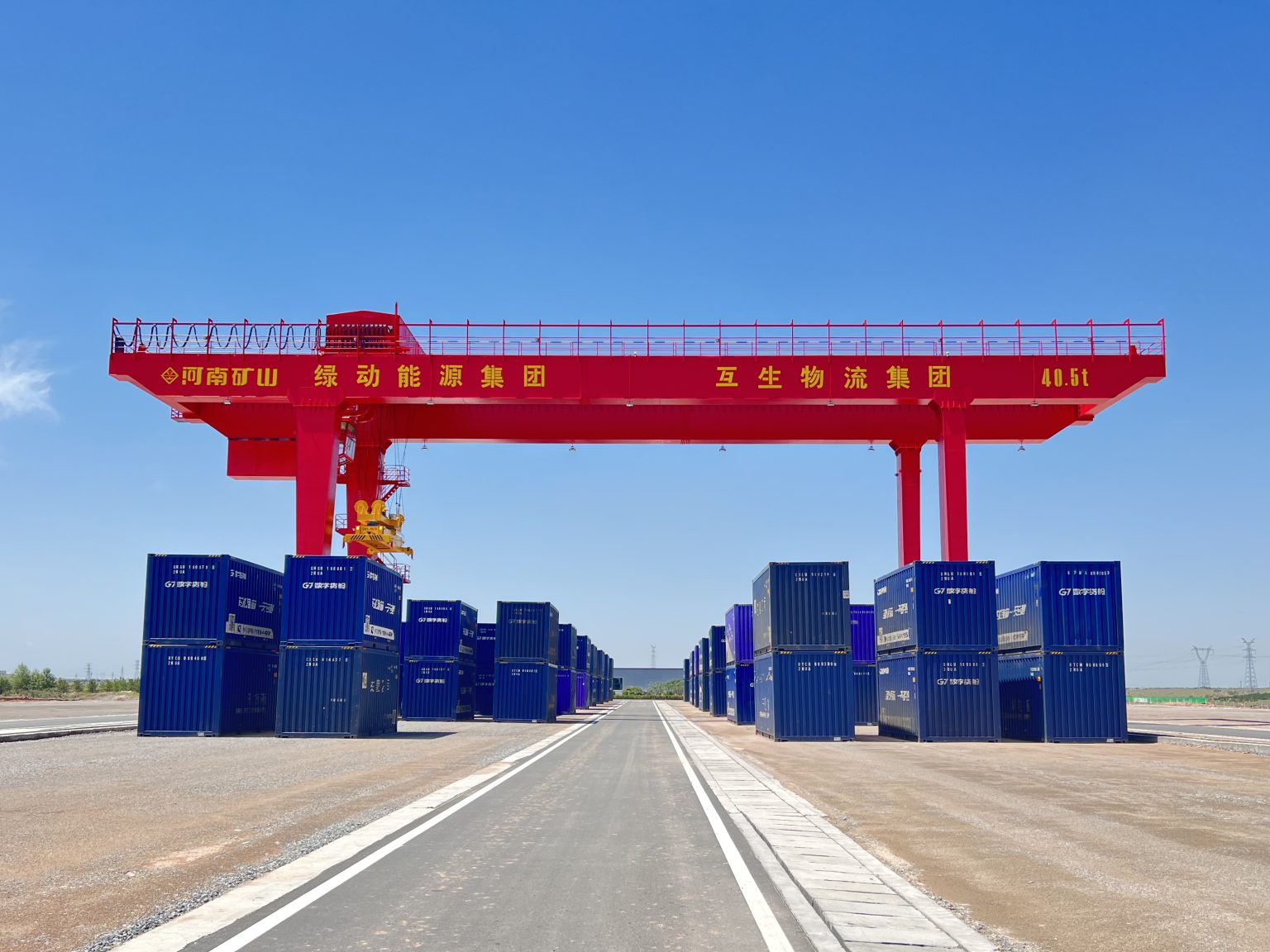
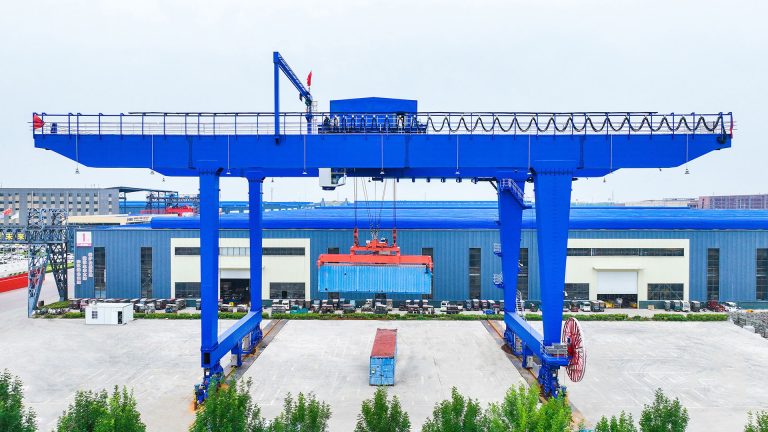
Gantry cranes are specially designed for open-air and uncovered operation scenarios, with solid structure, wide coverage and strong site adaptability. It is mainly used in outdoor prefabrication yards, storage areas and infrastructure sites of oil and gas projects in Kuwait, and can efficiently complete the transfer, lifting and hoisting of steel structures, equipment and pipeline modules.
Compared with other models, the gantry crane can be fixed for a long time to adapt to the open-air site operation, not limited by the indoor space of the plant, stable operating efficiency, and able to adapt to the needs of the desert open-air construction on a regular basis, which is the core of the Kuwaiti oil and gas project infrastructure, equipment storage and transportation, prefabricated components processing and installation of the commonly used models.
Tower Crane
Tower cranes have outstanding working height advantages and wide coverage, mainly applicable to large civil and structural engineering construction scenarios such as new oil and gas plants, refinery complex expansion, etc., and are suitable for installation of high-rise structures and large-scale equipment frames, and are particularly widely used in key projects such as new construction of Alzour refinery and plant expansion.
Safety Standards and Compliance Requirements
Kuwait oil and gas industry lifting safety standards are one of the most stringent systems in the Gulf region, with “zero accidents, zero injuries” as the core objective, combined with local regulations and top international industry standards, to achieve the full process of compliance control of equipment, personnel, operations and management.
Local Regulatory System
In addition to Ministerial Resolution No. 42 of 2023, all lifting operations must strictly comply with the Kuwaiti Labor Law, the Ministry of Public Works' equipment supervision regulations, the Environmental Protection Agency's environmental requirements, and at the same time, implement the HSSE management system of KPC and its subsidiaries, the lifting operation special procedures, and all contractors and equipment service providers must be included in the Party A's safety control system.
Adapted International Authoritative Standards
Kuwait oil and gas lifting operations are fully aligned with top international standards, the core of which includes ASME B30 series crane design and operation standards, API offshore lifting equipment specifications, ISO and IEC explosion-proof certification standards, OSHA safety practices, from the design of equipment, testing and maintenance, personnel operations, risk prevention and control of the whole dimension to achieve standardization.
Full Life Cycle Safety Control
We have established a safety management mechanism for the whole life cycle of the equipment, and must complete load testing and certification after the entry of new equipment and overhaul of equipment, and implement daily, monthly and annual inspection systems; implement color-coded management and regular scrapping and replacement of all spreaders and rigging; and implement a system of licensed personnel, regular assessment and continuous training to ensure that personnel capacity matches the needs of high-risk operations.
Special Control of High-risk Operations
For high-risk operations such as critical lifting, high-altitude lifting, lifting around pressurized equipment, and lifting in flammable and explosive areas, special approval, special guardianship, and full risk monitoring mechanisms are implemented. Establish a perfect closed-loop mechanism for accident reporting, investigation and rectification, and all minor hidden dangers, abnormal situations and irregular operations should be recorded and archived, so as to continuously optimize the safety management system.
Environmental and Site Challenges Affecting Crane Operations
Kuwait is located in the tropical desert climate, extreme weather, special terrain, high-risk plant environment to the lifting operation brings a lot of uncertainty and risk, must be targeted to formulate preventive and control measures in order to protect the safety of operations and stable operation of equipment.
Extreme Heat
Kuwait's extreme summer temperatures can reach more than 50 ℃, high-intensity sunshine will lead to crane hydraulic system aging leakage, motor equipment overheating failure, wire rope thermal expansion and deformation, and at the same time is very easy to cause heatstroke, loss of concentration and other safety issues.
Local regulations clearly stipulate that outdoor high-risk operations are prohibited from 11:00 to 15:00 in summer, while requiring equipment equipped with high-temperature-resistant hydraulic fluid, strengthened heat dissipation system, sealed and heat-insulated cabs, the entire monitoring of the wet bulb black bulb temperature, and the implementation of the personnel rotation system.
Dust and Dust Storm Disasters
The perennial Shamal monsoon is prone to sand and dust storms, causing obstruction to the field of view, and fine sand and dust will invade equipment gears, bearings, motors, and hydraulic systems, aggravating the wear and tear of the equipment, clogging the filter cartridges, and contaminating the lubricating oils, thus greatly increasing the probability of failures.
The solution is to adopt dustproof sealing design for the whole equipment, carry out regular cleaning and maintenance of the whole machine, stop lifting operation immediately in sandstorm weather, and do anticorrosion treatment for the equipment in time after rain.
High Wind Load
Strong desert winds are prone to cause load swing, jib deflection and instability, which in extreme cases can lead to crane overturning and other major safety accidents. Different models, different lifting loads are equipped with corresponding safe wind speed operating limits, the site must be configured with real-time wind speed monitoring instruments, dynamic control of wind conditions.
In case of gale warning and exceeding the wind limit conditions, it is necessary to stop work in time to avoid danger, and in the special lifting program to refine the wind prevention and control and emergency response measures, and prohibit illegal operation of excessive wind speed.
Complex Site Terrain
The desert site has soft soil and insufficient bearing capacity, old oilfield pipelines are dense, equipment layout is compact, there are a large number of construction sites left with oil pollution, poor hardening areas, and it is very easy to have the risk of outrigger settling and equipment tilting. Before operation, it is necessary to complete the geotechnical survey of the site, calculate the ground bearing capacity, lay special outrigger pads, and harden the operation area to avoid the risk of site destabilization.
Corrosive and High-risk Media Environment
Coastal oil and gas export terminals are subject to salt spray erosion all year round, while chemical corrosion, hydrogen sulfide toxic media and flammable and explosive gases are present in the refinery and oil and gas field scenes, which put forward strict requirements on the anti-corrosion and explosion-proof performance of lifting equipment. All incoming equipment needs to be coated with professional anti-corrosion protective coating, and equipment in high-risk explosion-proof areas must be intrinsically safe explosion-proof models to completely avoid safety risks from the source of the equipment.
Vision and Logistic Problems
Dust, foggy days and nighttime working conditions can significantly reduce the clarity of the operating field of vision, while remote oilfield sites are not easily accessible, there are many problems such as lagging emergency response, difficulty in equipment maintenance, and inconvenience in personnel resupply. The site needs to be equipped with adequate lighting facilities, build a standardized signal command system, improve the special emergency plan in advance, all-round protection of remote sites lifting operations in a safe and orderly manner.
Crane Inspection and Maintenance Requirements
In order to meet the harsh working conditions and strict compliance requirements in Kuwait, the local oil and gas industry has established a hierarchical inspection, preventive maintenance, full traceability of the equipment management system, and all processes are strictly in line with the KPC norms and ASME international standards, to prevent the equipment from working with disease.
Graded Inspection System
Four levels of normalized inspection mechanism:
- Daily pre-shift inspection: operators need to comprehensively check the equipment before starting work, verify equipment leakage, wire rope, brake and various types of safety protection devices, through visual inspection and functional test run, to confirm that the equipment is in perfect condition and can be safely operated.
- Periodic normalized inspection: Strictly implement the weekly and monthly normalized inspection system, appropriately increase the frequency of inspection for harsh operating environments such as sand, dust, high temperature, etc., and focus on checking the core stress components of the equipment, so as to investigate and eliminate potential safety hazards in advance.
- Annual third-party inspection: KPC certification body carries out comprehensive annual inspection, including dismantling inspection, non-destructive testing, load testing and other items, and issues official compliance inspection certificates to ensure the compliant operation of the equipment.
- Specialized testing and spreader management: equipment overhaul, accident disposal, transformation and upgrading are required to carry out special testing and acceptance before being put into use; spreaders and rigging carry out semi-annual periodic testing and color-coded update system, and are uniformly and compulsorily scrapped upon expiration.
Specialized Maintenance Mechanism
On the basis of the original maintenance specification, combined with the special desert working conditions of high temperature, sand and dust, and high corrosion in Kuwait, the company optimizes the preventive maintenance program, replaces the cartridges, lubricating oils, seals and other perishable consumables as scheduled, and focuses on strengthening the dust sealing and anticorrosive protection of the equipment as well as the maintenance of heat dissipation system.
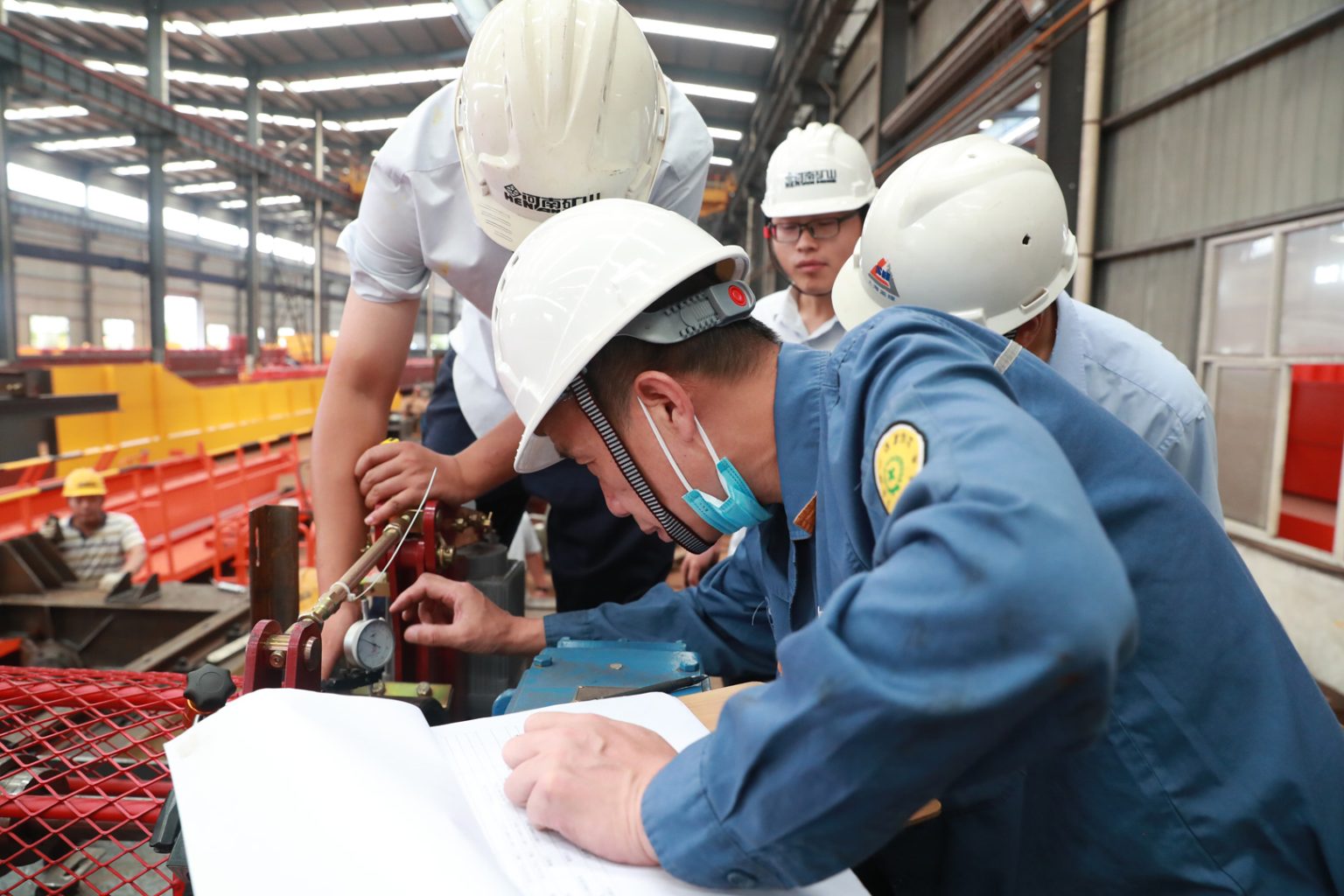
All maintenance operations must be carried out by professional technicians, and complete maintenance accounts are kept throughout the process to build a traceable full-cycle file of the equipment.
Defect Control and Compliance Archives
Equipment defects found immediately listed out of service, isolation and storage, rectification and re-inspection of qualified and certified before resumption of work. The site must retain a full set of information such as equipment inspection certificates, maintenance ledgers, load test reports, personnel qualification documents, etc., at any time to deal with the Party and the regulatory authorities to audit and verify.
At present, the industry generally adopts the Internet of Things equipment monitoring, information-based maintenance system to achieve real-time monitoring of equipment status and predictive maintenance.
Factors to Consider When Selecting a Crane Provider in Kuwait
Kuwait oil and gas project access threshold is extremely high, the crane service provider's qualifications, strength, experience directly determines the project compliance and safety, screening service providers need to focus on the consideration of ten core factors, giving priority to match the local oil and gas project exclusive needs.
Compliance Qualification and Safety Reputation
High-quality service providers, such as Henan Mining, must have the official access qualification of KPC, KOC, KNPC, and the whole series of equipments and operators are fully compliant with the local regulations of Kuwait and international standards such as ASME and IECEx;
Relying on the mature intelligent manufacturing system and strict quality control standards, the company maintains an excellent performance record of zero major safety accidents, and strictly implements the Party A's work stoppage authorization management system, so that it can professionally undertake lifting tasks in high-risk explosion-proof scenarios such as refining and chemical and oil and gas terminals, which is suitable for the high-standard safety control needs of Kuwaiti oil and gas projects.
Equipments and Working Condition Suitability
Need to be equipped with a complete range of lifting equipment, gradient perfect lifting equipment echelon, covering large-tonnage crawler cranes, all-ground car cranes, explosion-proof bridge cranes and other oil and gas project-specific models; the overall condition of the equipment is excellent, the age of the machine is new, and have been completed for the desert high temperature, sand and dust, corrosive conditions of the special adapted to the renovation, and at the same time, complete with a full set of lifting tackle, leg pads, and other ancillary materials, to meet the Kuwaiti lifting conditions of various types of oil and gas Requirements.
Local Oil and Gas Project Experience
Priority is given to service providers that are deeply engaged in the oil and gas field in Kuwait and have long-term experience in local projects. They are required to be familiar with the local regulatory system, the characteristics of site conditions and high-risk operations, and have mature service cases of landmark key projects such as the Alzour Refinery and Burgan Oil Field, so that they can accurately adapt to the operational standards and control requirements of local projects.
Team of Professionals
Our team of licensed lifting operators, cable conductors, and hoisting managers are well versed in local oil and gas hoisting scenarios, and have rich hands-on experience in Kuwaiti projects. The team regularly participates in KPC official certification training, with a stable team of personnel and skilled practical skills, which can efficiently adapt to the standardized control requirements of local high-risk lifting operations.
Maintenance and Protection Capability
Equipped with a mature localized maintenance team and sufficient original spare parts reserves, it can provide 24-hour emergency repair services around the clock. Relying on the intelligent digital monitoring system, it realizes real-time monitoring of equipment operation status and early warning of hidden dangers, which effectively guarantees high attendance and low failure of the equipment, and fully adapts to the high-intensity operation requirements of continuous project construction and uninterrupted maintenance of the plant.
Territorial Mobility and Protection Capability
With the integrated mobility deployment capability throughout Kuwait, it can complete the whole process of lifting equipment transfer, disassembling and commissioning across the region, and set up in the field, and can flexibly adapt to the characteristics of the local area spanning a wide range of operational scenarios, and the inconvenience of transportation in remote oilfields.
It can be adapted to the logistics transfer and construction deployment in complex and restricted working conditions such as coastal terminals and urban refineries. Relying on mature local transportation capacity and standardized approach process, the company can efficiently avoid the problems of scheduling and site adaptation, compress the approach cycle, ensure the rapid landing of the project, and meet the requirements of high-intensity continuous construction.
Transparent Business System
We have a standardized and transparent commercial quotation system, with clear and detailed billing standards, open and fair, and no invisible charges and surcharges. According to the project construction cycle, construction scenarios and operational needs, the company can flexibly adapt to short-term temporary leasing, medium- and long-term on-site support, all-inclusive project services and other diversified cooperation modes.
Meanwhile, the company is equipped with a perfect risk protection system, with a full range of insurance coverage, such as engineering insurance, equipment insurance and third-party liability insurance, together with a formal performance guarantee mechanism, which effectively avoids all kinds of project cooperation risks, such as business disputes, equipment damage, construction accidents, etc., and ensures that the whole cooperation process is compliant, stable, efficient and controllable.
Technical Value-added Services
We can provide one-stop value-added technical services such as customization of special lifting scheme, site bearing capacity calculation, operation risk study and judgment, and special technical support for critical heavy load lifting. Relying on the senior engineering team, we can accurately solve the difficult lifting problems in all kinds of complex working conditions and high-risk scenarios, and provide solid whole-process technical guarantee for standardized construction and safe operation of the project.
Brand Strength and Reputation
As a leading enterprise in the domestic lifting industry, Henan Mining has been plowing into the field of global engineering lifting services for many years, and has won a number of national quality and credibility awards, and has accumulated an excellent reputation in the industry and the performance evaluation of the A-party at home and abroad by virtue of the stringent quality control system, stable delivery capacity and high-quality on-site services.
With a sound financial system and strong operational strength, the company has been recognized as a high-quality cooperative supplier officially certified by the Kuwait Petroleum Corporation for its excellent comprehensive strength and compliance service capability.
Green Compliance Operation Capability
Henan Mine Grane's lifting equipment is energy-saving and environmentally friendly, the dust control at the construction site is standardized and regulated, and the low-carbon operation mode deeply fits Kuwait's long-term development strategy of green transformation and low-carbon upgrading of the oil and gas industry, and it can fully satisfy the compliance standards of green construction and environmental protection requirements of overseas high-end projects.
Conclusion
Kuwait oil and gas lifting operation is a specialized system project that integrates local regulations, international standards, extreme working conditions and high-risk risk control, with compliance, safety and working conditions as the core bottom line, throughout the whole process of equipment, personnel, operation, maintenance and service providers, and with stringent standards in all aspects.
Henan Mine Grane has ploughed into the Middle East oil and gas lifting market for many years, and accurately understands Kuwait's KPC control system and international industry norms, and relies on the whole chain standardized service system to perfectly meet the core requirements of local operations in high-risk, complex and extreme working conditions.