
How to Choose the Right Lifting Capacity for a Bridge Crane?
Selection of overhead cranes is not simply a matter of matching the maximum weight of the load, but a systematic process that combines load parameters, frequency of operation, plant conditions, safety regulations and long-term capacity planning. Accurate selection is the key to ensuring safe lifting operations, improving productivity, complying with annual inspections, and reducing equipment life cycle costs.
Based on OSHA, ASME, CMAA and other international lifting standards, this article explains the definition of bridge crane tonnage, selection points, safety margins, calculation methods and industry adaptation programs, to help enterprise personnel choose the right equipment for the site conditions.
What Is Bridge Crane Lifting Capacity?
Overhead crane capacity, also often called rated lifting capacity, safe working load (SWL), refers to the crane in the standard normal operating conditions, the maximum safe lifting weight through the engineering design and qualification certification, is the most core performance parameters of the crane.
This parameter is marked on the equipment nameplate and technical information, commonly used units for metric tons, short tons, etc.; its value is determined by the main girder, hoisting system and other core structural design, strict compliance with OSHA, ASME industry standards.
The rated lifting capacity is the hard upper limit for safe operation of the equipment, and overloading is strictly prohibited. Overloading is easy to cause deformation of the main beam, structural damage, heavy falling and other major safety accidents, regular bridge cranes are equipped with overload protection devices, from the hardware to prevent the risk of overloading.
Key Factors to Consider When Choosing Bridge Crane Capacity
Want to accurately select the crane tonnage, can not only refer to the weight of the goods lifted at a single time, you need to integrate the plant conditions, operational needs, long-term development of more than ten core factors, matching the full range of equipment parameters, taking into account the safety, practicality and economy.
Maximum Load Weight
The basis for selection is to account for the total lifting weight, not just the weight of the material. The total load needs to include the weight of the goods, spreaders, slings, beams, clamps, suction cups and all other work equipment under the hook. At the same time, industry standards require that a 10%-25% safety margin be set aside to offset the dynamic impacts generated by lifting starts and stops, load shaking, and off-load lifting, and to avoid the risk of sudden load fluctuations.
Service Classification
The frequency of crane use and the intensity of operation directly determine the effective load carrying capacity. The Crane Manufacturers Association of America (CMAA) divides the equipment operation level into six grades from A to F. The A grade is for standby intermittent operation, and the A grade is for standby intermittent operation:
Class A is a standby intermittent operation, Class F is a continuous heavy-duty high-intensity operation. Long-term high-frequency, full-load operation conditions, must be matched with higher specifications of the equipment design, even if the maximum weight of the goods is fixed, but also need to raise the rated tonnage, to protect the service life of the equipment and operational stability.
Track Span
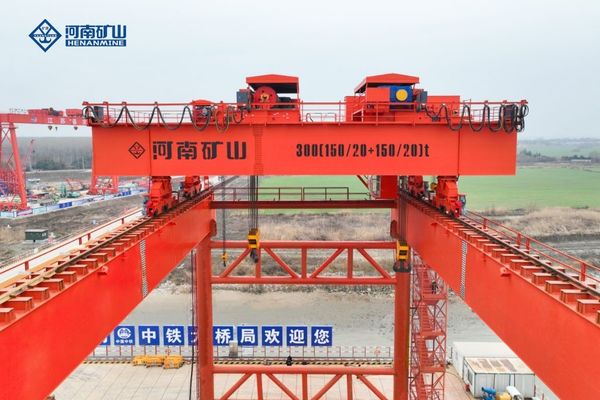
Span refers to the center distance between the two sides of the running track, which is the key index affecting the force of the main beam. Under the same tonnage, the larger the span, the higher the bending stress and deformation load of the main beam, and the effective bearing performance of the equipment will be reduced. Large-span workshops usually need to use double girder overhead travelling crane or directly lift the rated tonnage of the equipment in order to meet the requirements of safe operation.
Lifting Height and Plant Headroom
The effective lifting height of the workshop and the top headroom size directly constrain the hoist selection and the whole machine structure program. Low plants need to match the low headroom with a special hoist, if the site headroom is not enough, the payload performance of conventional lifting equipment will be greatly limited, need to adapt to adjust the tonnage and structure of the equipment to meet the site installation and operational requirements.
Operation Speed and Positioning Accuracy
For the need for rapid lifting, accurate alignment of the production line conditions, the crane lifting, trolley, trolley running faster, the dynamic inertia is greater, the machine structural strength and load performance requirements are higher. High-speed, high-precision operation scenarios, the need to match a higher margin of the tonnage configuration, to avoid fatigue damage caused by long-term dynamic load equipment.
On-site Operating Environment
Indoor and outdoor work, high and low temperature extreme environment, humidity, corrosion, dust, explosion-proof factory and other working conditions, will affect the crane material performance and load stability. Outdoor equipment to withstand wind loads, corrosive environment will accelerate the aging of components, this type of scenario equipment need to do anticorrosion, explosion-proof transformation, some working conditions also need to be appropriate downward adjustment of the rated load utilization, selection of models need to reserve sufficient tonnage margin.
Load Characteristics and Lifting Methods
In the face of eccentric lifting, center of gravity shift, load shaking, fragile, high temperature and other special working conditions, lifting operations will produce additional torque and dynamic stress, significantly increasing the operational risk. At the same time, all kinds of special spreaders and tools will take up the rated load, further reducing the effective lifting capacity. Therefore, special load scenarios must be appropriate to increase the tonnage reserve to ensure operational safety and equipment stability.
Future Expansion and Growth
Equipment selection needs to be pre-judged in advance of the next 3-5 years of production capacity upgrades, goods weight increase, production line iteration and other development needs, reasonable reserve tonnage margin. Moderately enlarging the bearing reserve can effectively avoid the equipment overload and machine elimination and replacement problems caused by the later capacity enhancement, and significantly save the comprehensive costs brought by the secondary procurement, equipment transformation and production downtime, and realize the long-term equipment adaptation.
Building Structure and Runway Support
The total superimposed load of the crane's self-weight and rated operating load must be strictly controlled within the load-bearing limits of the plant columns, roof beams and rail support structure. If the bearing capacity of the civil structure of the plant does not meet the standard, even if the choice of large-tonnage cranes can not be put into operation, so the tonnage selection must be accurately matched with the site of the civil bearing conditions, collaborative calibration.
Safety, Standards, and Compliance
All overhead cranes must strictly follow OSHA, ASME, CMAA and domestic industry standards, and be equipped with core safety devices such as overload protection, travel limit and load detection. During the selection process, a margin for compliance testing should be reserved to ensure that the equipment successfully passes factory acceptance and annual inspection, and meets the requirements of normalized compliance operation.
Budget and Life Cycle Costs
Although large-tonnage cranes have higher upfront procurement investment, they have high structural strength, wear-resistant and fatigue-resistant, fewer failures under high-frequency and heavy-duty working conditions, lower operation and maintenance costs, and longer equipment life. Selection should not only focus on the initial cost, the need for comprehensive consideration of energy consumption, maintenance, downtime losses and other life cycle costs, comprehensive cost-effective.
Understanding Capacity Safety Margins
Many users tend to confuse the two core concepts: design safety factor and operational safety margin, which is one of the main reasons for tonnage selection errors.
- Design safety factor: the structural safety margin preset for the equipment factory, is a hard design guarantee. The safety coefficient of the whole machine is 3:1, the core components are 2:1-3:1, and the perishable parts such as wire ropes and spreaders are 4:1-5:1, which is used to offset the aging, impact and fluctuation of the working conditions of the equipment, and overloading is strictly prohibited.
- Distinction between test load and rated load: newly installed, remodeled or overhauled cranes are required to carry out 100%-125% rated load static load test, which is only used for acceptance verification of the structural strength and overall stability of the equipment, and the test load is not allowed to be used as the daily operating load.
- Practical safety margin specification: daily selection and operation, the industry's general safety guidelines: 10%-25% load margin reserved for routine conditions; high-frequency heavy-duty conditions, daily operating load does not exceed 75%-90% of the rated tonnage of the equipment, to maximize the avoidance of equipment fatigue damage and safety Risks.
How to Calculate the Required Bridge Crane Capacity
Professional tonnage calculations do not require complex formulas and follow standardized steps to accurately calculate the appropriate tonnage for most industrial plant conditions.
Identify the Maximum Load Weight
Accurately calculate the maximum net weight of the material to be lifted in a single operation in the workshop, and then fully add up the weight of all accessories such as spreaders, work tools, ropes, clamps, etc. under the hook, and then integrate them to arrive at the total basic load. Practical example: 8 tons of net material weight + 1 ton of complete set of spreader accessories, the final total base load is 9 tons.
Account for Load Characteristics
Comprehensively investigate the lifting conditions at the site, focusing on checking whether there are special operating scenarios such as center of gravity shift, eccentric lifting, load swaying, high temperature, fragile, etc. For non-routine loading conditions, additional safety margins are required to effectively offset the safety hazards caused by eccentric torque and dynamic impact loads, so as to build up a solid operational safety bottom line.
Operational Margin
On top of the calculated total base load, the industry standard safety margin of 10%-25% is superimposed. Taking 9-ton base load as an example, the calculated safe load range is 9.9-11.25 tons, and the actual selection needs to avoid the risk of critical load operation, give priority to 12-ton and above equipment, and adapt the industry's mainstream 10-ton and 15-ton standardized models to ensure sufficient operational redundancy.
Incorporate Duty Cycle
Combining the average daily lifting frequency, single operation duration, load utilization rate and other core indicators, the corresponding CMAA operation level is accurately determined. For the severe working conditions of high-frequency heavy load and continuous uninterrupted operation, even if the peak load value of the equipment is on the low side, it is still necessary to upgrade the equipment configuration and strengthen the structural strength and anti-fatigue performance of the whole machine, so as to ensure the long-term stability and low-fault operation of the equipment.
Evaluate Structural and Operational Factors
Comprehensive verification of the site track span, effective lifting height, equipment running speed, operating environment, plant load bearing and other key parameters, to comprehensively verify the suitability of the equipment. For large span, low headroom and heavy load conditions, the model can be flexibly optimized, such as replacing single girder models with double girder models and moderately increasing the rated tonnage, which can effectively make up for the performance degradation brought about by the limitation of working conditions.
Reserve Capacity for the Future
Combined with the enterprise's future capacity upgrading, goods weight increase, production line expansion, process iteration and other long-term development planning, scientific reserve tonnage margin. By reserving equipment redundancy in advance, you can effectively avoid the problems of insufficient equipment carrying capacity, elimination and replacement of the whole machine triggered by the later increase of production capacity, and significantly reduce the comprehensive cost of the second procurement of equipment and the downtime of the transformation.
Professional Calibration and Compliance Certification
Organize and summarize a full set of field conditions parameters, and submit them to professional crane manufacturers for special calibration. Manufacturer engineers through finite element mechanical analysis, load curve simulation, structural strength verification and other professional means to accurately match the optimal model and rated tonnage, and complete the standard load test and compliance qualification, to ensure that the equipment is fully adapted to the site conditions, in line with industry norms, and to achieve safe and compliant commissioning and operation.
Common Bridge Crane Capacity Ratings
Industry crane tonnage for the standardized gradient design, while the single girder, double girder models adaptable tonnage and the scene of significant differences, selection can be directly referred to the following common standards.
Conventional Tonnage Gradient
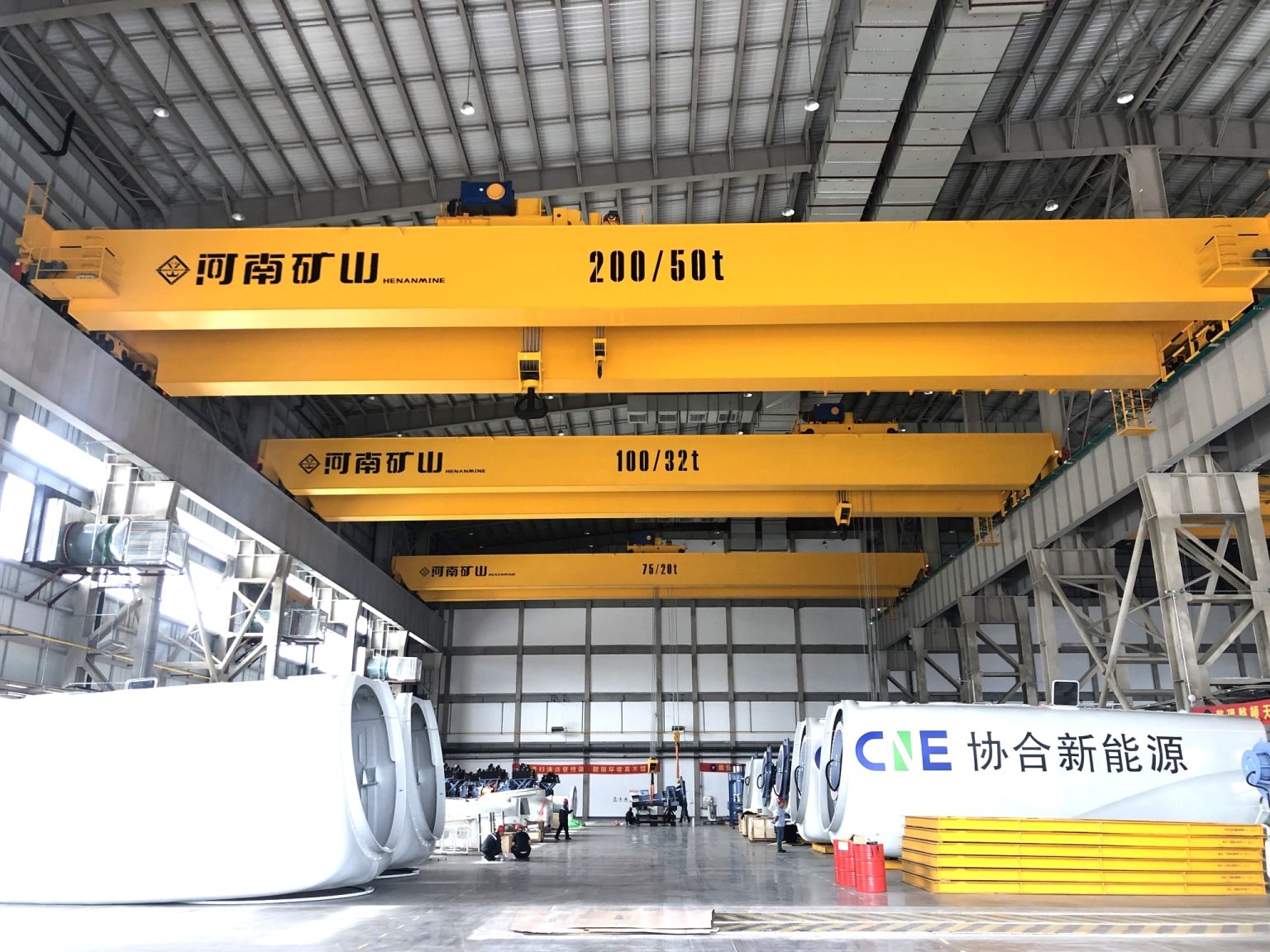
Overhead travelling crane has a standardized tonnage gradient, which routinely covers mainstream specifications such as 1 ton, 2 ton, 3 ton, 5 ton, 10 ton, 15 ton, 20 ton, 25 ton, 30 ton, 50 ton, 75 ton, etc. For oversized and heavy-duty working conditions, we can also provide 100-ton customized models, which are comprehensively adapted to all kinds of industrial scenarios.
Single Girder Overhead Cranes (Light to Medium Duty)
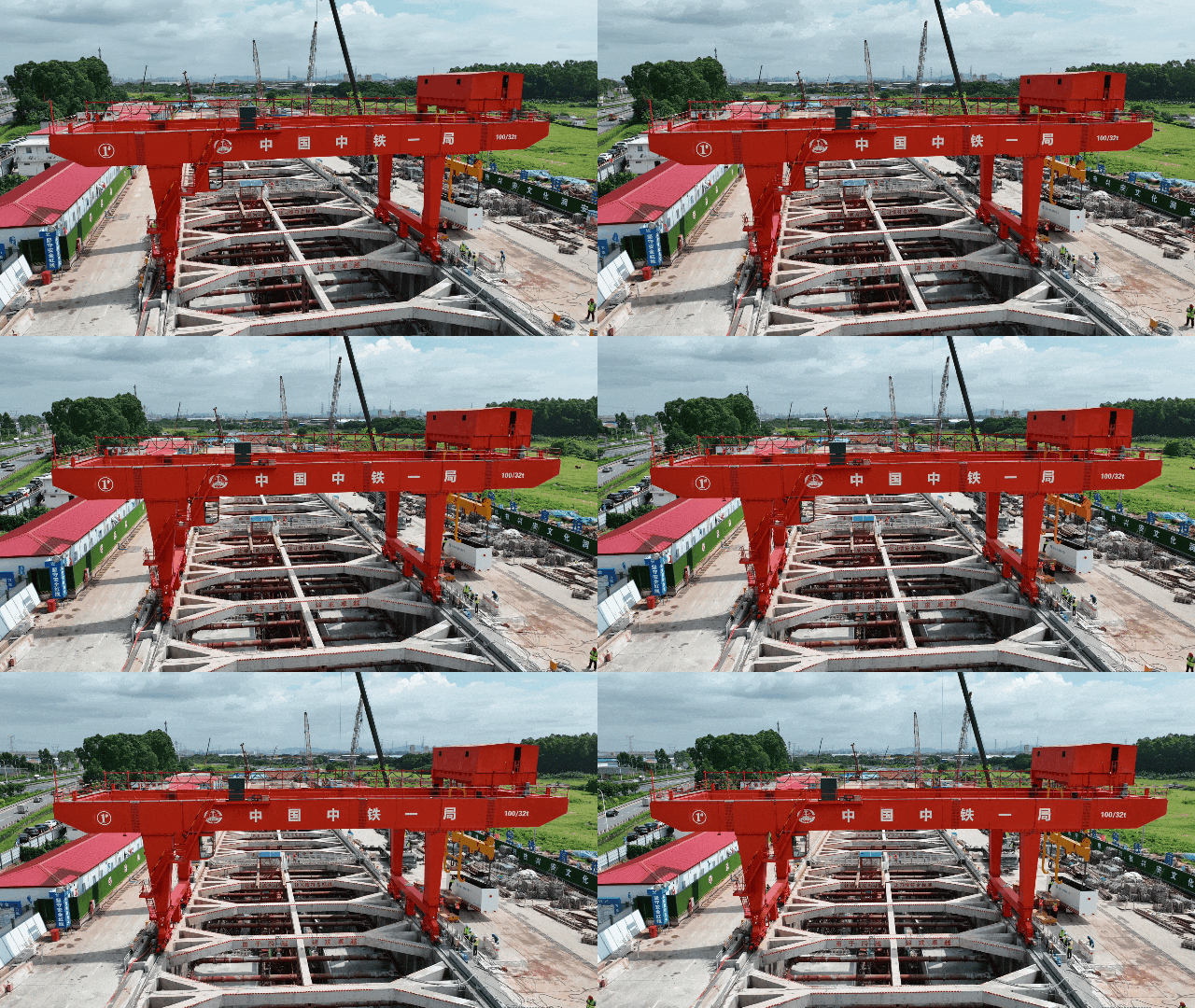
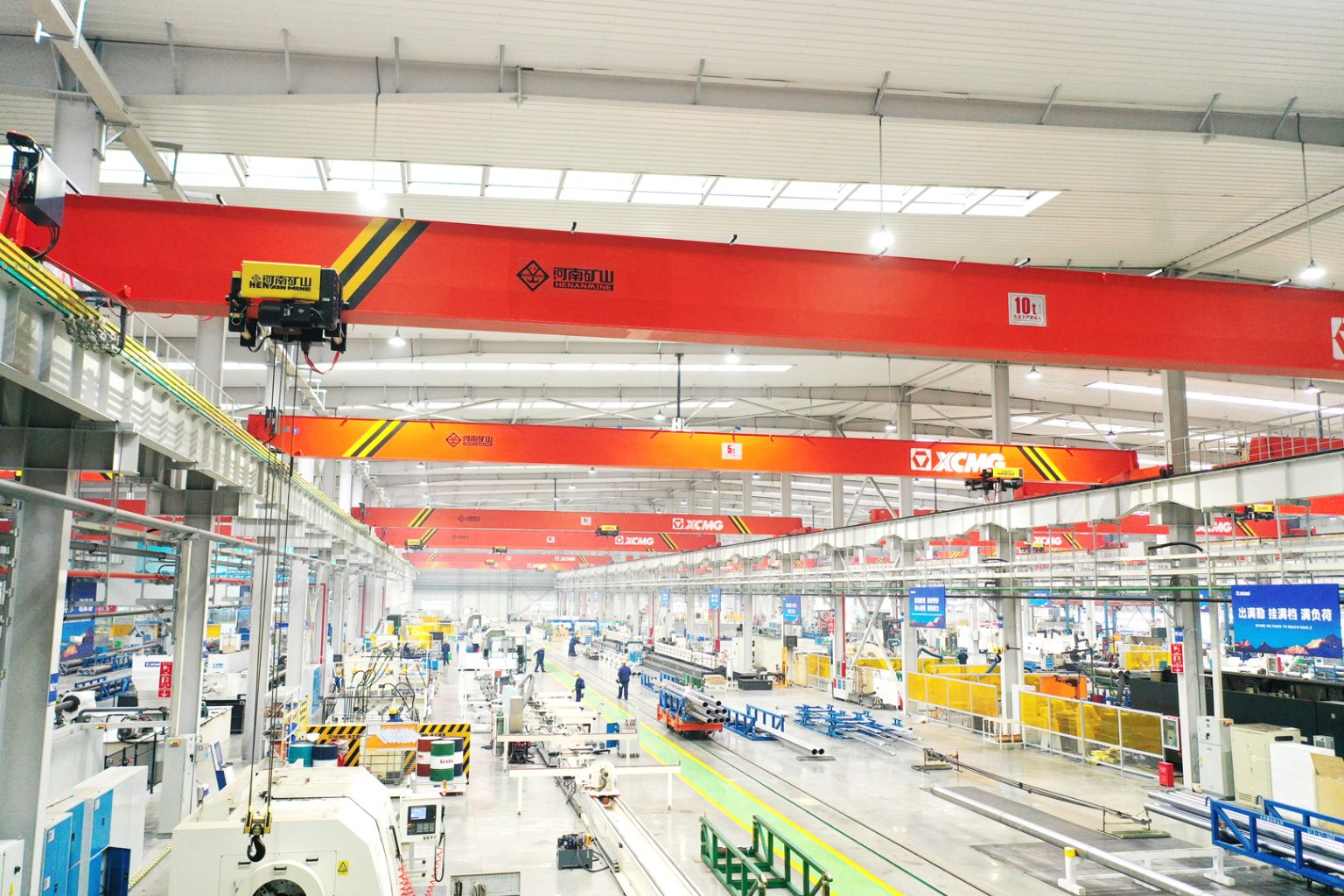
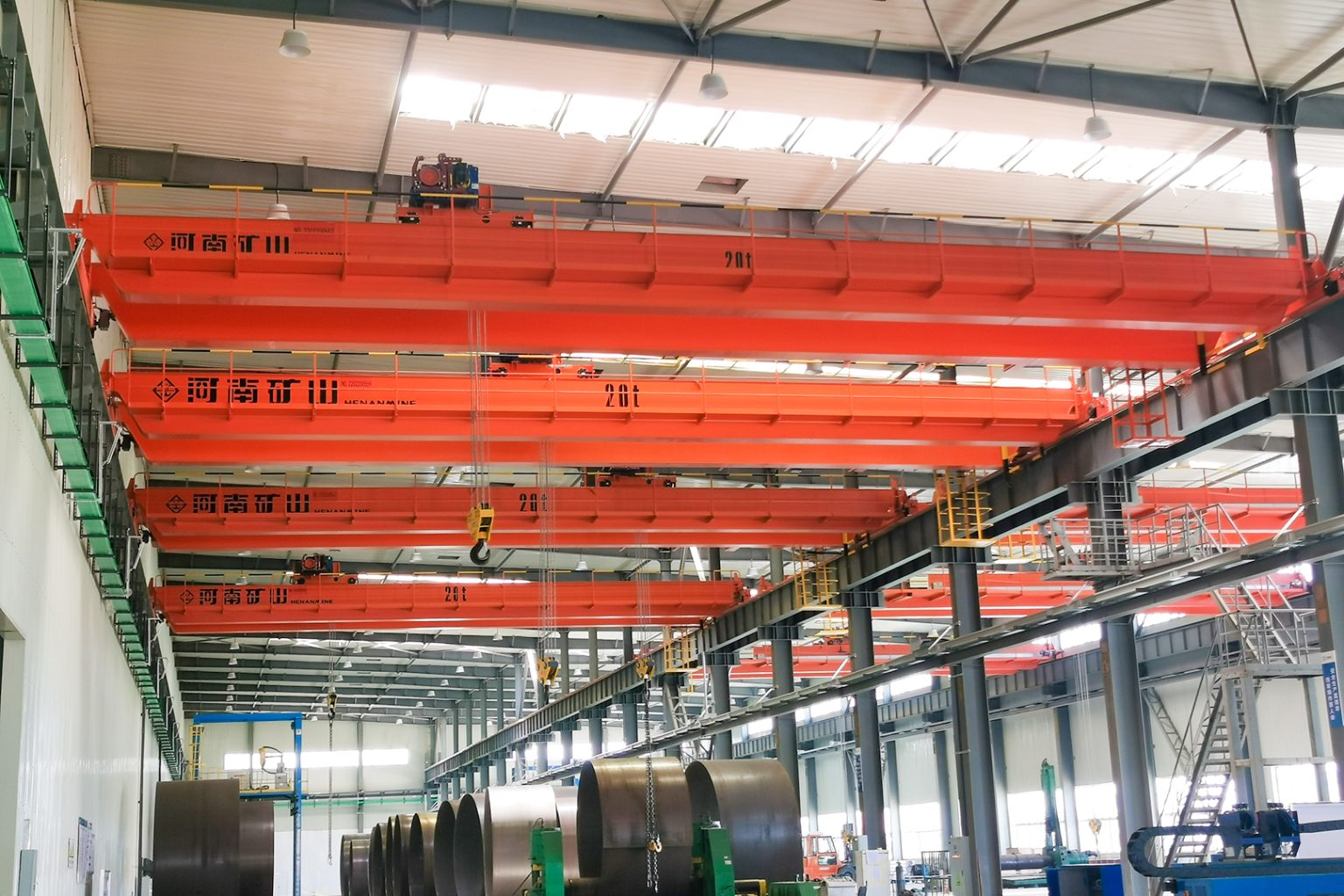
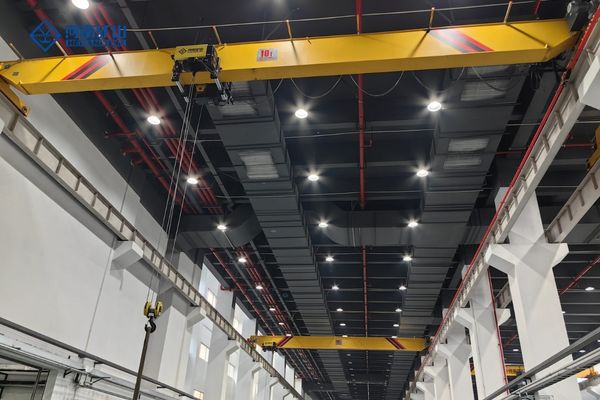
The applicable tonnage covers 1-20 tons, of which 1-15 tons is the most commonly used specification. With light structure, convenient installation and outstanding cost performance, this model is suitable for small-span workshops, light load and low-frequency operation scenarios, and is widely used in light factories, maintenance workshops and regular light manufacturing conditions, and is the preferred equipment for light and medium-sized lifting scenarios.
Double Girder Overhead Crane (Medium and Heavy Duty)
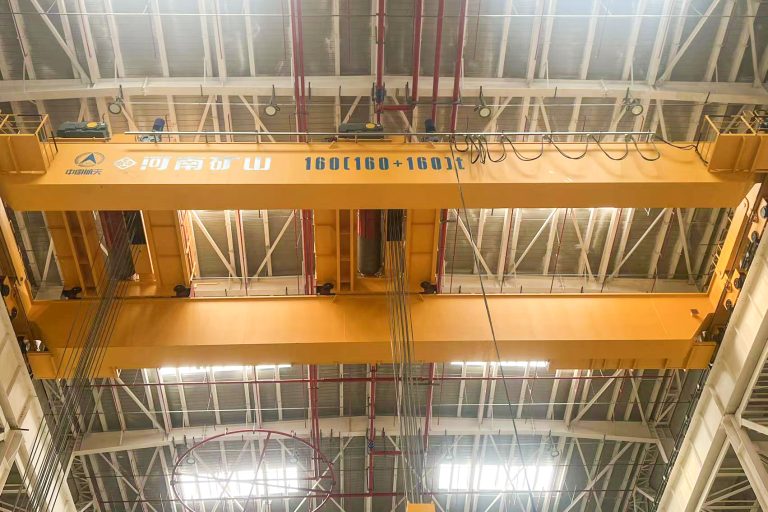
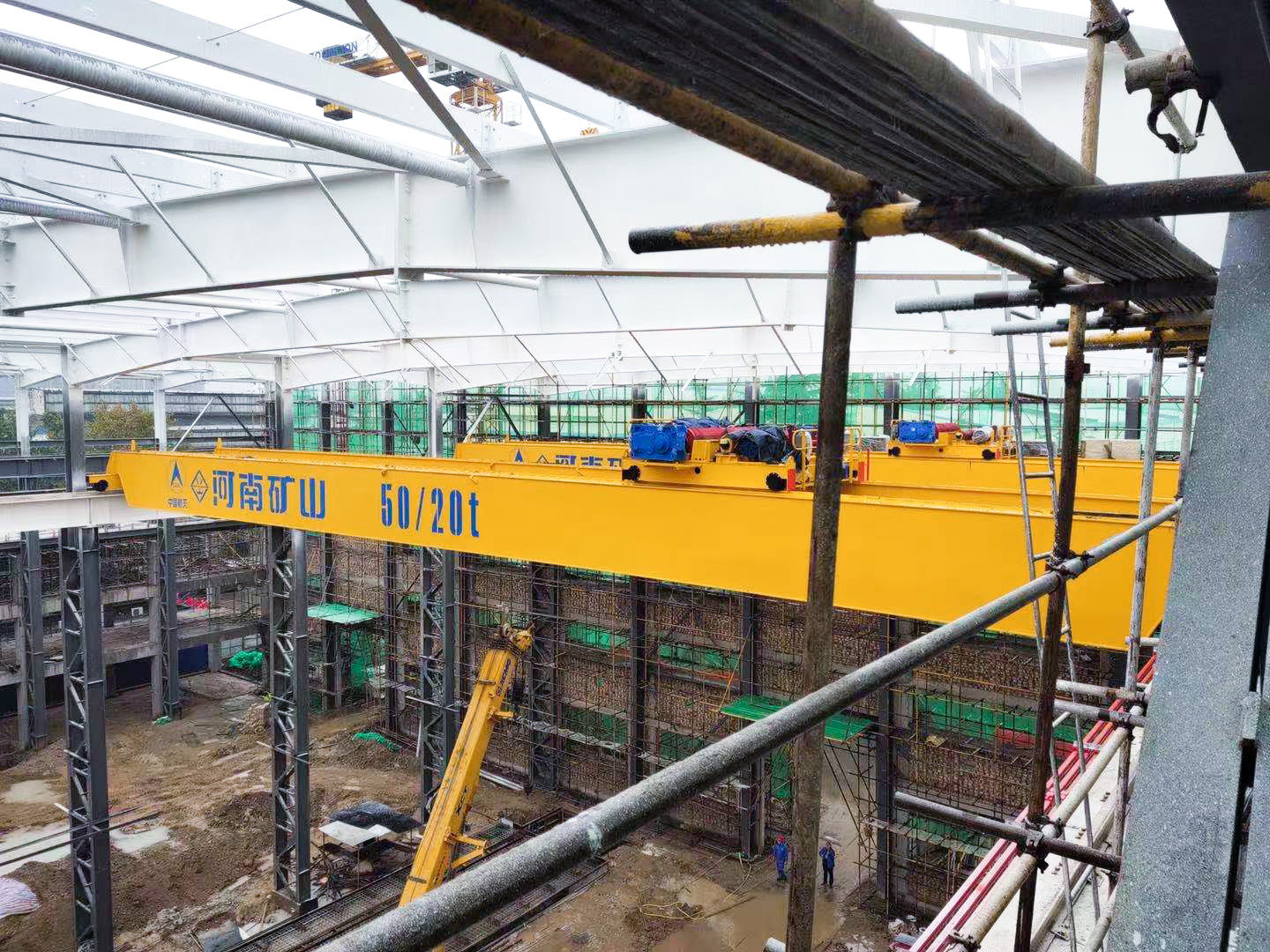
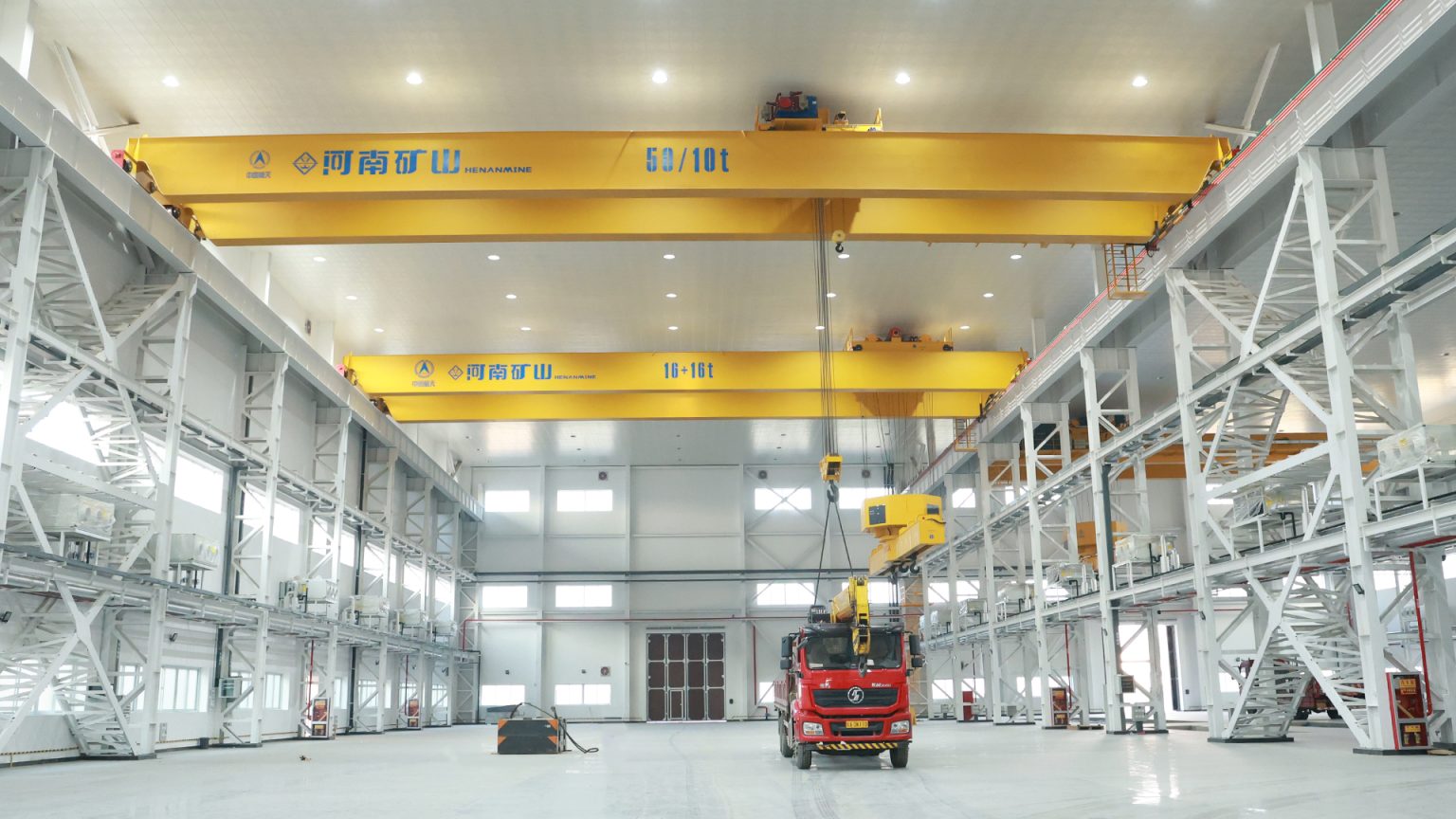
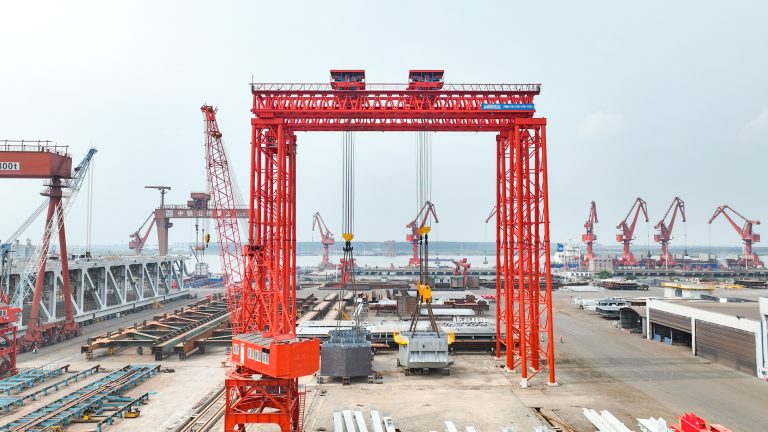
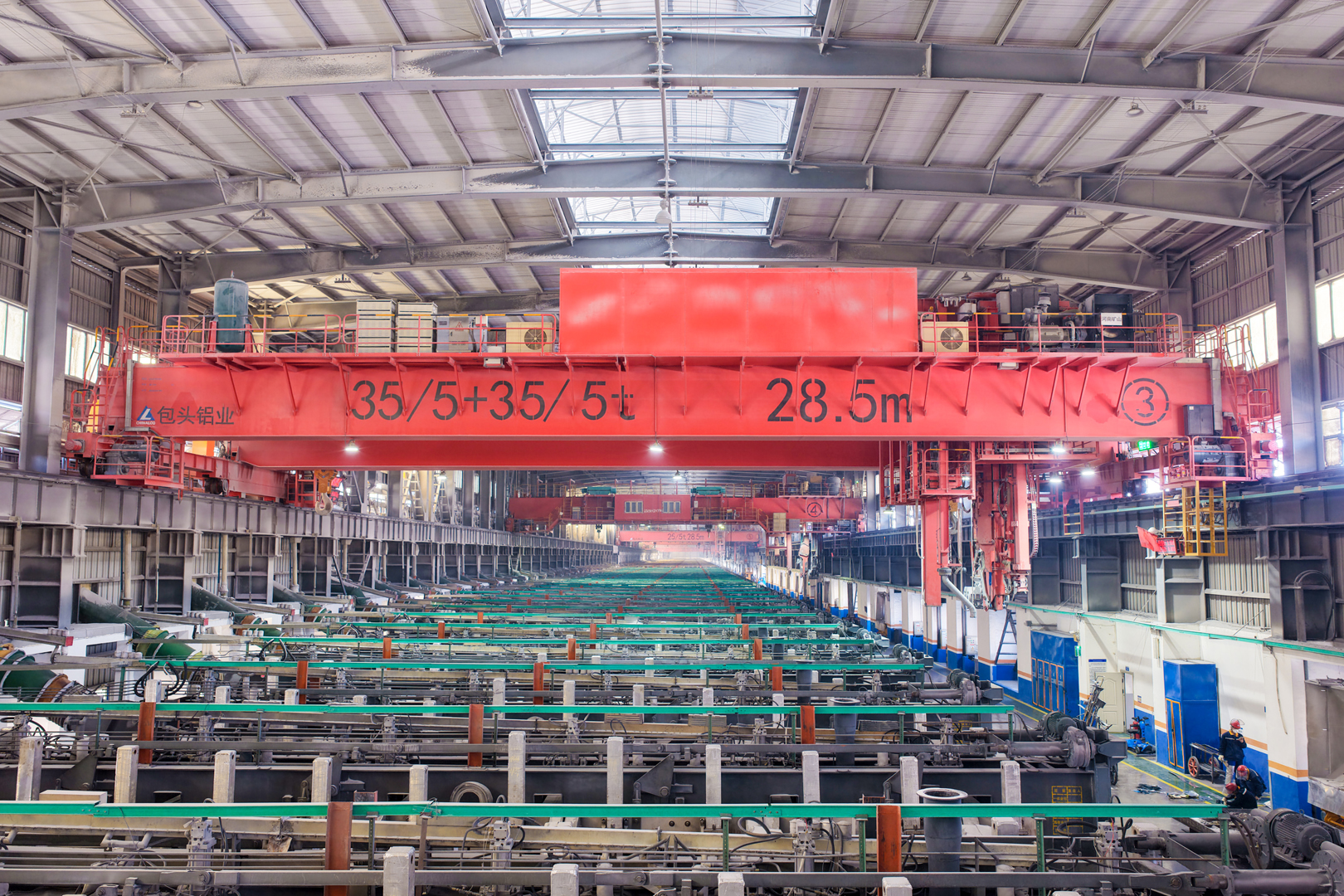
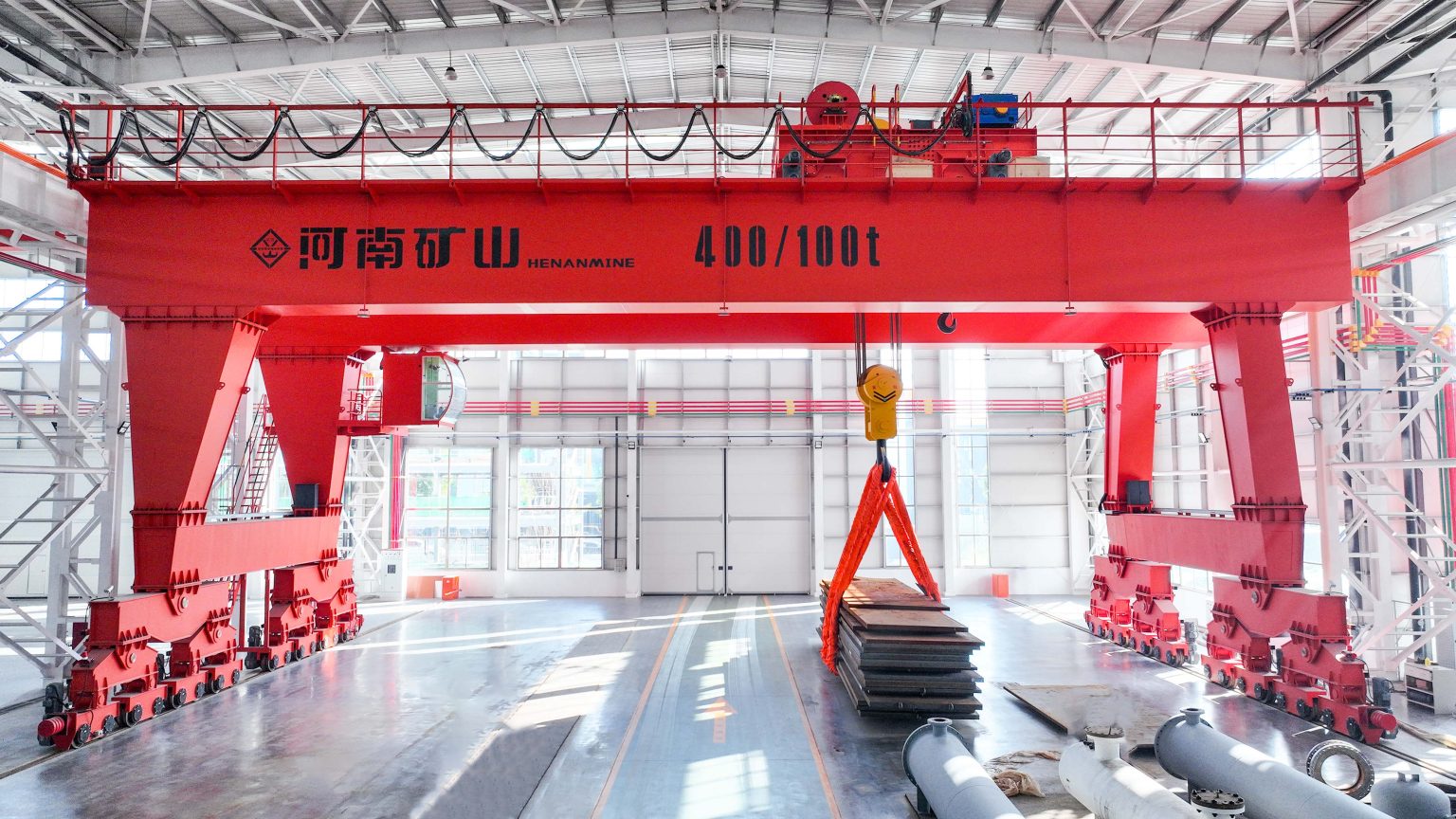
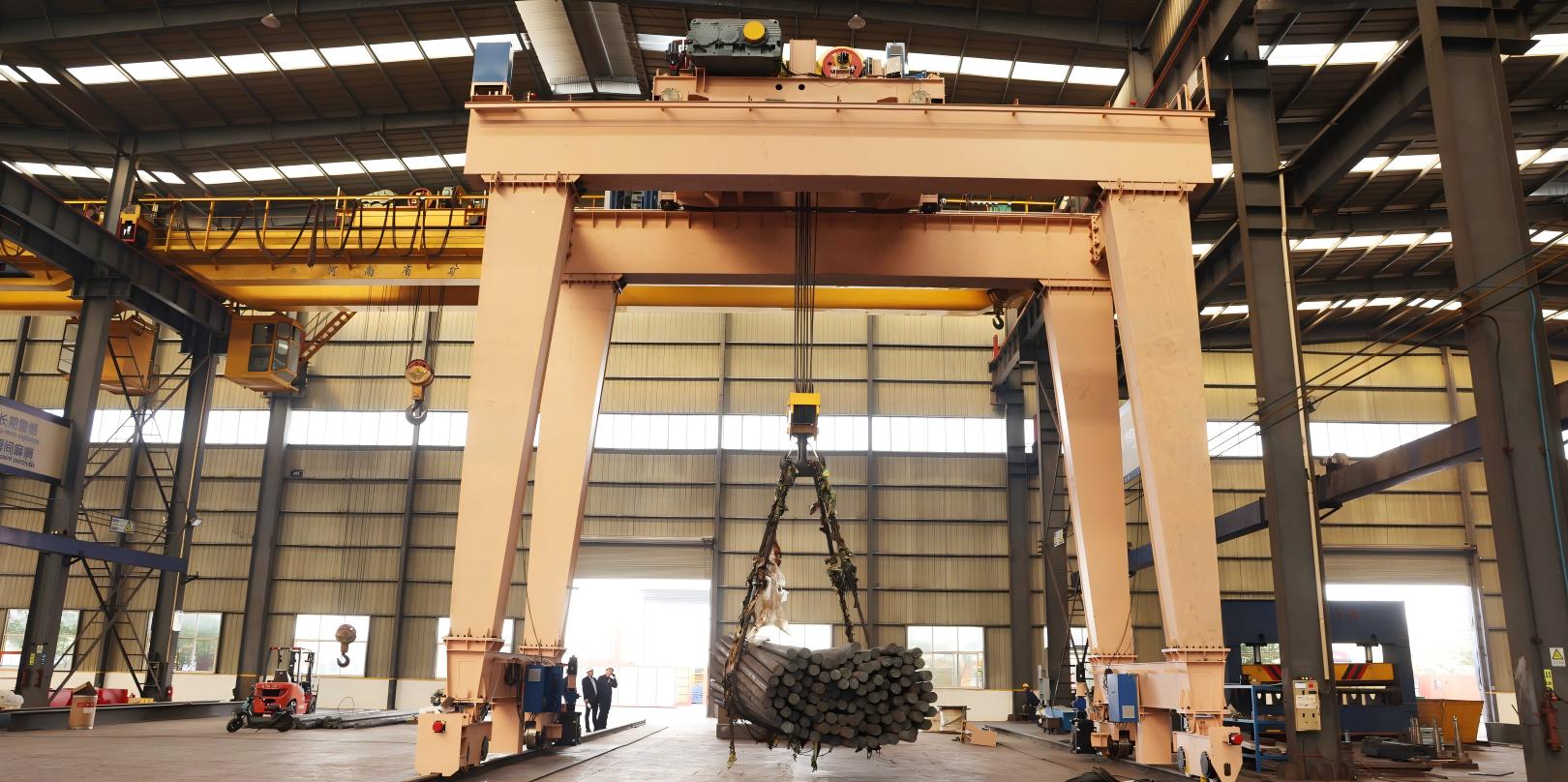
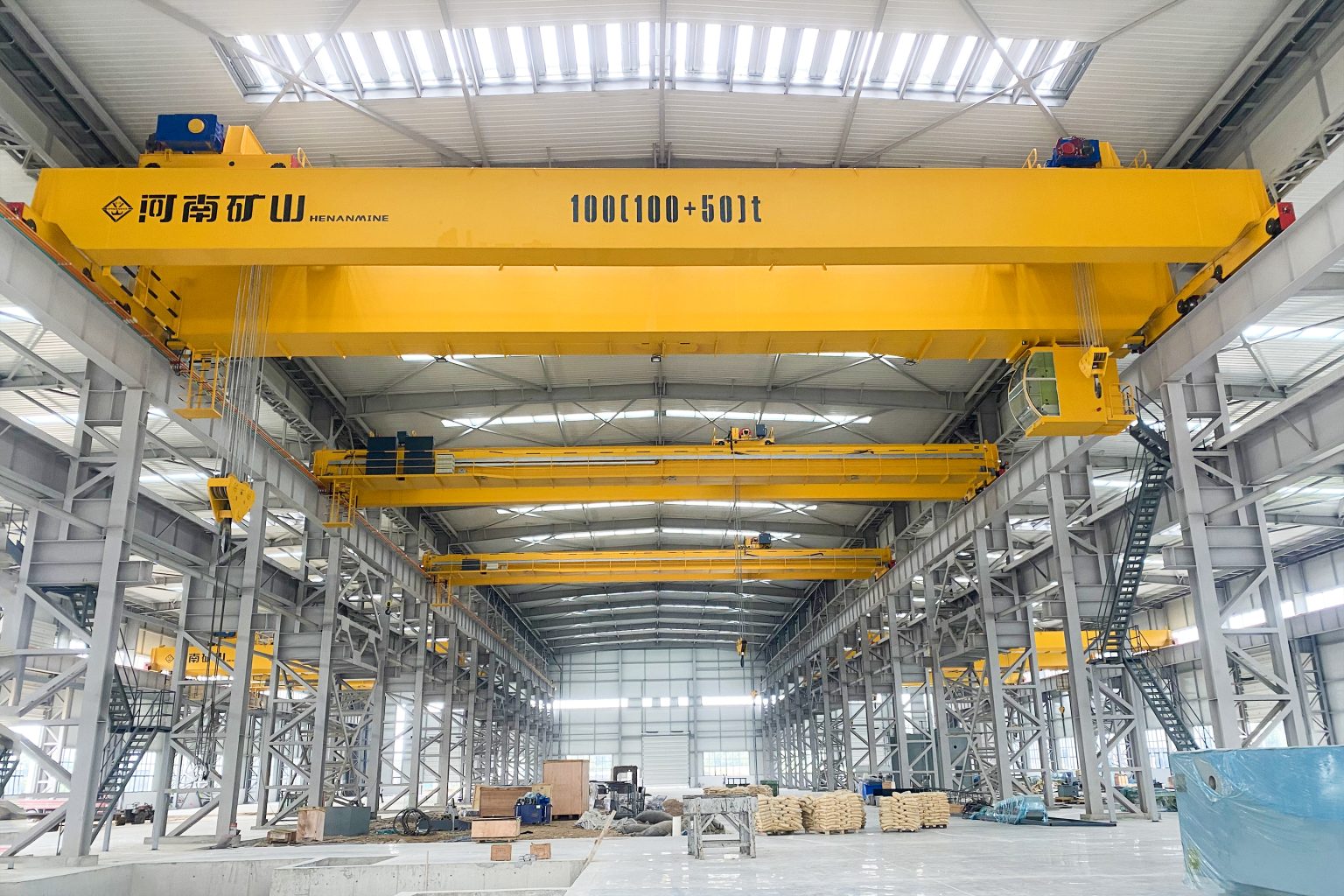
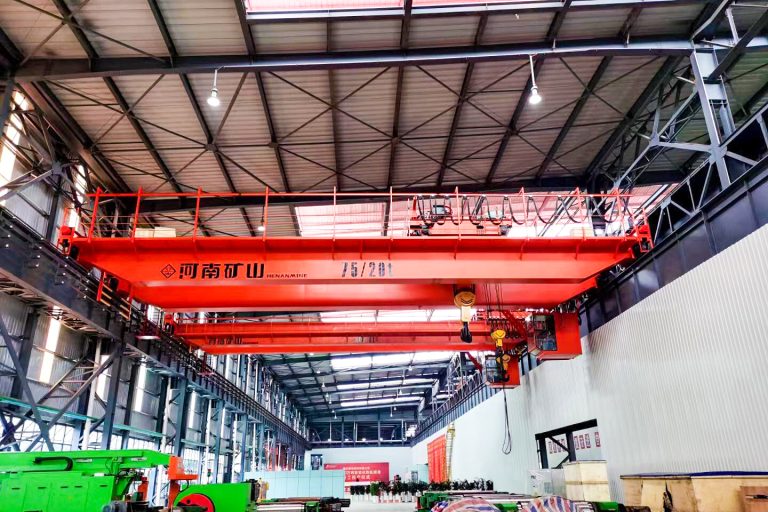
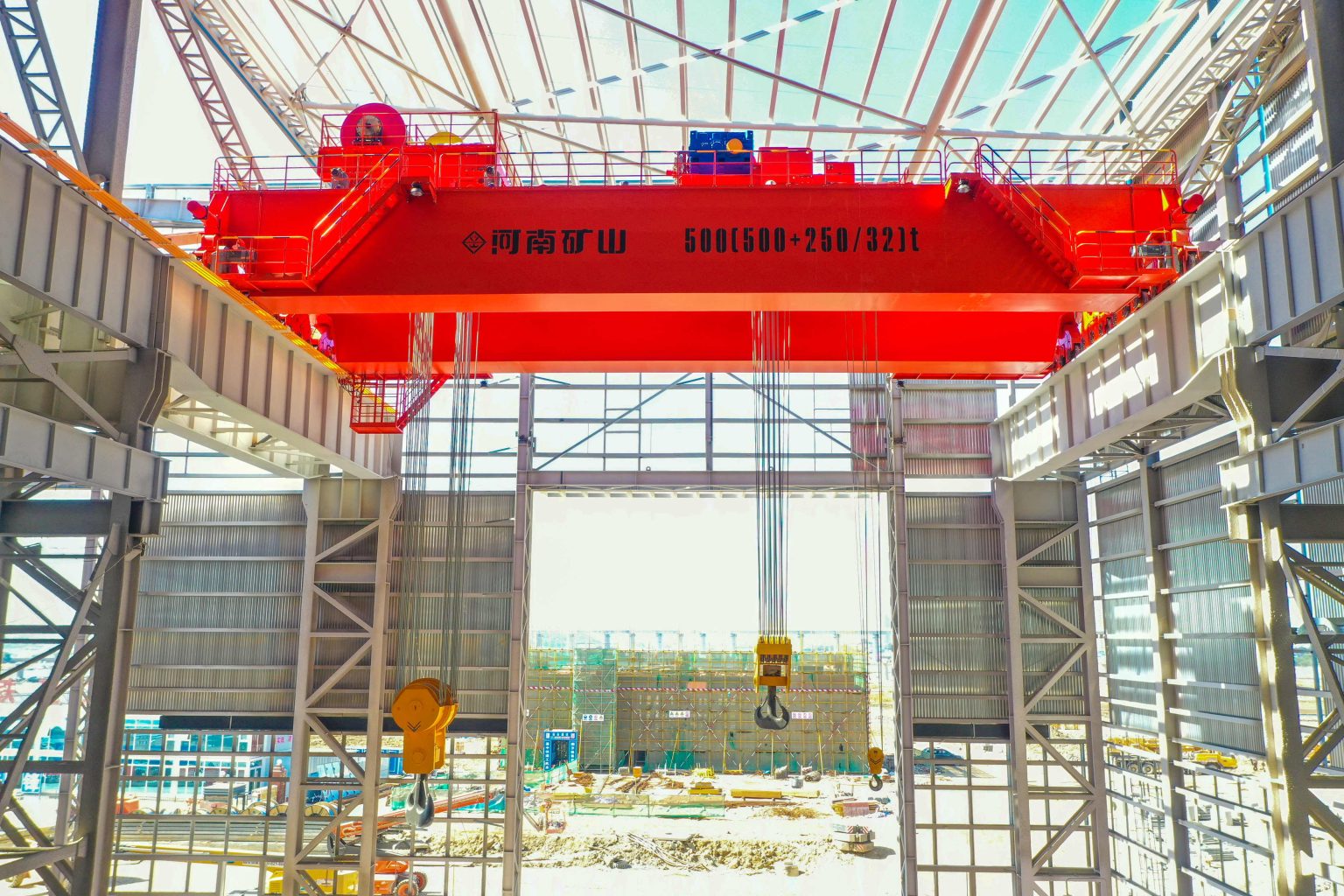
Suitable tonnage covers 5-500 tons and large customized tonnage. Double girder overhead travelling crane has high structural strength, wide range of spans, greater effective lifting height and excellent fatigue resistance for heavy loads. It is designed for high-frequency operation, large spans, high loads and heavy-duty lifting in demanding industrial scenarios.
Adaptation by load intensity
- Light duty (0.5-5 tons): Suitable for small processing plants, warehouses, equipment maintenance, small pieces of assembly line lifting, and other light load, low-frequency operation scenes;
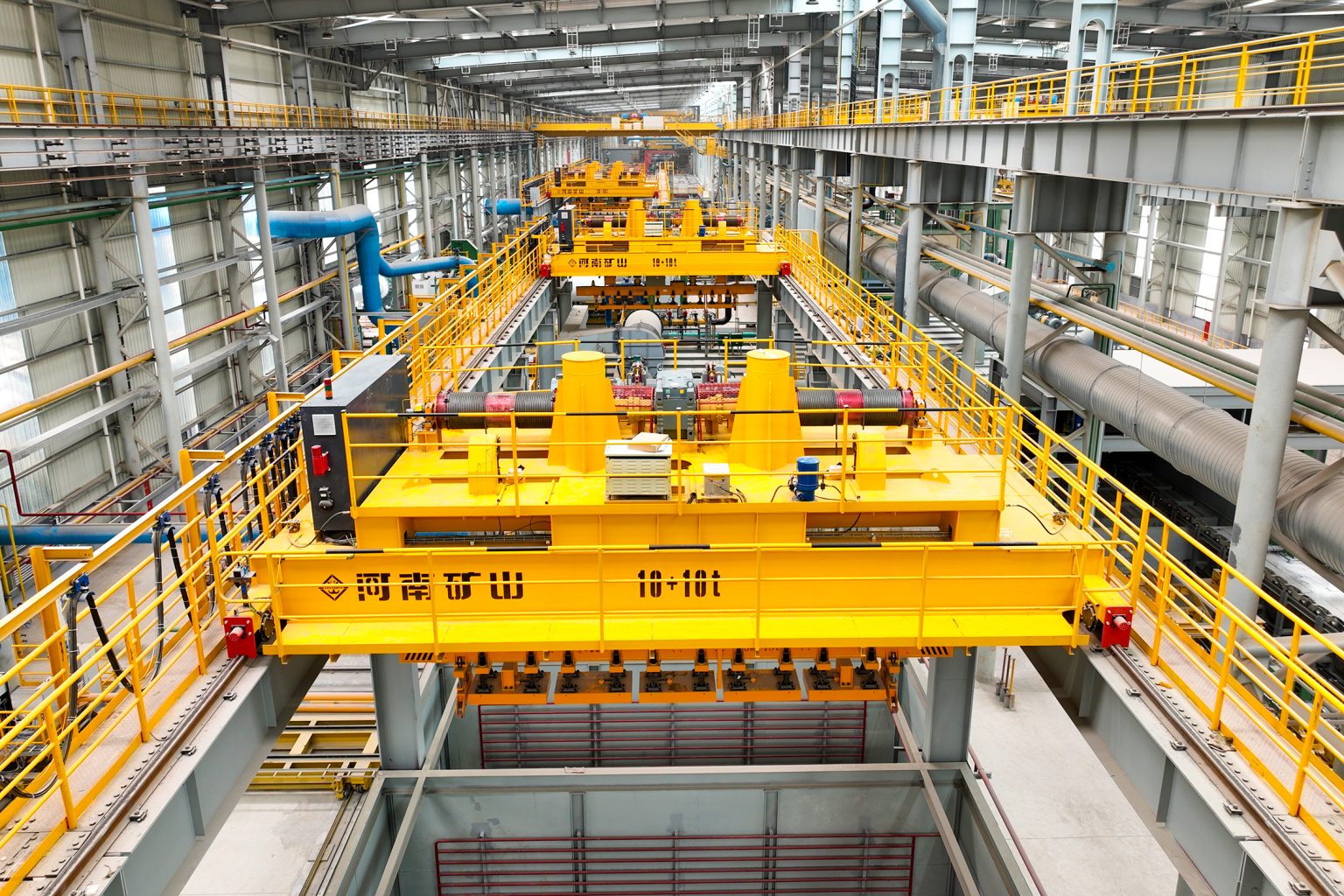
- Medium working condition (5-20 tons): suitable for machining, general manufacturing, automobile assembly and other conventional industrial scenarios to meet the needs of daily normalized lifting operations;
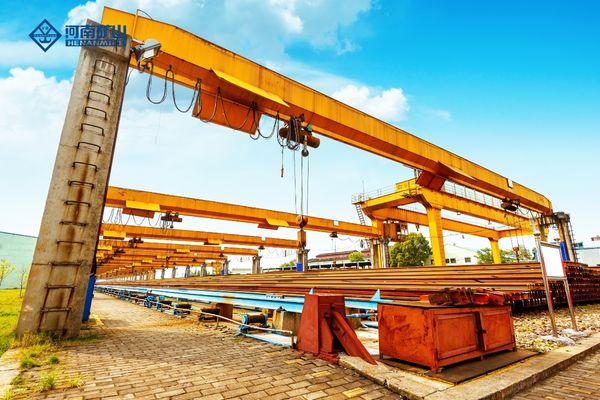
- Heavy-duty working conditions (20-50 tons): suitable for heavy-duty and high-intensity heavy-duty operation scenes such as steel structure production, foundry, coil processing, and so on;
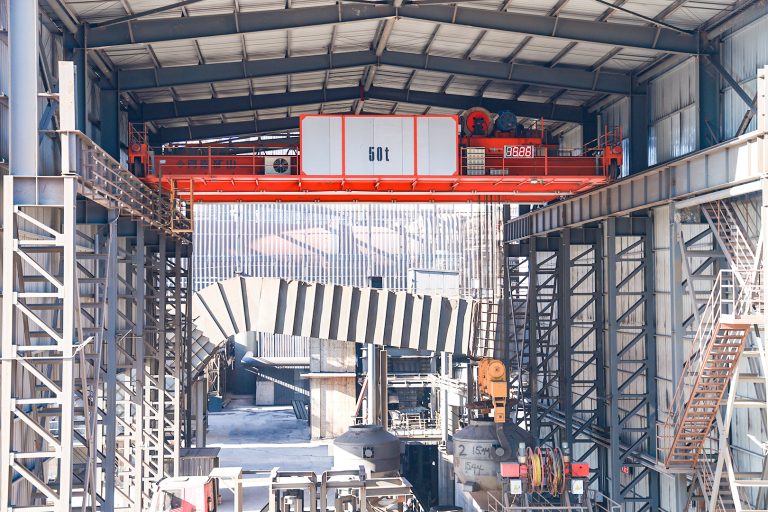
- Extra heavy-duty working condition (over 50 tons): suitable for shipbuilding, iron and steel mills, power plants, large forging workshops and other heavy engineering work scenes with large tonnage and high load.
Industry-Specific Capacity Recommendations
The load characteristics, operation frequency and working conditions of different industries are very different, corresponding to the mature standardized selection scheme, which can be directly adapted to the industry's general production needs.
- Light Manufacturing: 1-10 tons; suitable for CMAA B/C class working conditions. Priority is given to single girder overhead travelling crane, which is cost-effective, easy to operate and maintain, and fully adapted to the normalized light-load lifting and loading of small parts, jigs and fixtures, and finished products.
- Medium-sized manufacturing: 5-20 tons; suitable for CMAA C/D level working conditions. Single or double girder overhead travelling crane can be selected according to the workshop span and operation frequency, suitable for high-frequency lifting and loading of medium-sized materials such as mechanical parts, steel plates, body components, etc., taking into account the operational efficiency and operational stability.
- Heavy duty casting: 10-50 tons and above; suitable for CMAA Class D working conditions. It is equipped with high-strength double girder overhead travelling crane as standard, with strong load bearing capacity and excellent fatigue resistance, which can be stably adapted to heavy load and high frequency lifting and loading scenarios such as castings, steel structures and heavy machinery and equipment.
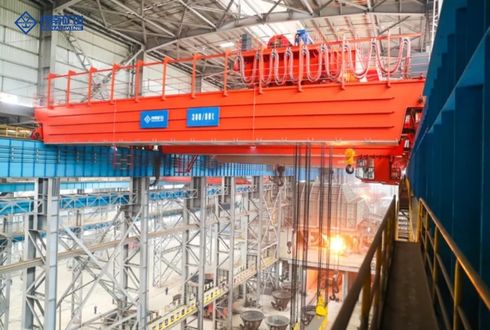
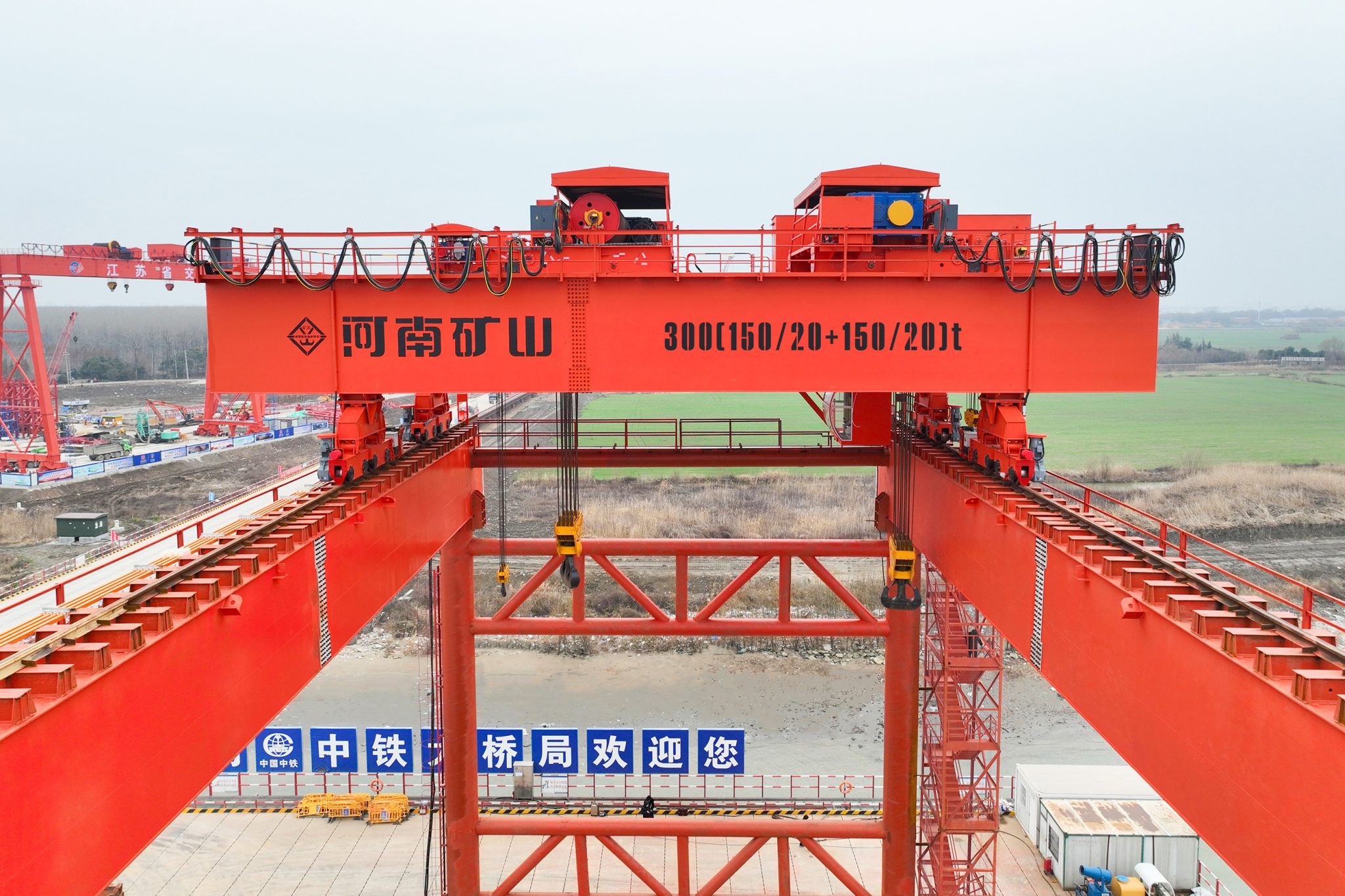
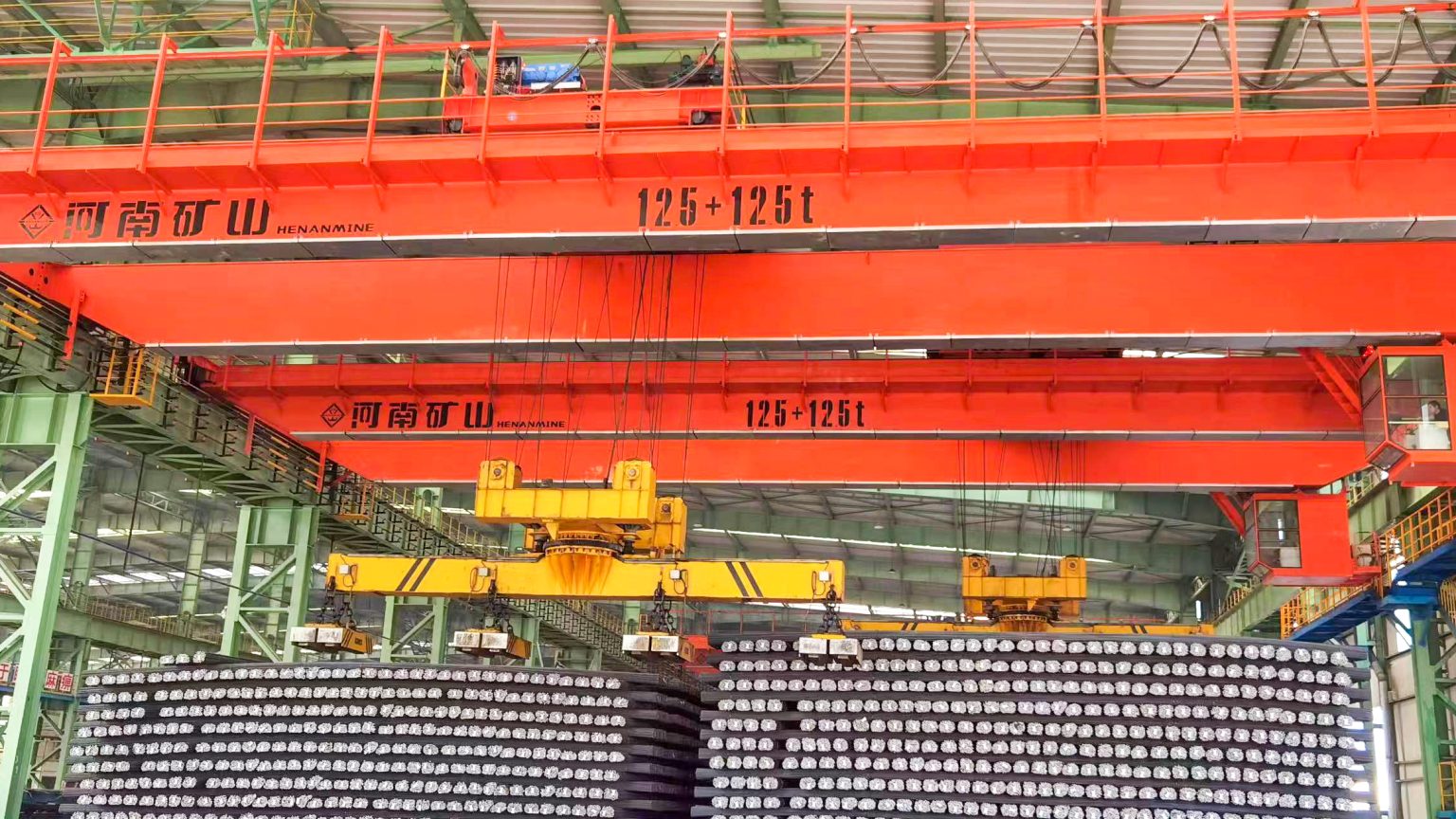
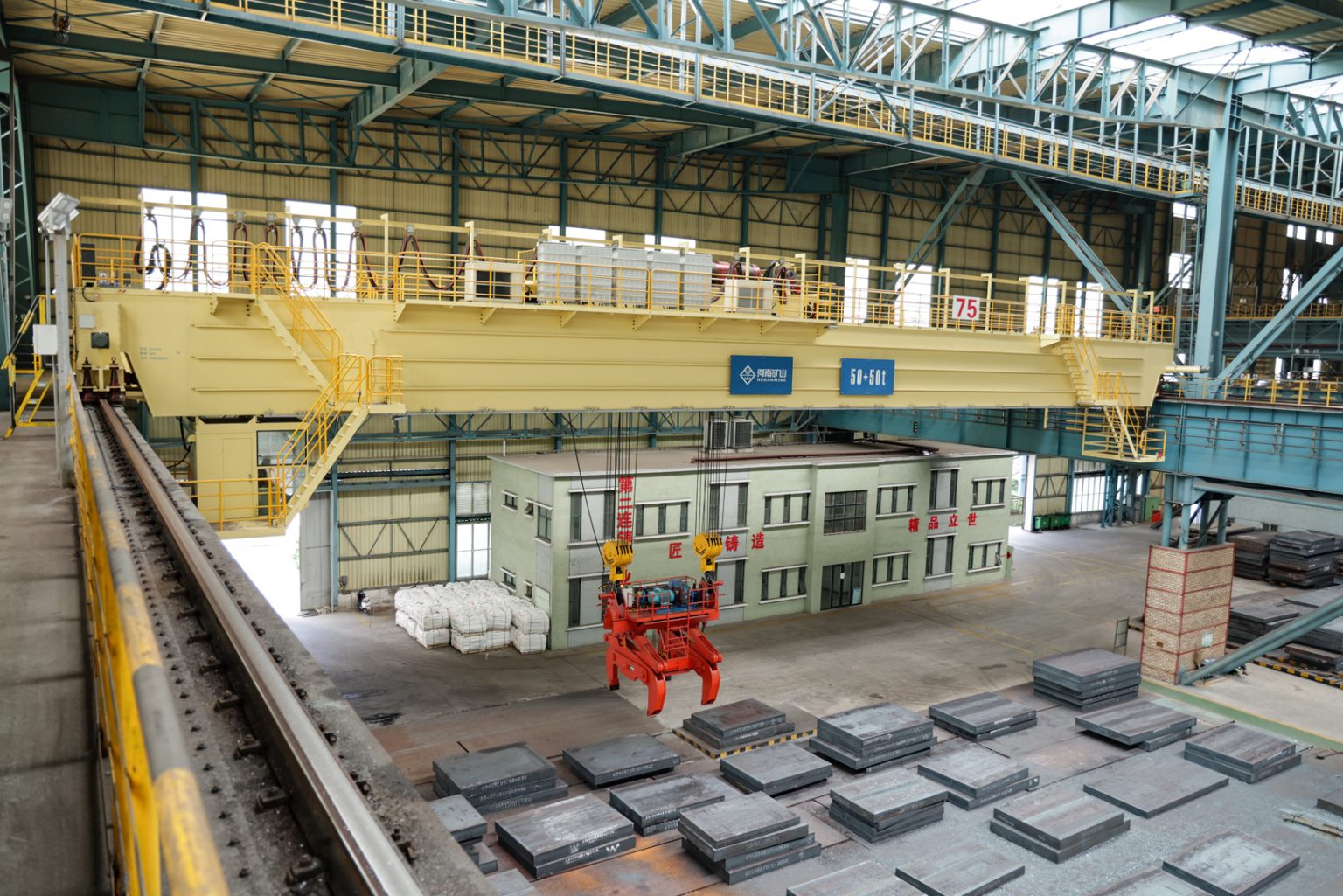
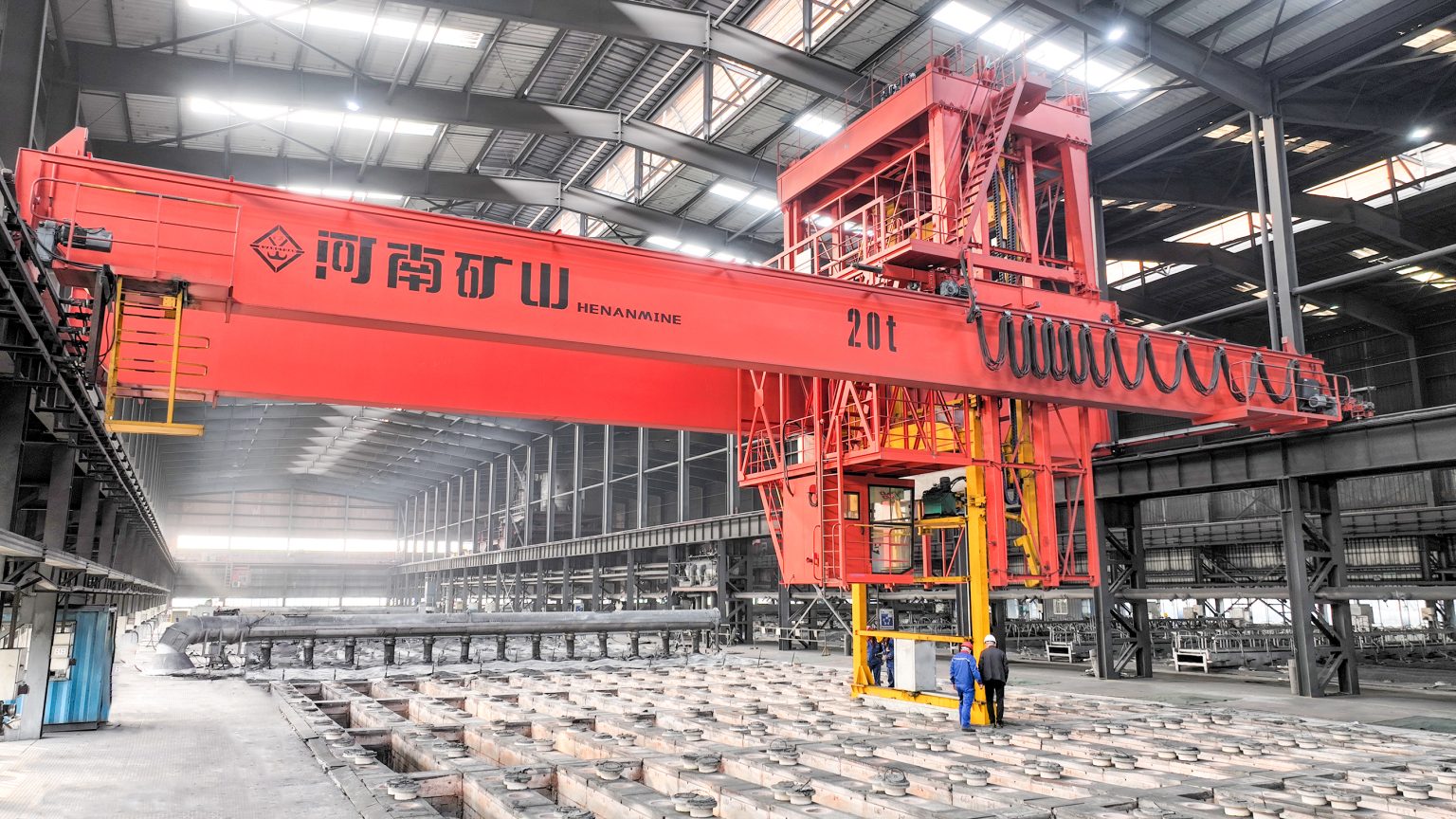
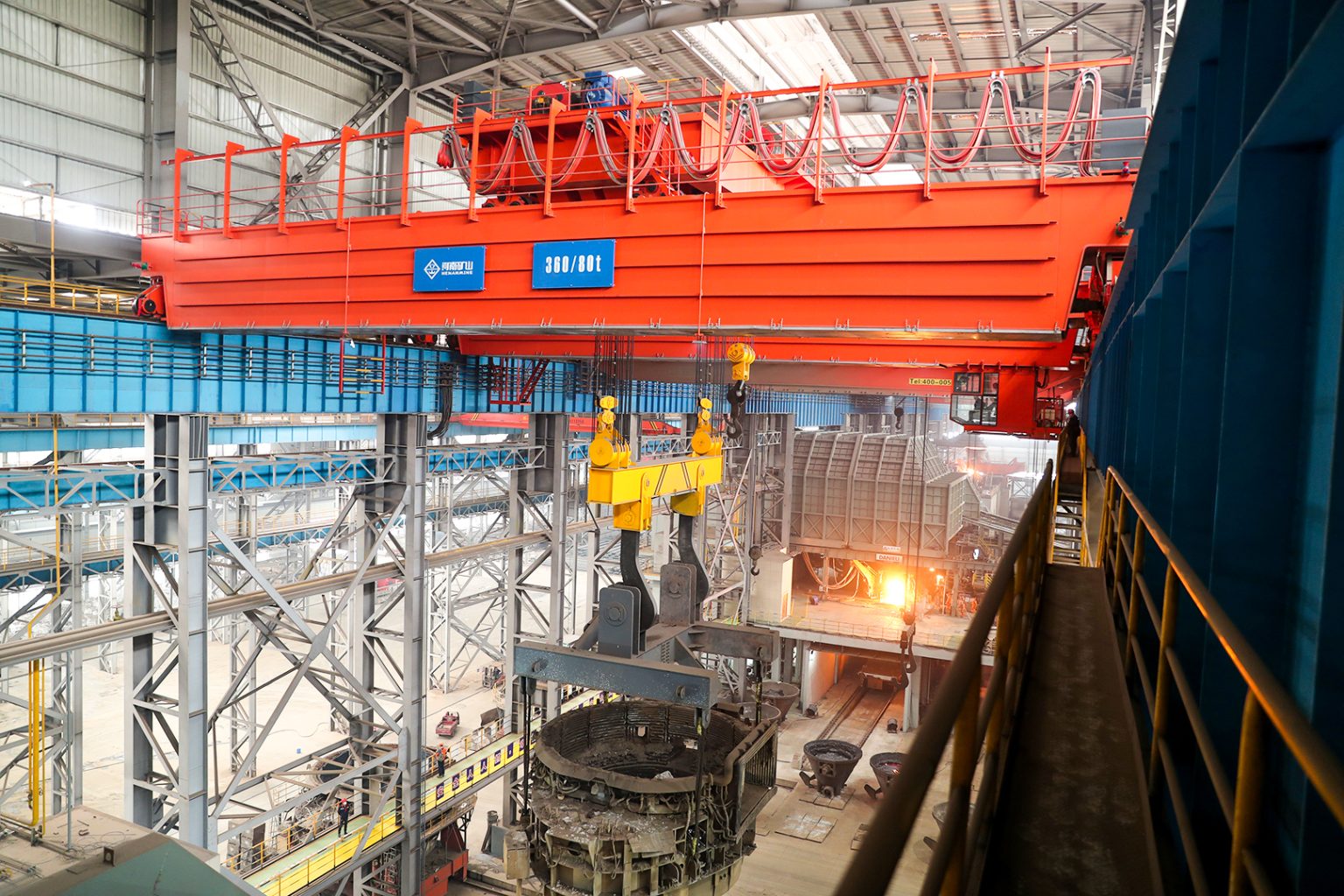
- Steel mills: 20-300 tons customized model; suitable for CMAA E/F class high strength working conditions. Adoption of high-temperature-resistant, heavy-duty customized double girder cranes can be effectively adapted to the high temperature, dusty, continuous full-load operation of steel mills in harsh working conditions, equipment durability and safety is stronger.
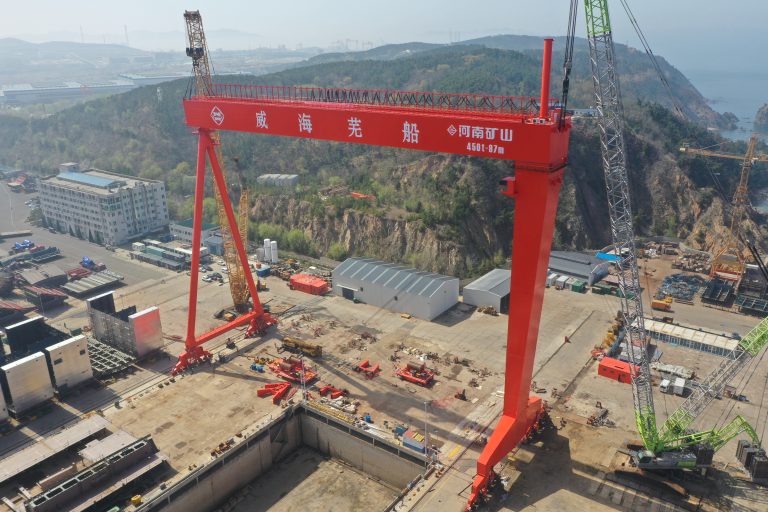
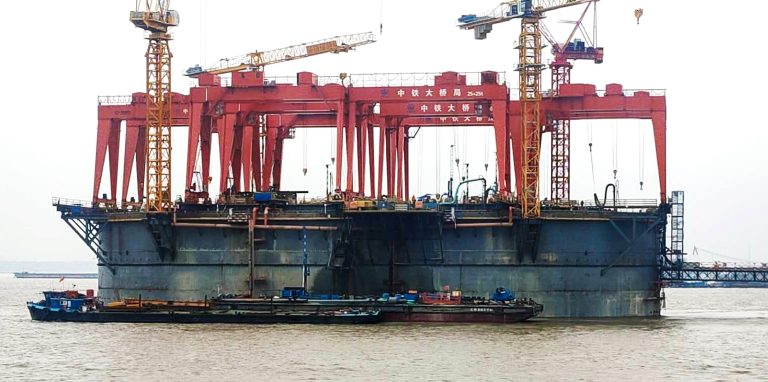
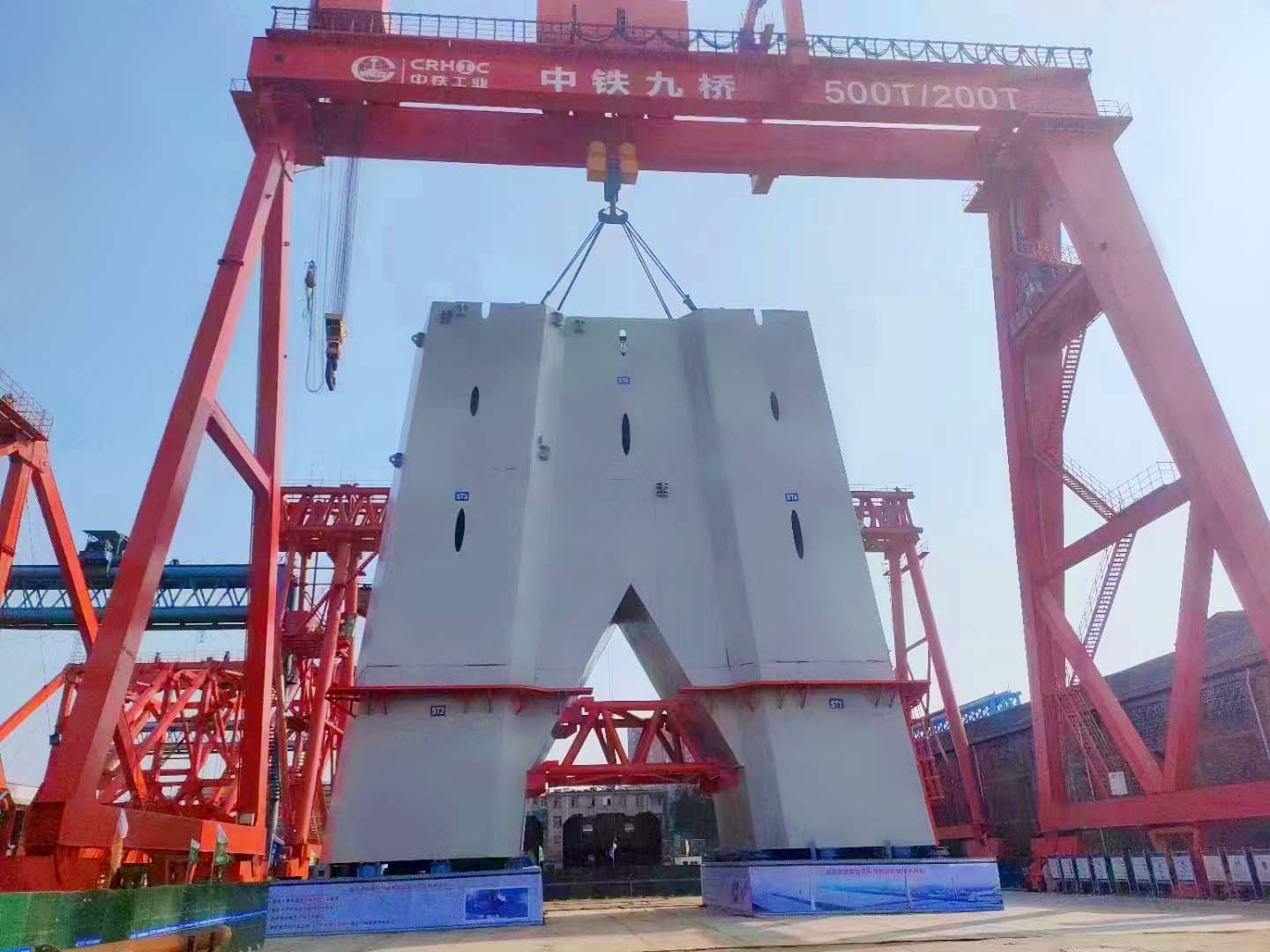
- Large-span heavy-duty assembly: customized specifications from 50 tons to hundreds of tons; adapted to CMAA D-F class working conditions. Customized large-span heavy-duty double girder overhead travelling crane with strong structural rigidity and large lifting span is specially adapted to the lifting and assembling of oversized components such as ship hull modules, large power generating sets and heavy-duty complete sets of equipment.
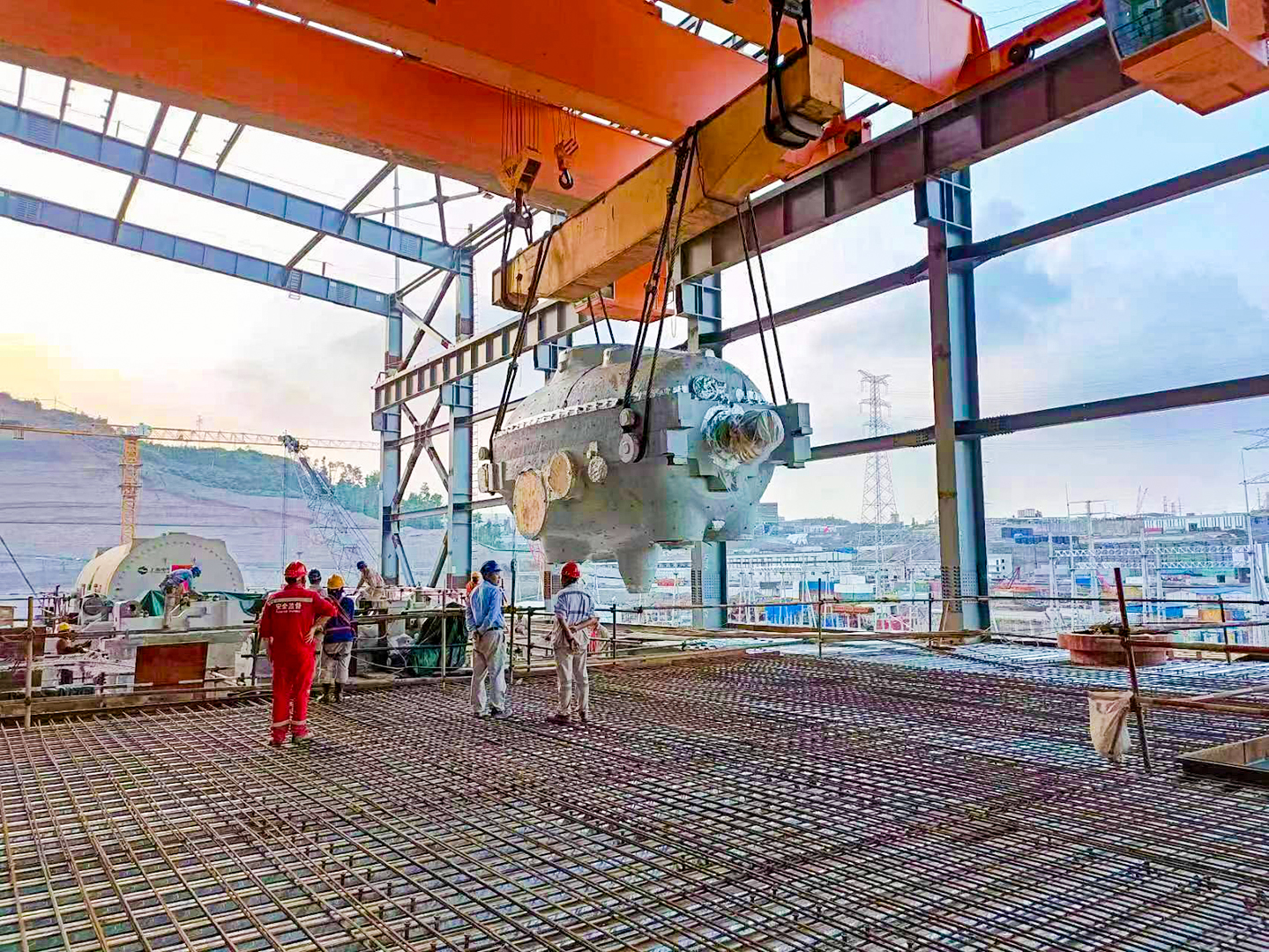
- Public Works: 5-50 tons; suitable for CMAA A/B class operation. The equipment is mainly used for standby and overhaul work, with low daily utilization rate, but with strict requirements on stability and reliability, specially adapted to the overhaul and hoisting work of the core equipment of the plant such as steam turbine and transformer.
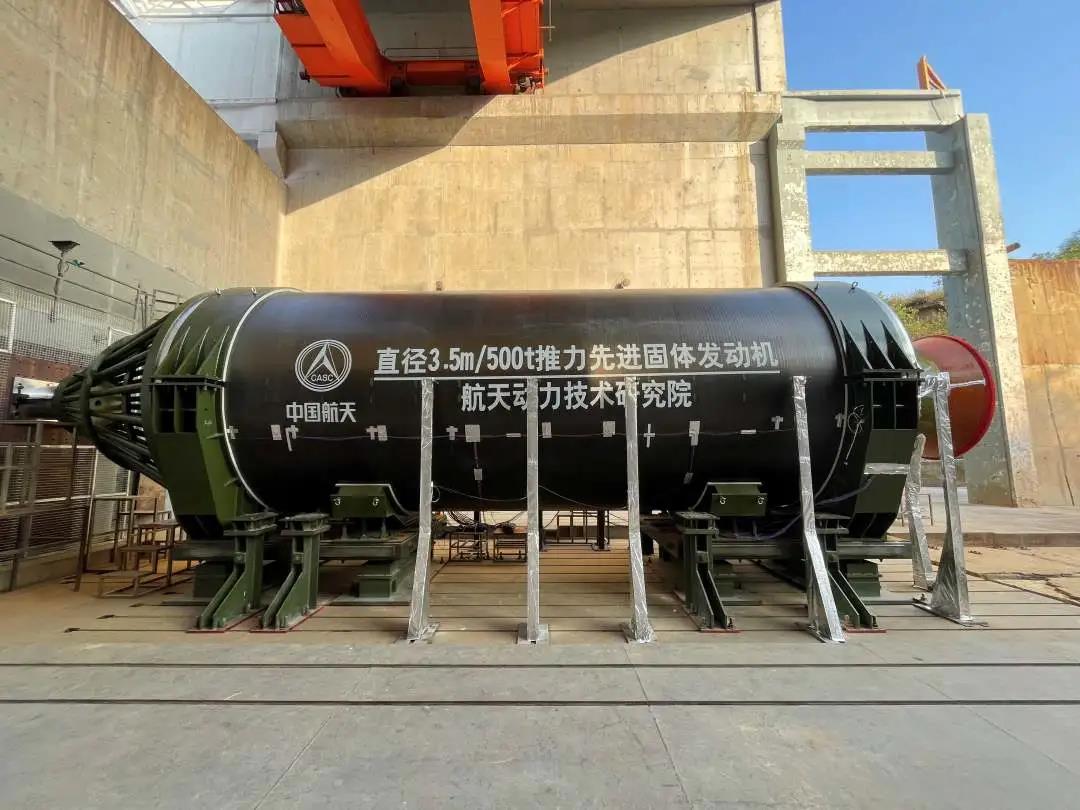
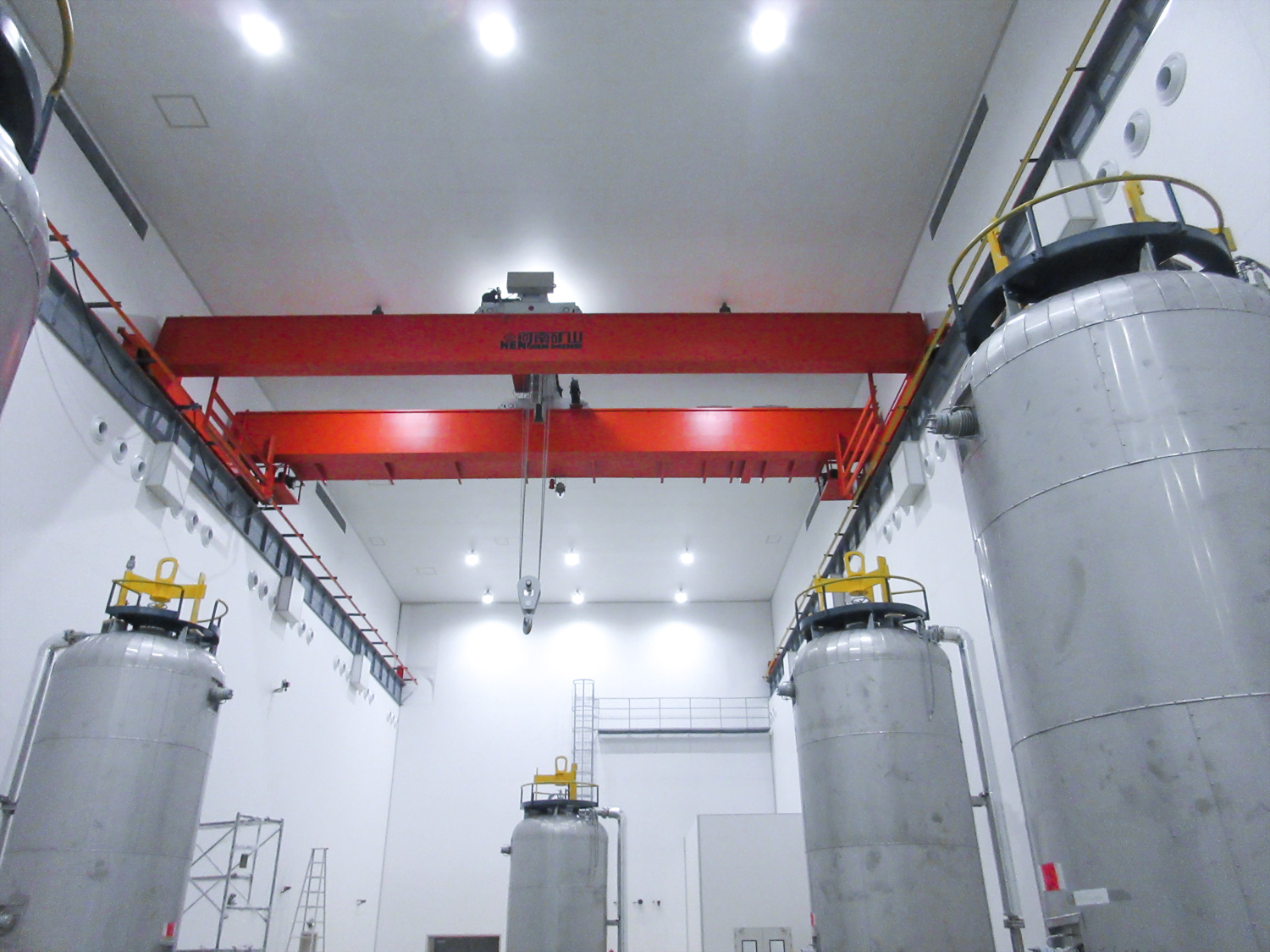
- Aerospace: 5-25 tons; focusing on high safety redundancy and high precision control design. It can be equipped with explosion-proof, clean and precise positioning control system, which is perfectly suited for aerospace and other precision manufacturing, high-risk and clean special operating environments, taking into account the accuracy and safety of operations.
Signs Your Current Bridge Crane Capacity Is Inadequate
Rated lifting capacity is the core parameter, but relying on the tonnage alone can not guarantee the adaptability of the equipment, you need to synchronize the verification of the following supporting parameters, to avoid the equipment can not be used normally after arrival.
- Structural and dimensional parameters: covering the rail span, effective lifting height, plant top clearance, total rail length, roof beam load-bearing limits and other core data, all dimensions and load-bearing parameters need to be verified on-site to ensure that the site conditions are accurately matched.
- Operational performance parameters: including hoist configuration type, hoisting and trolley speed, frequency control mode, precise positioning accuracy and other core indicators, which need to be accurately matched with the production line's operational rhythm and efficiency requirements to meet the needs of normalized production.
- Environment and installation parameters: Combined with indoor and outdoor operating scenes, temperature and humidity conditions, corrosion and dust, explosion-proof anti-static and other special needs, the approved equipment protection level, anti-corrosion standards, explosion-proof configurations, fully adapted to the complex field operating environment.
- Safety Compliance Parameters: The equipment should be equipped with a full set of safety devices such as overload protection, up and down travel limit, emergency braking, anti-collision, frequency buffer, etc., which are strictly in line with the national standards and international industry norms of OSHA, ASME, and CMAA, and complete test reports and compliance certification information can be provided.
- Long-term use of parameters: comprehensive consideration of the ease of maintenance of the equipment, universal adaptability of accessories, the performance of the whole machine energy consumption and the expansion of space for later upgrades, from the source to control the whole life cycle of the equipment operation and maintenance costs, to enhance the long-term use of cost-effective.
How a Crane Manufacturer Can Help Determine the Right Capacity
The core value of the regular crane manufacturers, not only the production and sale of equipment, but also to provide a full set of selection solutions to adapt to the working conditions, from the source to avoid selection errors.
On-site Survey and Condition Diagnosis
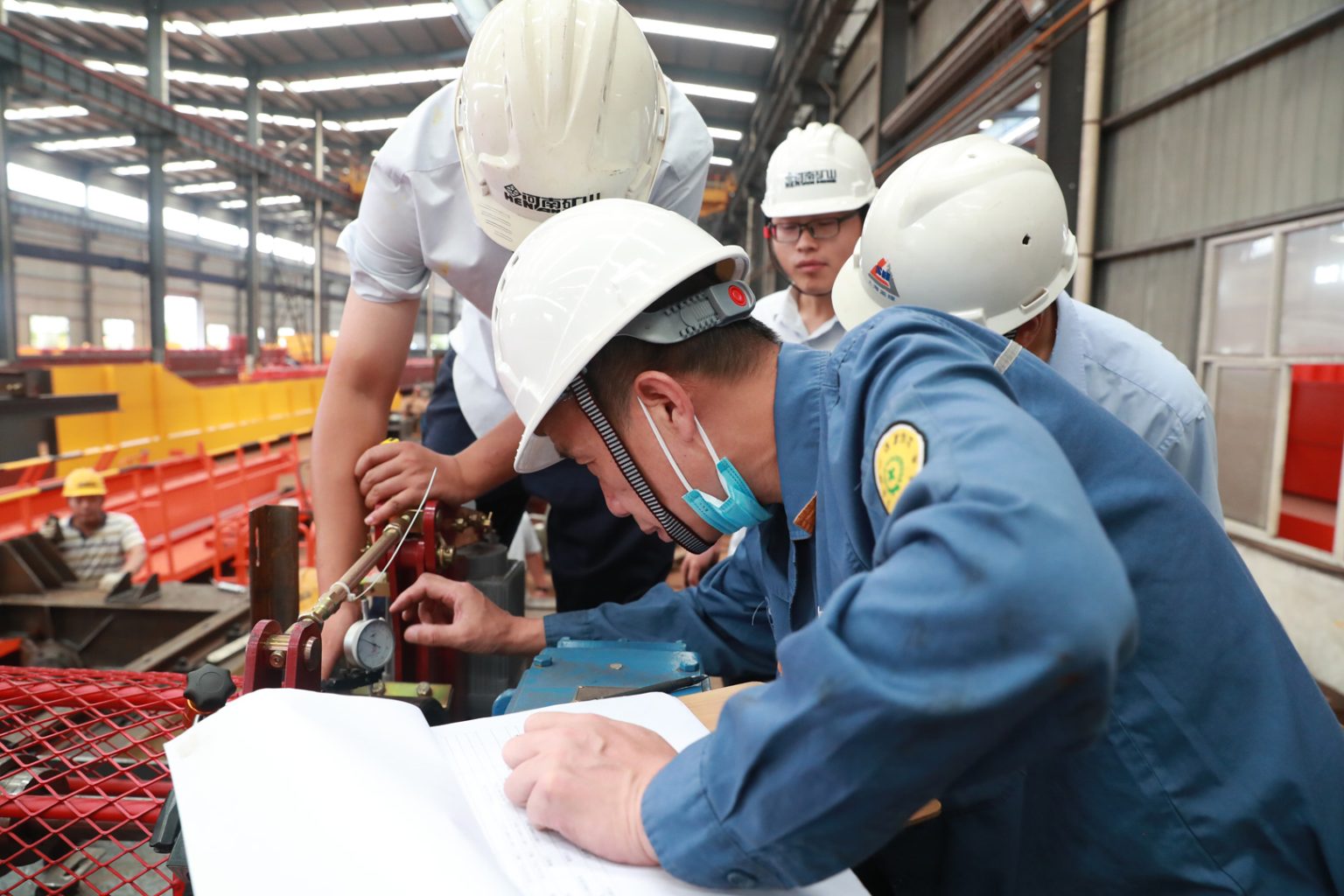
Professional manufacturers will arrange senior technical engineers to visit the field survey, accurate measurement of the plant track span, effective headroom, track specifications, roof beams and columns load-bearing, site power conditions and other core data.
All-round investigation of plant structure, installation space, site environment and other hidden constraints, accurate mapping of all kinds of selection of hidden dangers, from the source to eliminate parameter matching inconsistency, equipment can not be installed, production restrictions and other issues, to provide accurate selection of real and reliable on-site data support.
Accurate Load Accounting
Combined with the actual lifting scene on site, engineers accurately account for the maximum net weight of materials, the total weight of spreaders, slings, clamps, jigs, suction cups and other accessories one by one, so as to accurately calculate the total basic load.
At the same time, the engineers also assess the distribution of the center of gravity of the load, the existence of eccentric lifting, load shaking, dynamic impact and other characteristics, combined with the differentiated lifting methods, scientifically calculate the appropriate safety load and the standard safety margin, to completely avoid the problems of small tonnage and insufficient safety redundancy caused by selecting the model based on the weight of the material alone.
Precise Matching of Operating Levels
Relying on the core working condition data such as average daily lifting frequency, single operation duration, annual operation load, and normal load utilization rate, the corresponding CMAA A-F operation level is accurately determined.
For different operating intensities such as intermittent standby, regular light load, high-frequency heavy load, continuous full load, etc., matching the corresponding structural strength, wear-resistant and anti-fatigue grade of the equipment fuselage and core parts, eliminating the problems of premature structural decay and frequent failures caused by the high-intensity operation of low-specification equipment, and guaranteeing that the equipment is suitable for the long-term operating intensities.
Structural Mechanics Simulation Analysis
Relying on the professional finite element mechanical analysis system, the manufacturer simulates the stress state of the main beam, end beams and lifting mechanism under different track spans, rated loads, start-stop impacts, off-load shaking and other complex working conditions, and accurately calculates the core data of the structural deformation, stress peaks, fatigue loss, and so on.
Through data simulation, we optimize the tonnage and model configuration of the equipment, and strengthen the weak structure, so as to ensure the overall structural safety and stable operation of the equipment at the design level, and to adapt to all kinds of harsh working conditions.
Safety Margin and Long-term Planning
The selection process not only matches the current production conditions, but also combines with the enterprise's 3-5 years of production capacity upgrading, goods weight increase, production line expansion, process iteration and other long-term development plans, to scientifically reserve a reasonable safety margin and equipment expansion space.
Not only to avoid the safety hazards caused by the current tonnage shortage, but also to eliminate the waste of premature equipment elimination and replacement, balancing the safety of the current operation and long-term use of the economy, to achieve the equipment once selected, long-term fit.
Customized Configuration and Parts Selection
We provide a full range of customized configuration services for different working conditions on site, matching different types of hoists such as ordinary, low headroom and variable frequency hoists, and adapting control modes such as variable frequency speed control, precise positioning and wireless remote control.
At the same time, according to the dust, moisture, corrosion, explosion-proof and other special environments, supporting the exclusive safety protection devices, anti-corrosion coatings, explosion-proof electrical accessories, a full range of optimization of the overall performance of the equipment, suitable for all kinds of special, complex operating scenarios.
Compliance Testing and Certification
After the equipment production is completed, we strictly follow the domestic national standards and OSHA, ASME, CMAA international industry standards to carry out a full set of load testing and performance verification such as static load, dynamic load, overload protection, limit protection, etc., to complete the factory acceptance of standardized equipment.
Simultaneously provide a full set of compliance documents such as equipment qualification certificates, inspection reports, qualification certificates, etc., to help enterprises successfully pass the annual inspection of special equipment, and to ensure that the equipment is legally compliant for normalized commissioning and operation.
Life Cycle Cost Optimization
The manufacturer combines the parameters of equipment of different tonnages and models, and compares the initial procurement cost, daily energy consumption and loss, regular maintenance cost, parts replacement cost, downtime loss and other full-cycle costs.
Combined with the user's operating conditions and use of demand, to avoid the “small tonnage overload easy to wear and tear, large tonnage, high energy consumption waste” problem, accurate screening of high security, low operation and maintenance costs, long-term cost-effective optimal selection of the program, for enterprises to save long-term production investment.
Conclusion
Overhead crane tonnage selection can not be based on the rated tonnage alone, but should be combined with the actual load, safety margin, working level, operating conditions and site conditions to determine the comprehensive. Selection of small size is easy to cause safety hazards, accelerate the loss of equipment, affecting production; selection of large size will result in investment, energy waste, and enhance the supporting costs of plant structure.
Equipment selection should balance safety, efficiency and cost, taking into account the current lifting demand, frequency of operation, site conditions, industry standards and future expansion needs. Through professional load calculation and working condition assessment, we can realize the accurate matching of equipment and operation scene and long-term production demand.
Henan Mine Crane focuses on bridge crane customization services, which can be adapted to machinery, steel, warehousing and logistics, heavy industry and other industry scenarios, to provide working condition assessment, tonnage accounting, equipment customization, installation of supporting the whole process of services, matching the optimal solution for the customer to ensure the safe, efficient and long-term operation of the equipment.