
How to Choose a Dedicated Crane for Carbon Product Handling?
Carbon black, activated carbon, graphite and other industrial carbon products dust explosive, easy to accumulate static electricity, the crane explosion-proof, dust-proof, anti-static requirements are extremely high. Ordinary cranes have major safety hazards, special explosion-proof cranes can meet the needs of such high-risk working conditions of safe operation.
In this paper, from the material characteristics, selection points, model adaptation, appliance selection, safety configuration, intelligent upgrading, operation and maintenance management and manufacturers screening and other dimensions, sorting out the carbon products crane full set of selection program for equipment managers and technicians to provide a compliant, efficient, cost-effective selection reference.
Understanding Carbon Product Handling Requirements
Various types of industrial carbon products in the handling, cutting, stacking process, will expose multiple safety hazards, but also the core basis for the selection of special cranes:
- Dust Hazard and Explosion Risk: Carbon products operations will produce a large amount of fine dust, suspended in the air is very easy to be inhaled by the human body, stimulate the respiratory tract, skin and eye mucous membranes; when the concentration of dust reaches a critical value, sparks, high temperatures can lead to dust explosions and fires, is the core of the carbon plant's safety hazards.
- Risk of static electricity accumulation and ignition: Most carbon products have conductive properties, and the friction between materials and equipment during transportation will quickly accumulate static electricity, which, if not released in time, will not only cause static breakdown of the equipment and electrocution of the personnel, but will also ignite the suspended carbon dust and lead to safety accidents.
- Risk of material adsorption and pollution: Activated carbon and other porous carbon materials have strong adsorption properties, and it is very easy to adsorb moisture, chemical vapors, and impurity pollutants in the air, which leads to a decrease in the purity of the material, product obsolescence, and even produces a secondary chemical reaction, which leads to an unknown safety hazard.
- Chemical reaction risk: Carbon products are strictly prohibited from contacting with strong oxidizing agents, open flames, and high temperature heat sources. In the environment of high temperature, high corrosion, and mixed impurities, abnormal reactions are likely to occur, exacerbating the safety risks.
On-site Standardized Handling and Storage Norms
In order to reduce the risk from the source, the carbon products factory needs to strictly follow the industry norms and material safety data sheet (SDS) requirements, the implementation of standardized operations:
- In terms of storage, carbon products should be stored in dry, clean and pollution-free closed areas, using ton bags, iron drums, sealed cartons and other sealed containers, away from open flames, high-temperature equipment, direct sunlight and strong oxidizers, bulk materials need to be well fenced off for storage, and regular inspection of contamination and sedimentation problems.
- The operation should be mechanized and closed to reduce manual contact; dry dust sweeping is strictly prohibited, and precise dust-absorbing equipment should be used; all equipment should be grounded throughout the whole process, and air testing and special approvals should be implemented for limited space operations.
- In terms of environmental compliance, carbon product waste must be disposed of in strict accordance with local environmental standards, and the unorganized emission of carbon dust must be strictly controlled, so as to avoid safety hazards and environmental penalties from the source.
The special properties of carbon products determine that ordinary cranes can not meet the operational requirements. Specialized equipment must have dust-proof, explosion-proof, anti-static, non-sparking, easy to clean, suitable for high-frequency operations, to eliminate the risk of ignition from the source, taking into account safety, material quality and production compliance.
Key Factors to Consider When Choosing a Dedicated Crane
Carbon products crane selection is not simply matching the load parameters, need to be combined with the working conditions, the environment, compliance, cost and other dimensions of a comprehensive consideration, while following the CMAA, OSHA, ANSI and other industry standards, combined with the results of professional engineers to determine the program.
Matching Load Capacity and Material Characteristics
It is necessary to accurately account for the maximum weight, external dimensions and center of gravity of carbon product tonnage bags, material drums and equipment, as well as to consider the frequency of full-load lifting. Selection is strictly prohibited “small horse-drawn cart” triggering equipment overload failure, and there is no need for excessive overload caused by cost waste. At the same time, it is necessary to match the corresponding lifting appliance in advance with the shape of the material to ensure the stability of lifting.
CMAA Working Level
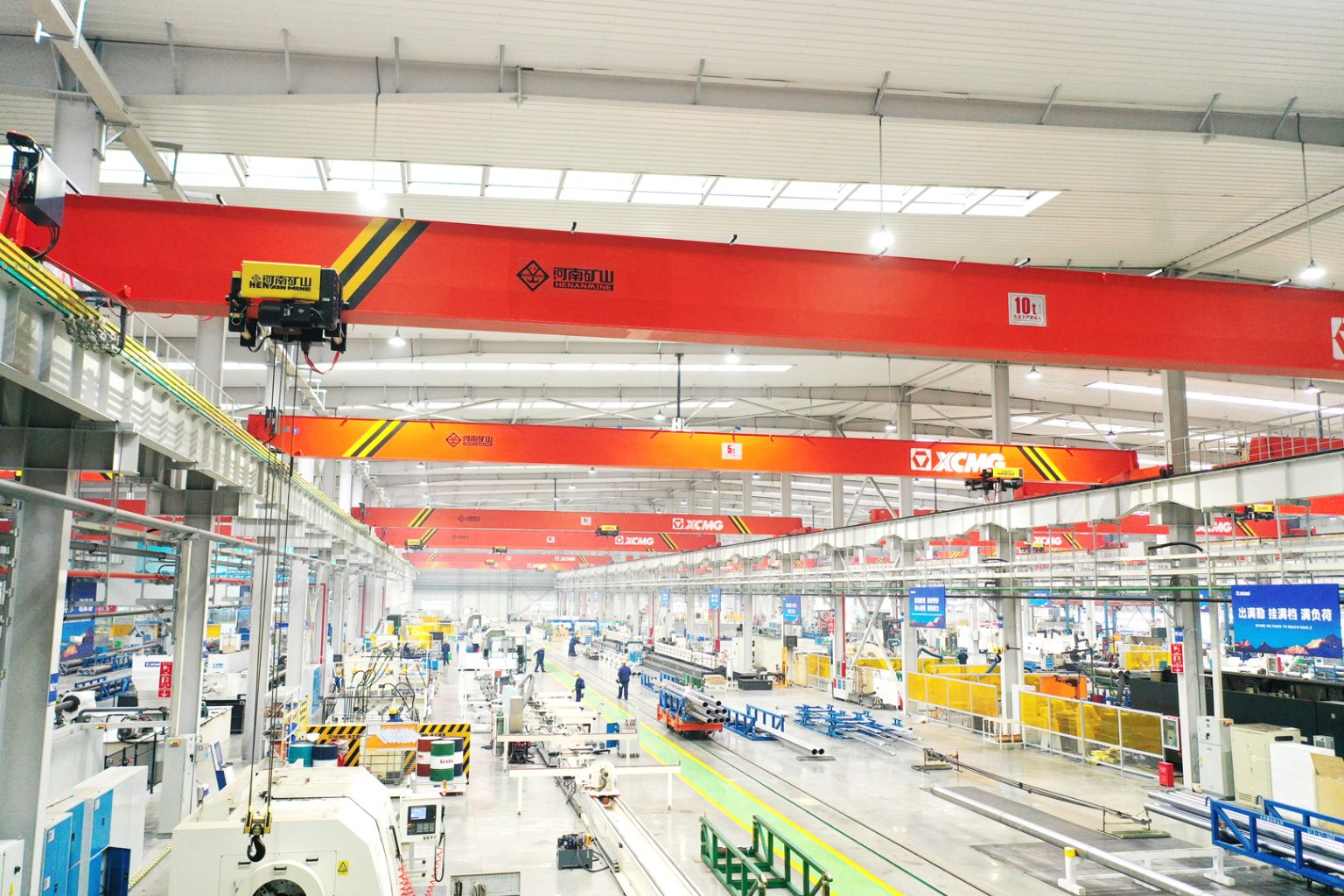
Work level is the core indicator of crane selection, the industry common CMAA A-F class division standard, based on the daily operating hours, the number of lifts per hour, the average load ratio, the operating distance classified levels. Carbon products factories are mostly continuous, high-frequency operations, mostly suitable for D-F heavy grade, extra-heavy grade work level; if the misuse of A-B light equipment, will lead to rapid wear and tear of the equipment, frequent failures, and planted potential safety hazards.
Adaptation of Space Parameters
Combined with the plant span, effective lifting height, top clearance and site obstacle layout, the span, operation mode and structure form of the crane are accurately determined. At the same time, according to the load bearing conditions of the plant, single girder, double girder, top mounted, bottom mounted and other suitable models are reasonably selected to ensure that the equipment is installed in accordance with the rules and operates smoothly without interference.
Operational Performance and Control Mode
According to the demand of production efficiency, reasonable configuration of lifting, trolley, trolley running speed, with frequency conversion speed control system (VFD), to realize smooth starting and stopping, accurate alignment, to avoid high-speed starting and stopping caused by material shaking, dust flying.
The control mode can be handheld button, wireless remote control, cab control, etc., to meet the needs of different operating scenarios.
Environmental Adaptability
Carbon products production plants are generally characterized by high dust concentration, slightly corrosive media, temperature and humidity fluctuations and other working conditions. Cranes adapted to the working conditions must be dustproof, explosion-proof, corrosion-resistant, high and low temperature resistance, and all electrical components must be sealed and protected to meet the Class II dust and explosion-proof high-risk environment requirements.
Safety Compliance
The equipment should strictly follow OSHA 1910.179, NEC/NFPA 70 and other international industry norms, and be equipped with core safety devices such as overload protection, travel limit, emergency brake, etc., and hold formal third-party compliance certification to ensure that the equipment is ready for use and is compliant throughout the whole process, effectively avoiding the risks of safety supervision and safety hazards.
Structural Installation and System Integration
Equipment selection before the field survey of the plant load-bearing structure, verify the crane rail, bracket installation conditions, while taking into account the installation period and later equipment expansion and transformation needs. Ensure that the lifting equipment can be seamlessly linked with the plant's conveyor equipment, dust removal systems, automated production lines, perfectly adapted to the overall production process.
Full Life Cycle Operation and Maintenance Benefits
Crane selection can not only focus on the initial procurement costs, but also need to comprehensively consider the later operation and maintenance, parts replacement, energy consumption, downtime losses and other life cycle costs. High-quality carbon products crane, although the initial investment is high, but the failure rate is low, easy operation and maintenance, longer service life, long-term comprehensive cost-effective advantage.
Budget and Customization Needs
Combined with the overall project budget, a reasonable balance between the standardized configuration of equipment and personalized customization needs. For special material forms and complex site layout conditions, we can customize exclusive equipment structure, lifting attachments and protection solutions, so that we can accurately control the project investment while strictly adhering to the bottom line of safety and compliance, and realize cost reduction and efficiency.
Selecting the Right Crane Type for Carbon Product Handling
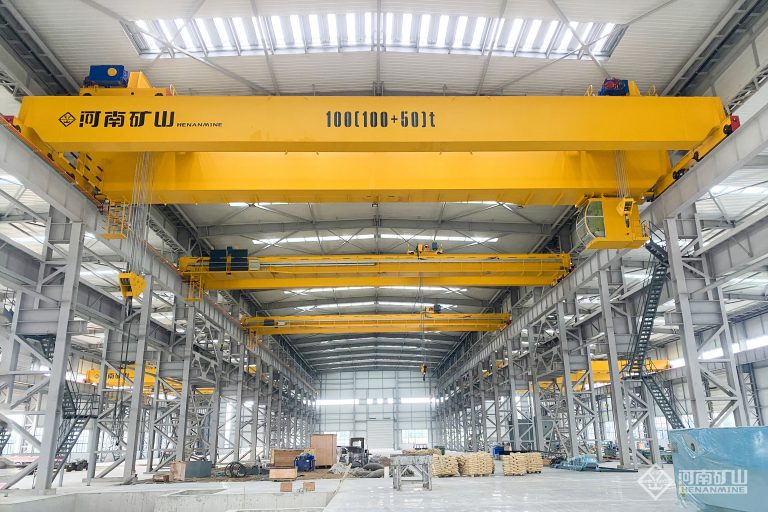
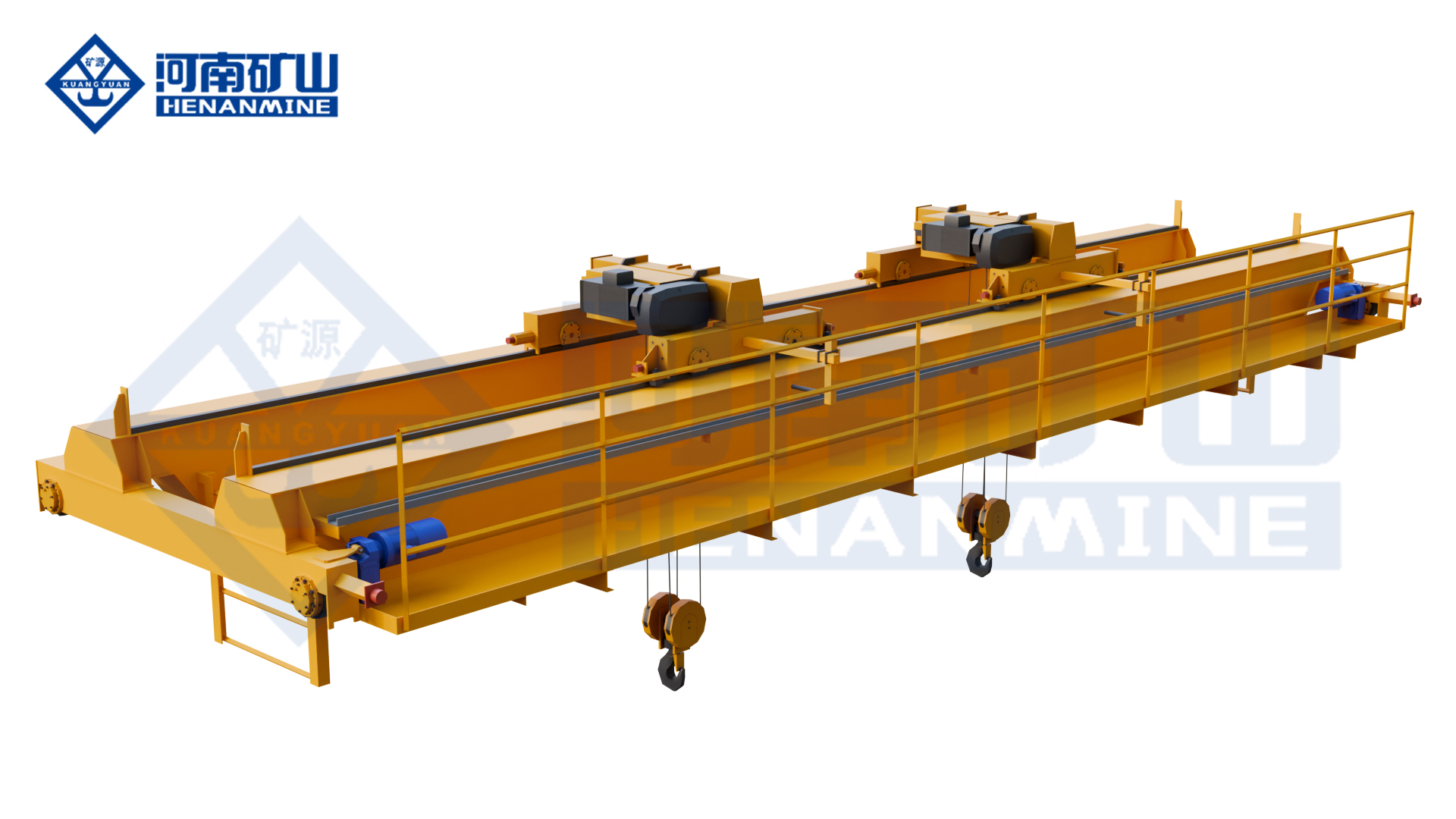
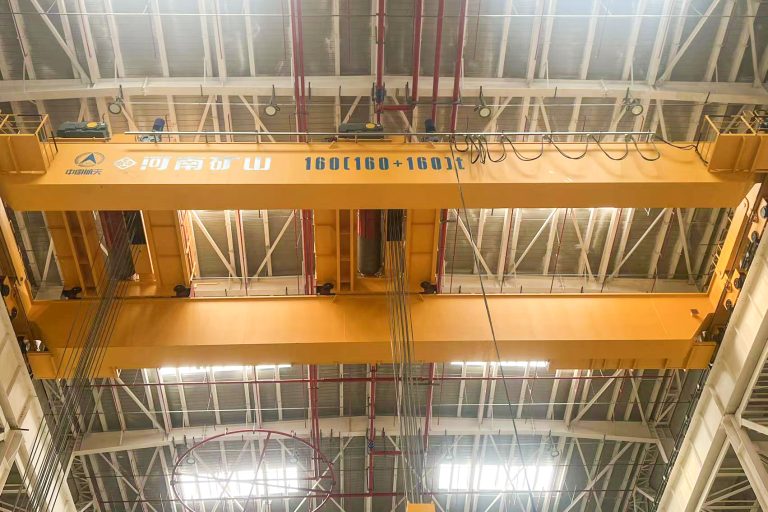
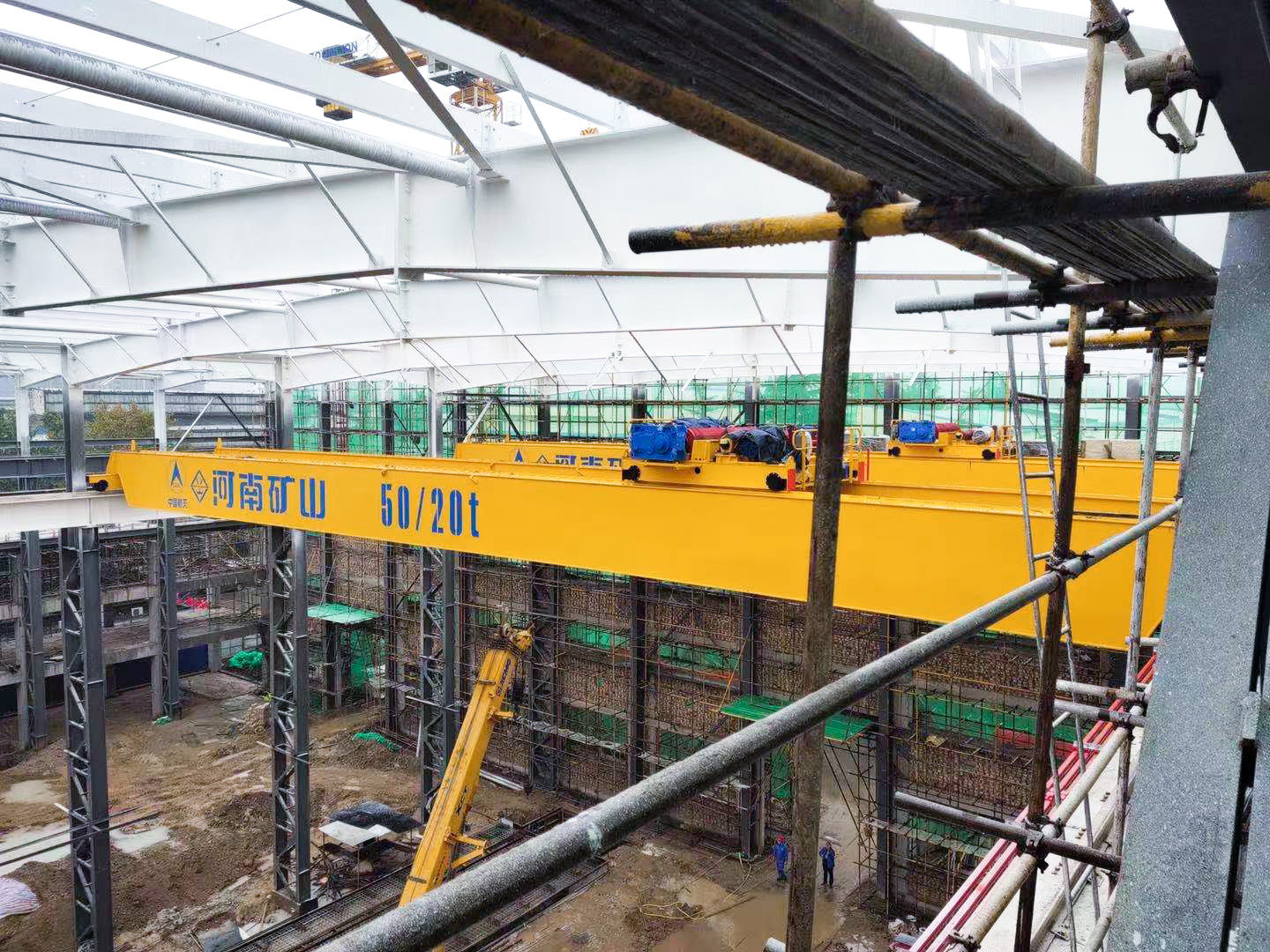
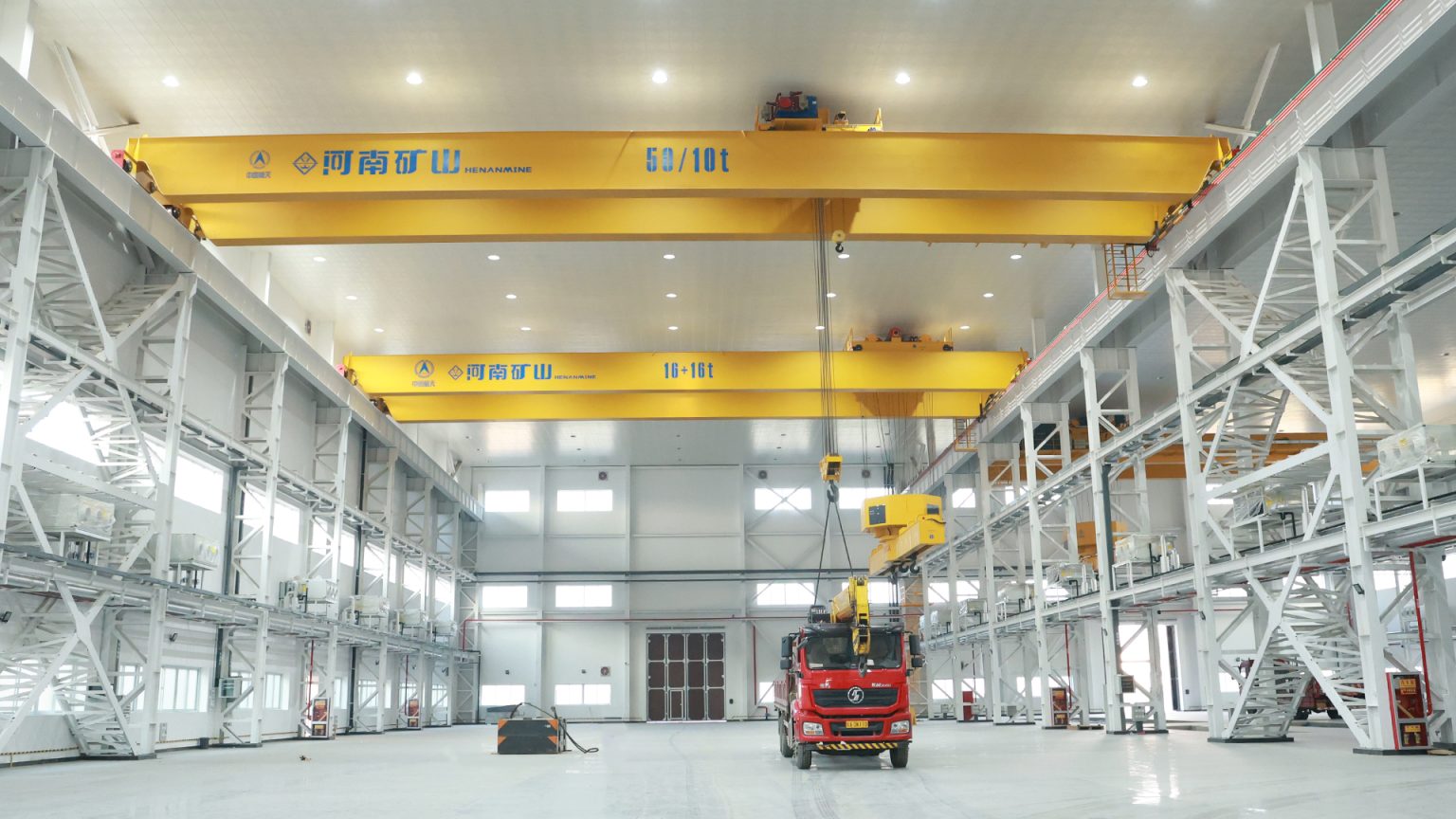
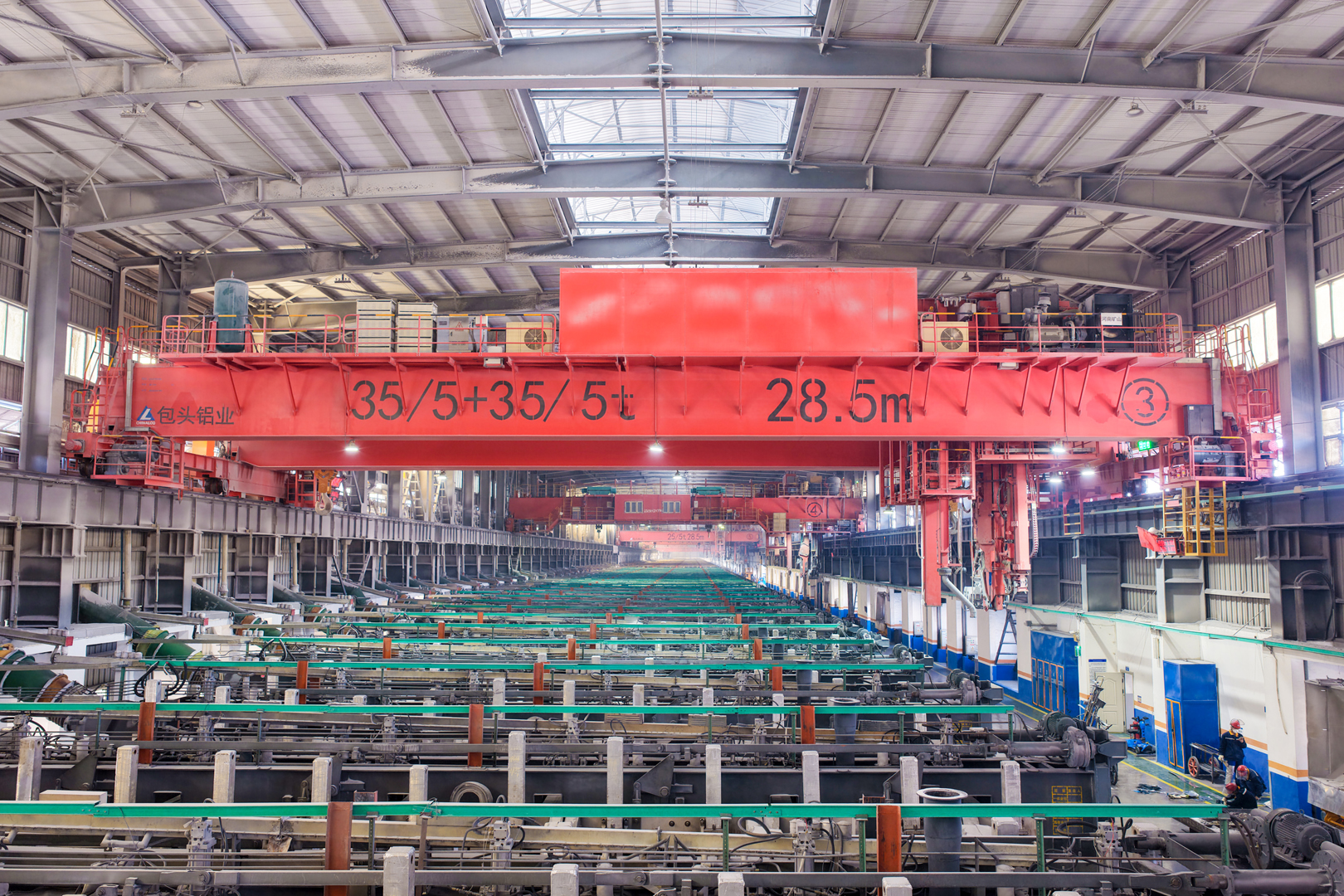
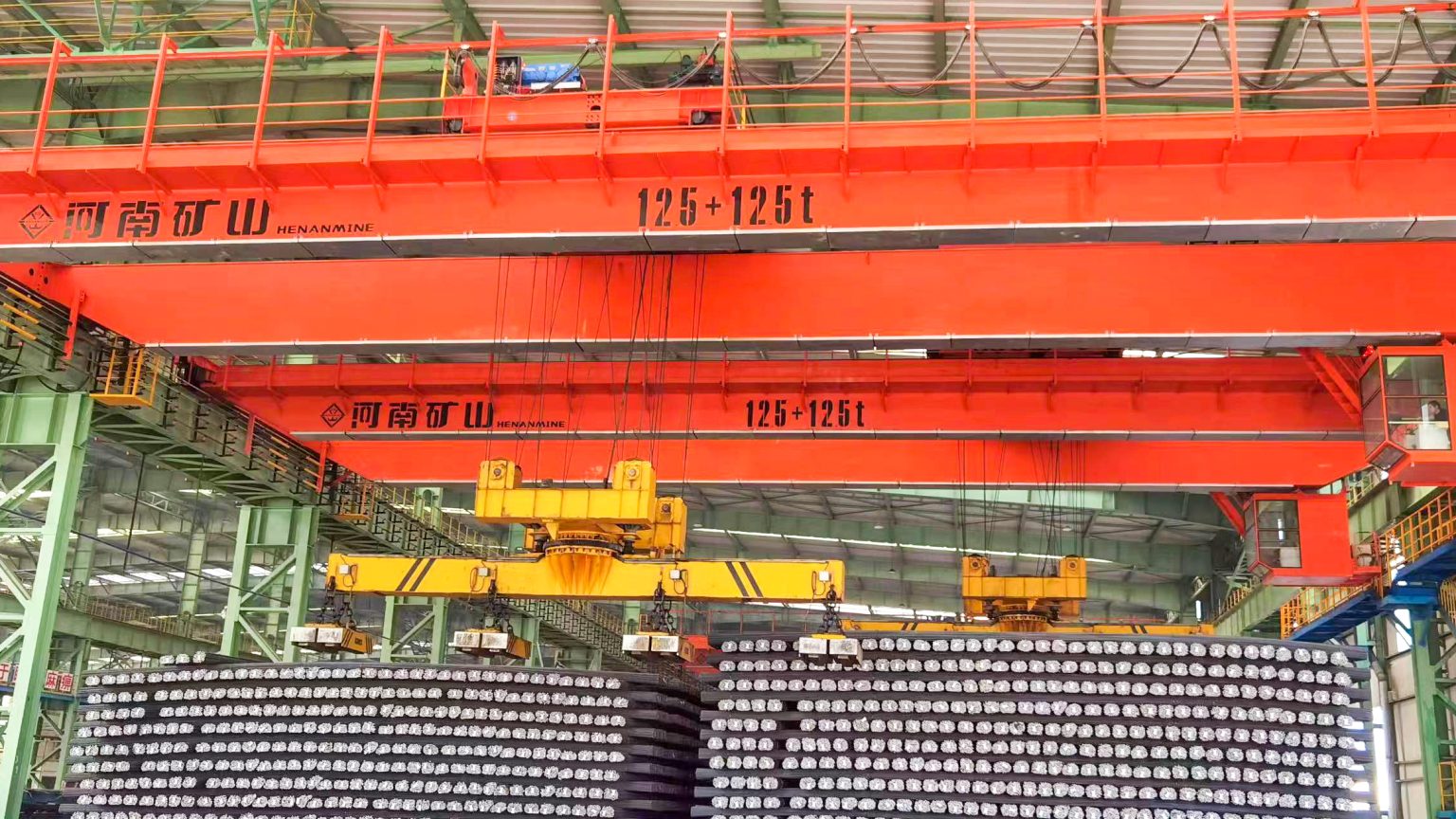
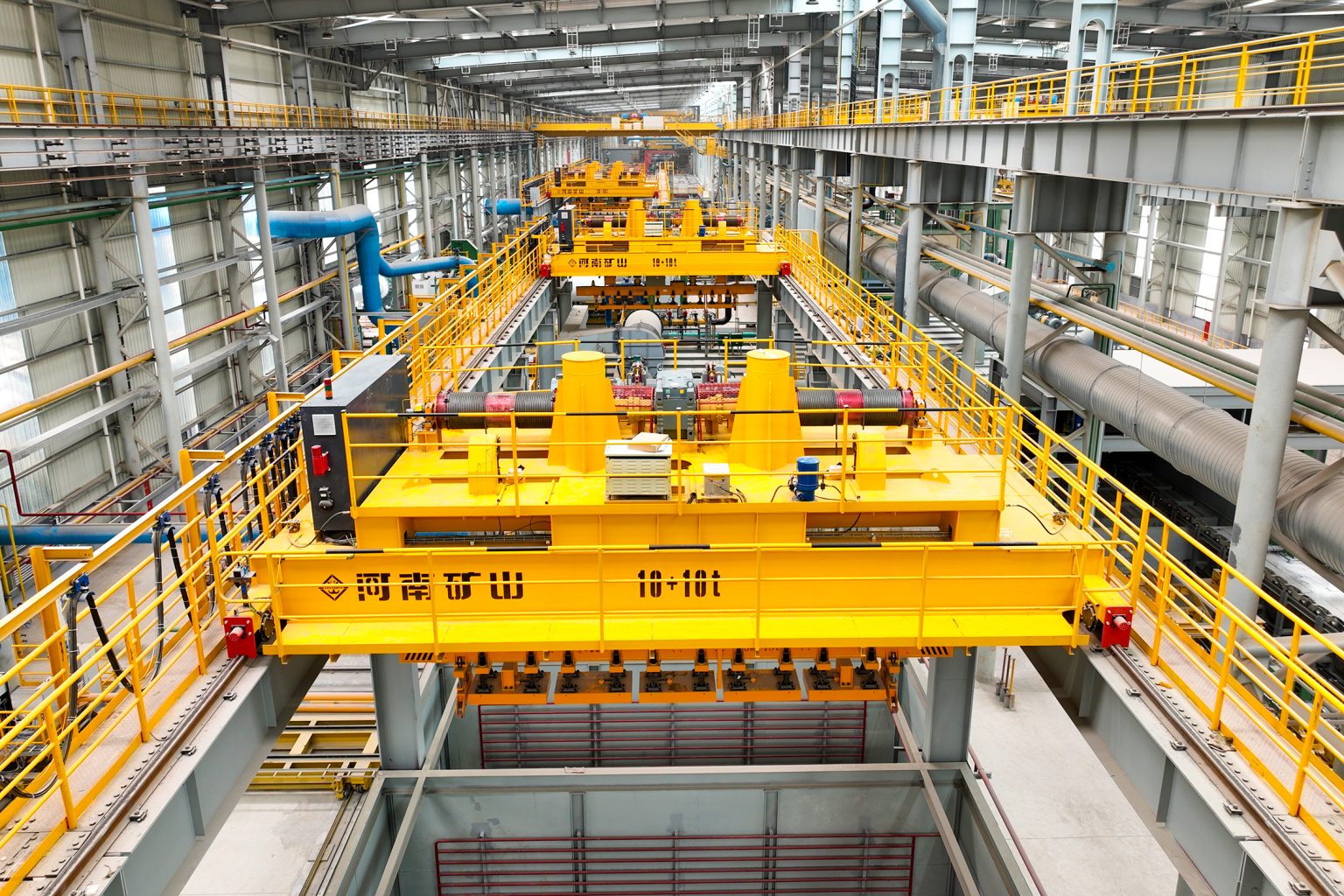
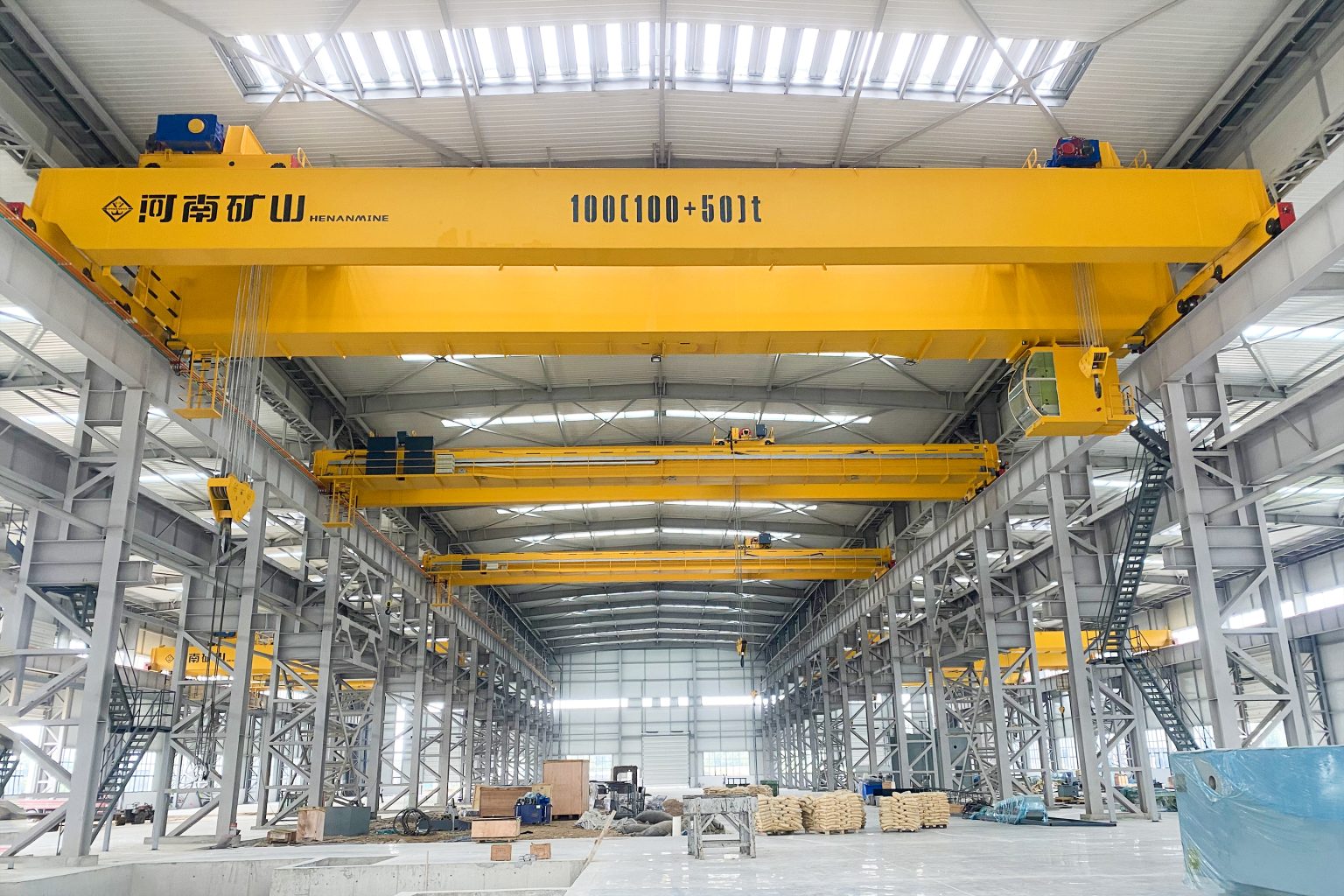
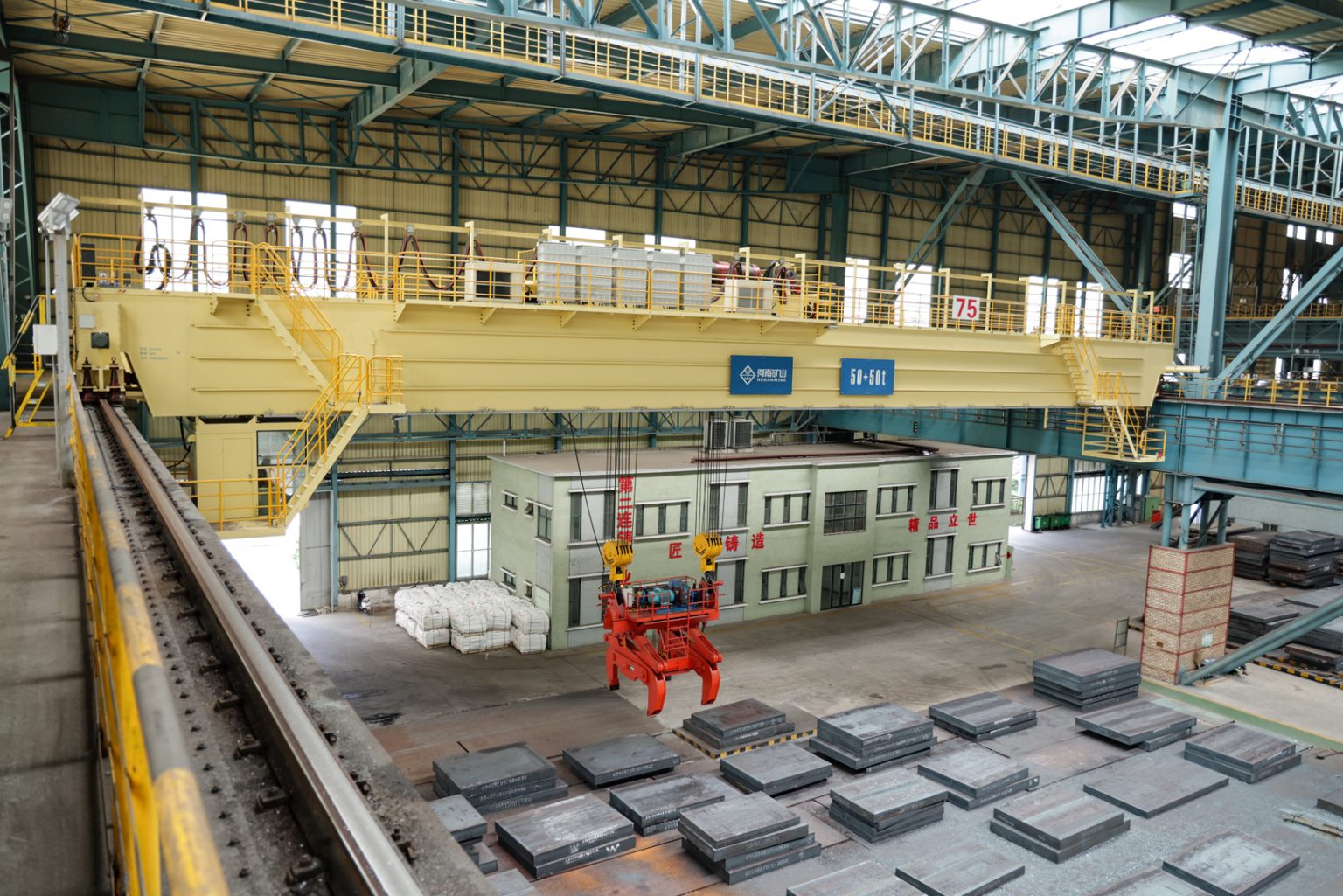
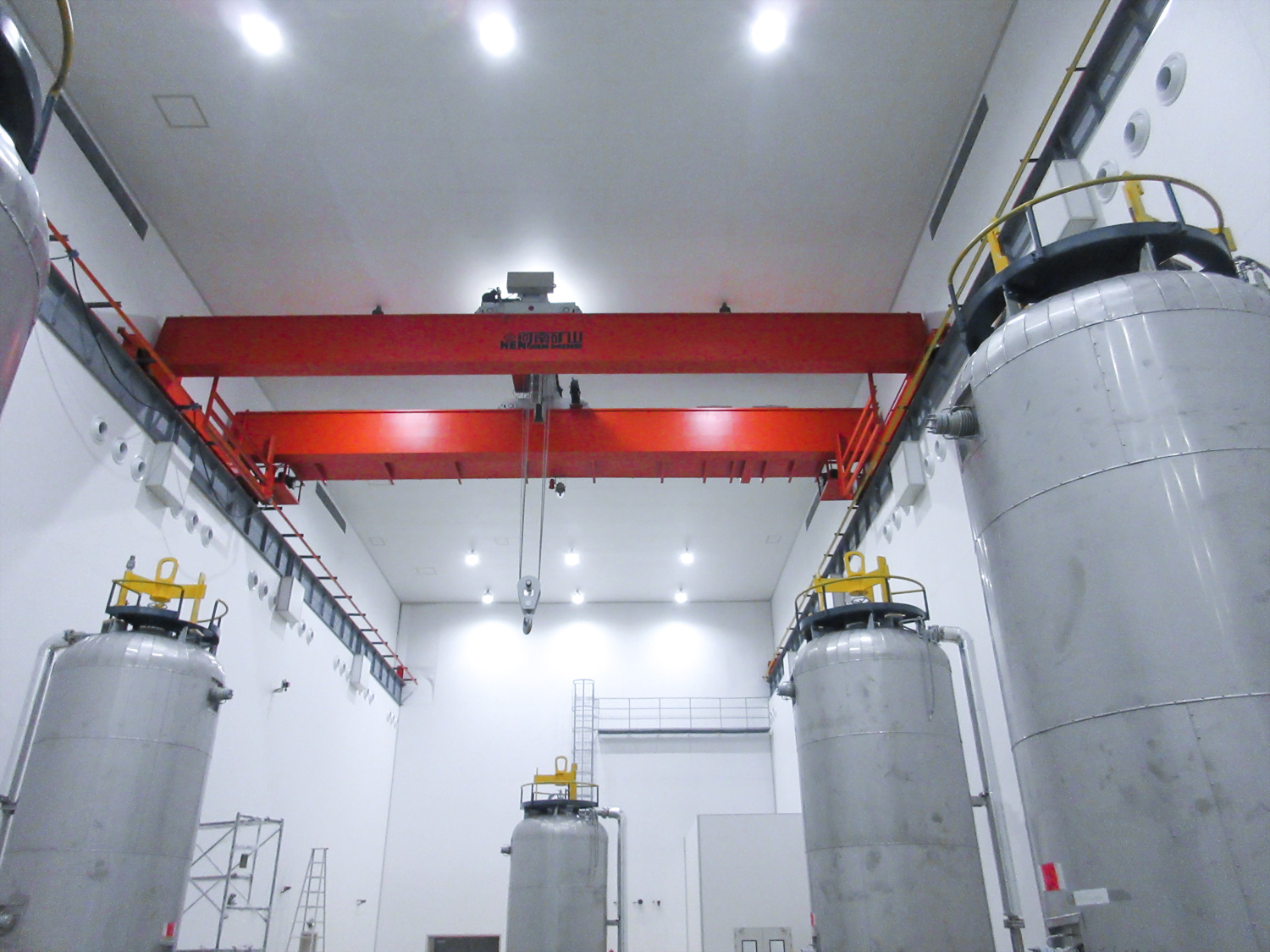
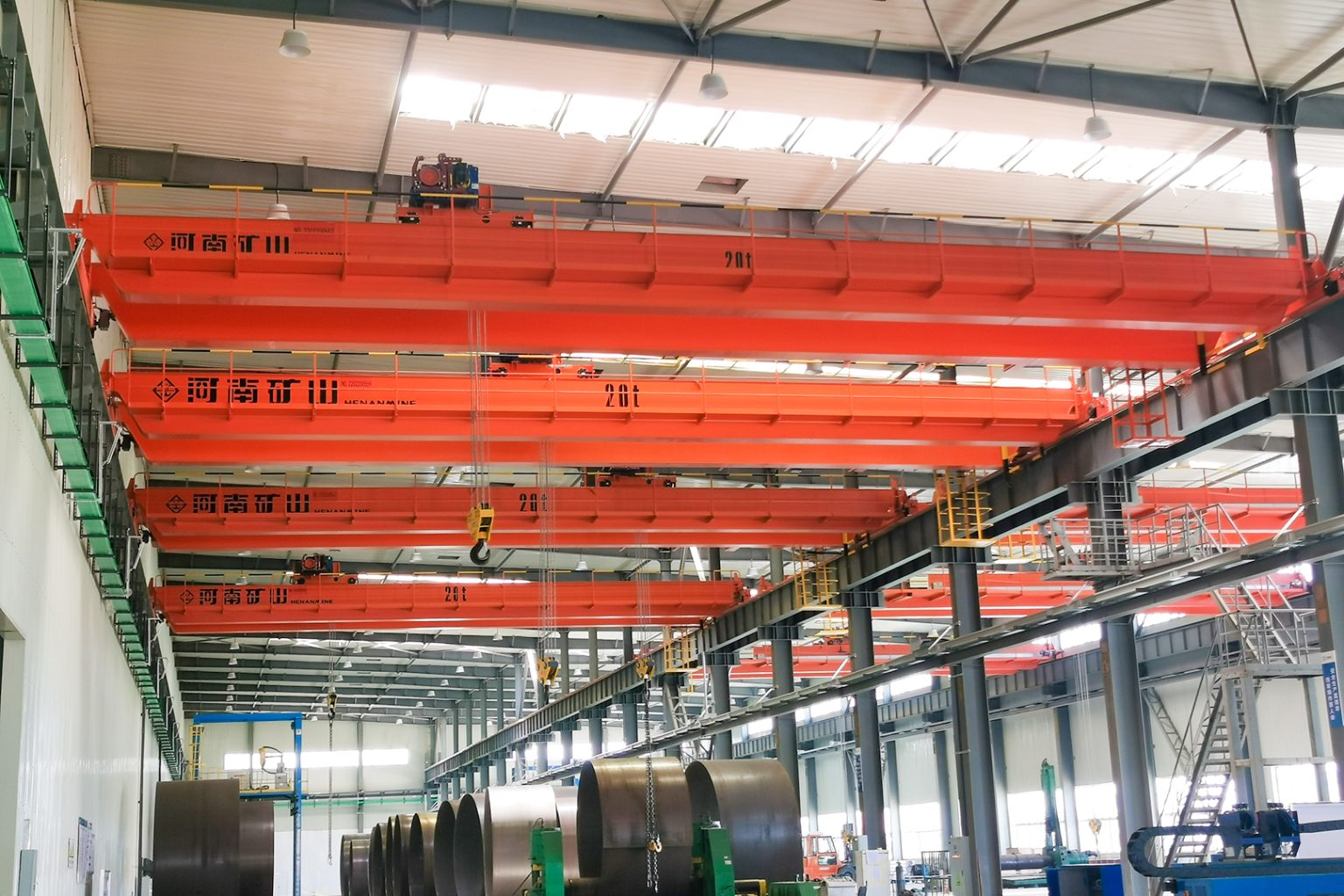
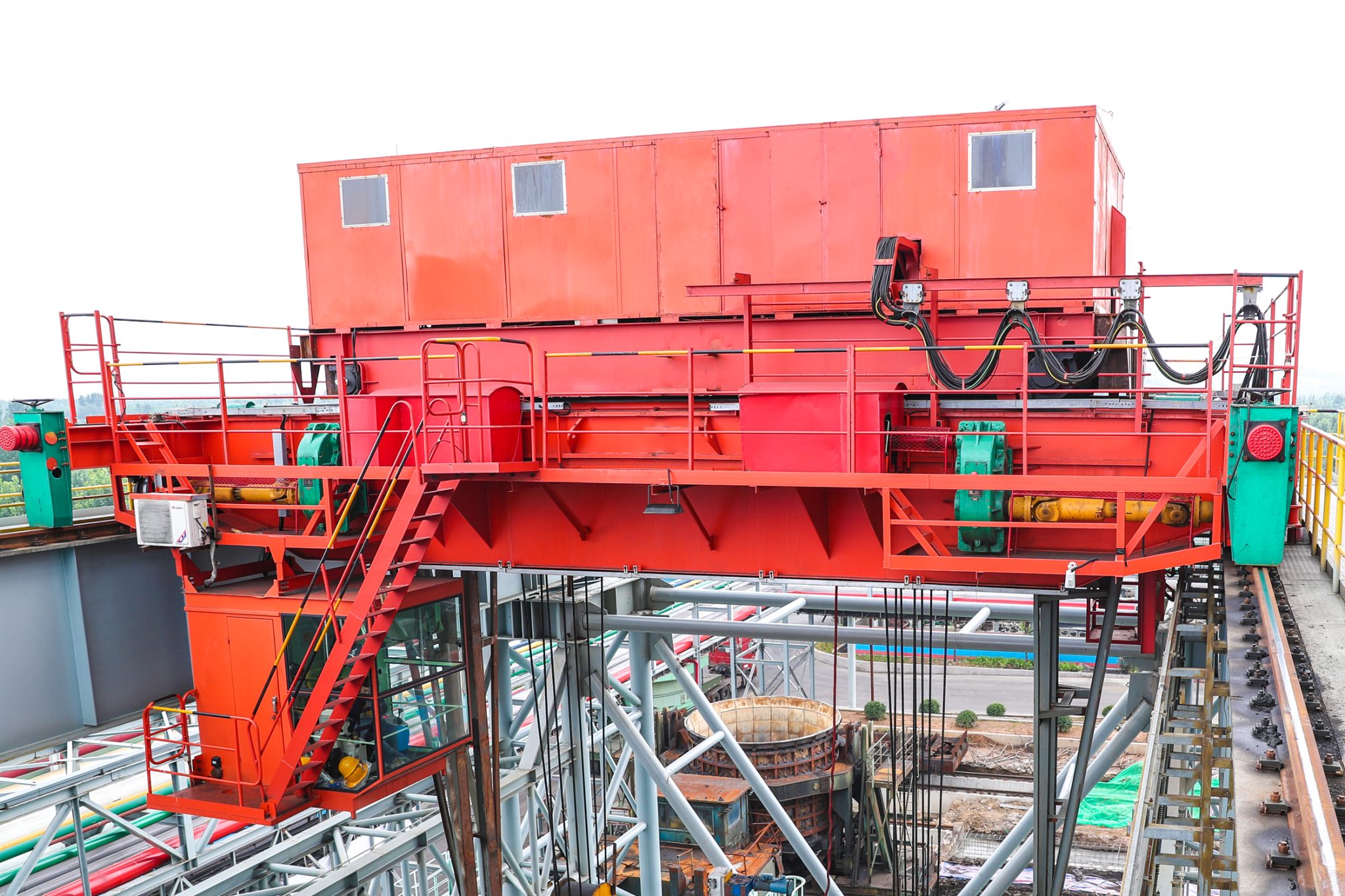
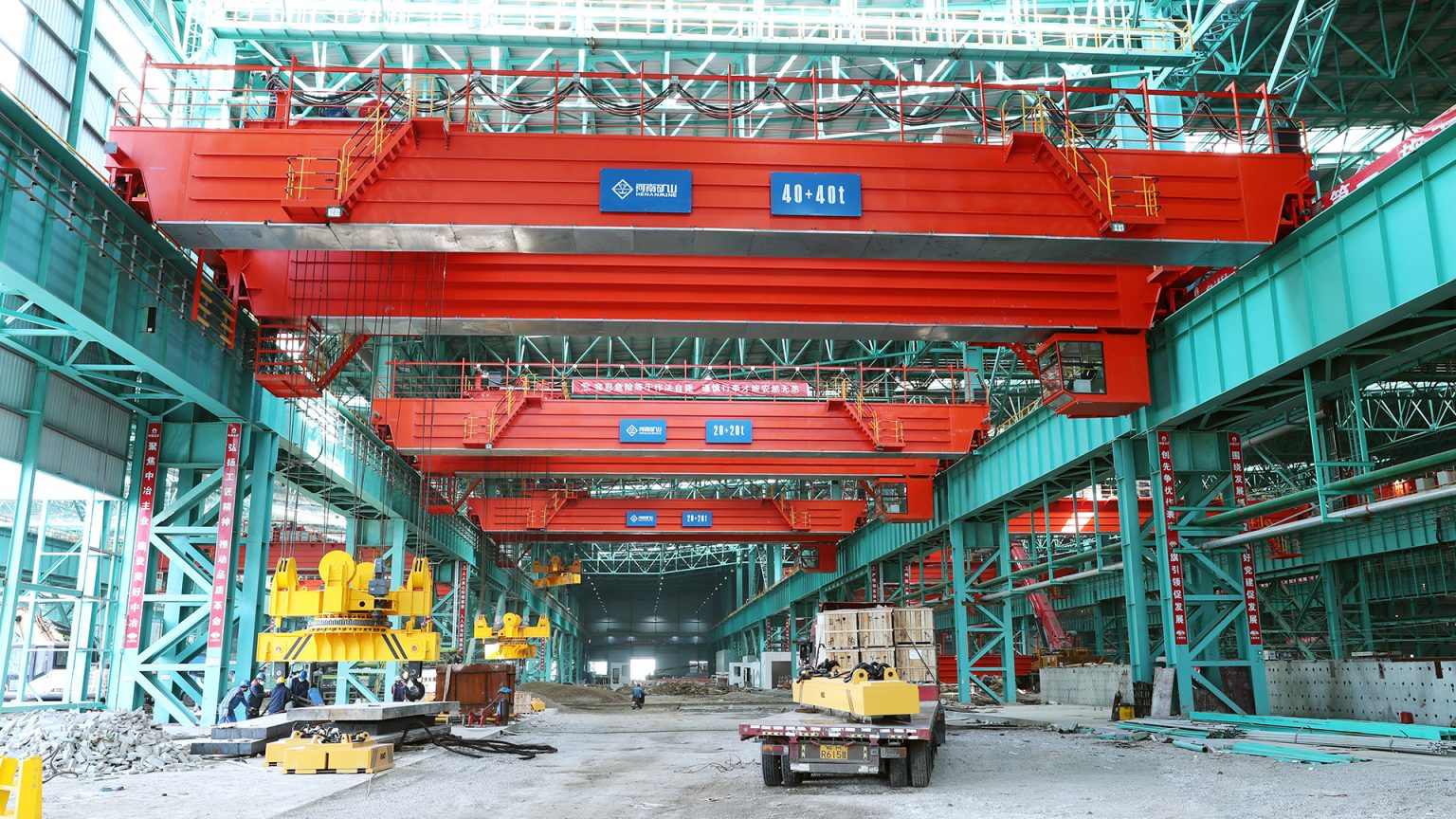
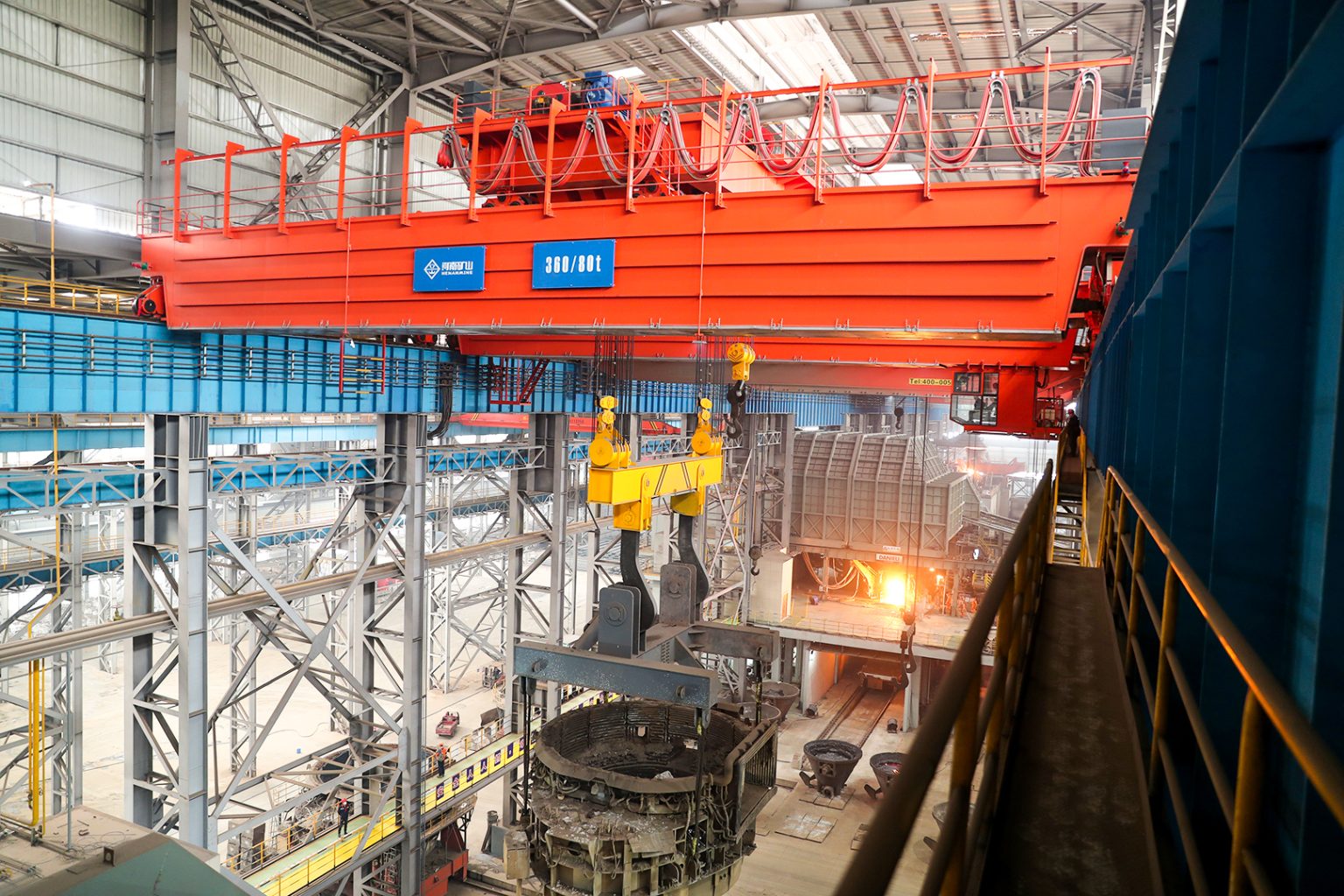
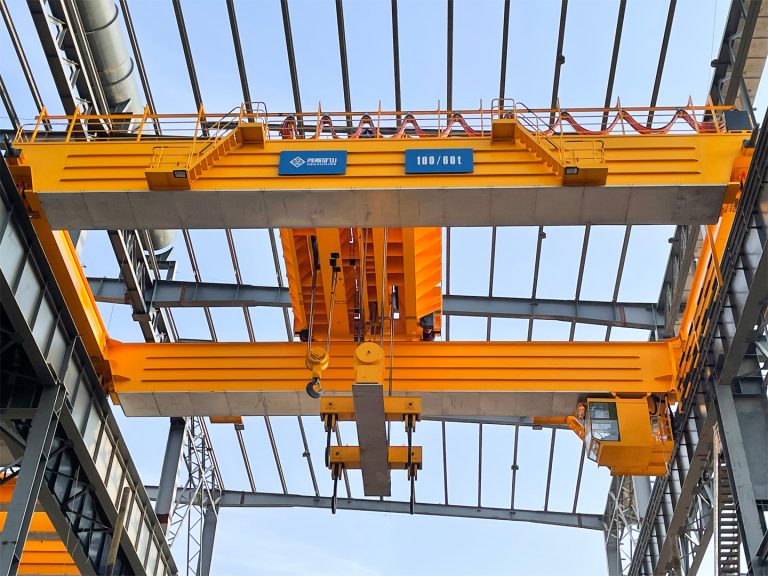
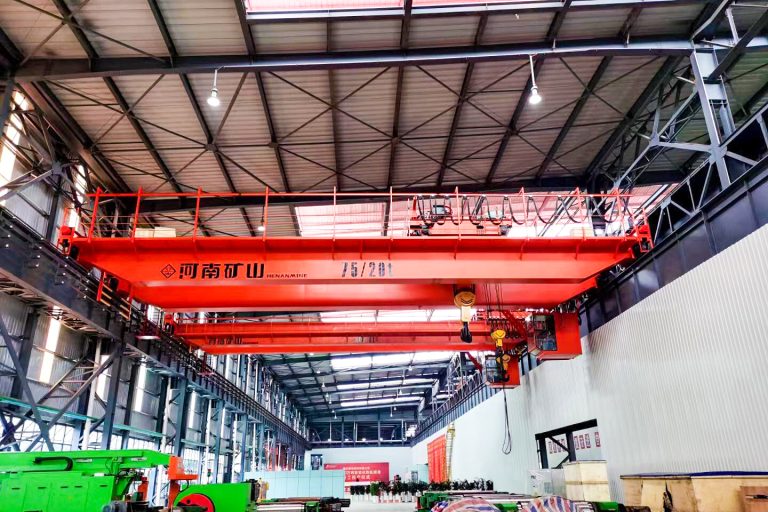
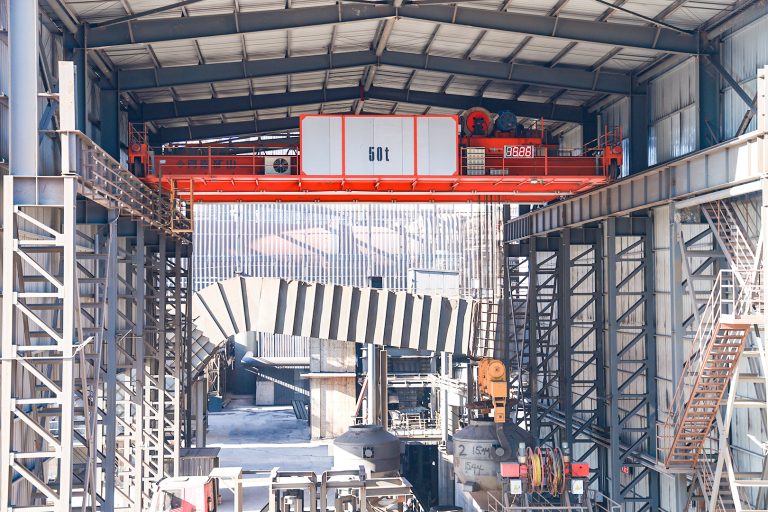
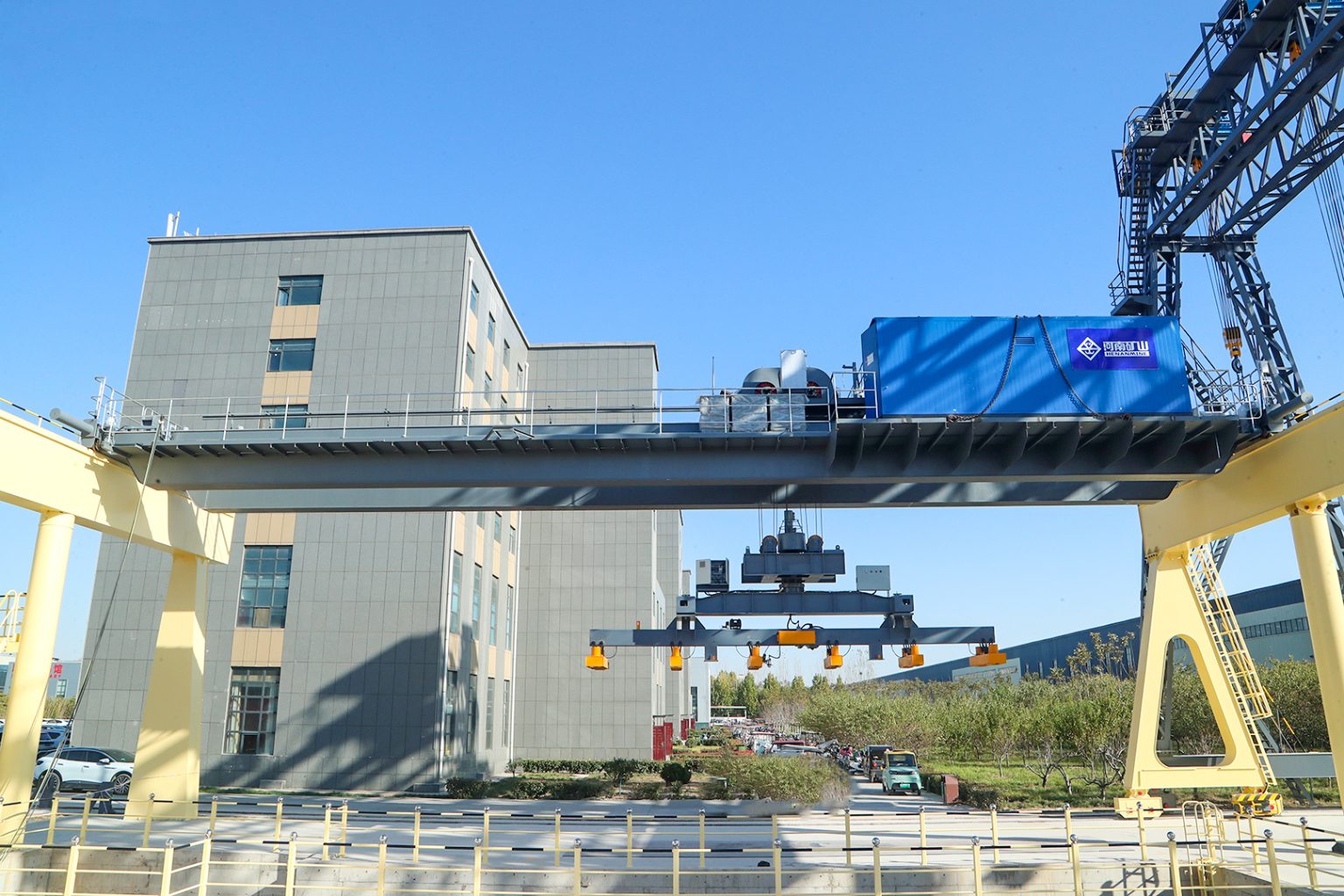
Explosion-Proof Overhead Bridge Cranes
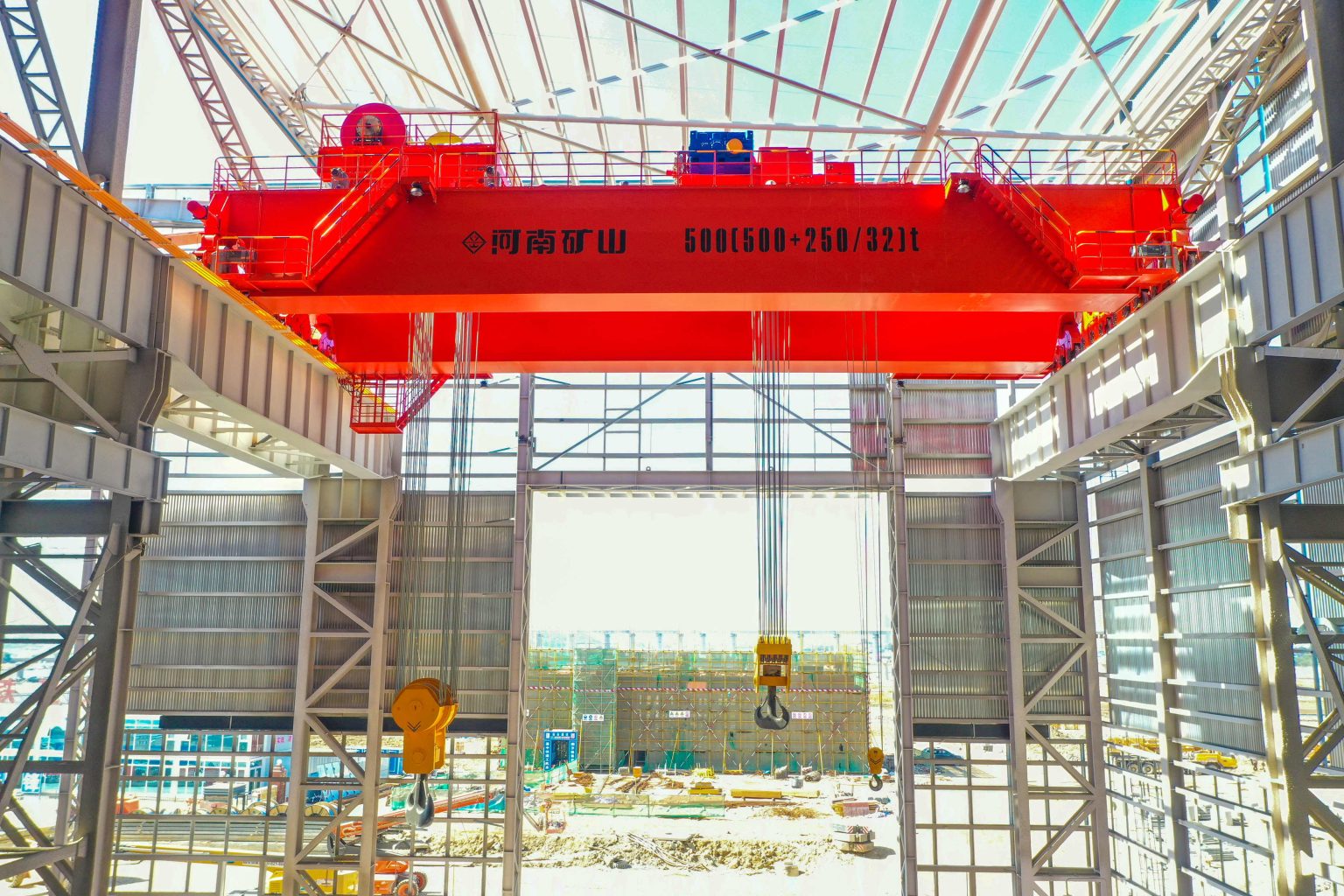
This model is the preferred equipment for indoor production, packaging and storage of carbon products. Equipped with Class II Zone 1 / Zone 2, Group F exclusive explosion-proof motor, brake and control system, NEMA 9 dustproof and explosion-proof sealed cabinet, equipped with bronze, stainless steel and other non-sparking parts.
The whole machine is grounded and anti-static, which can completely eliminate the ignition source. The equipment covers a wide range, high positioning accuracy, suitable for high-frequency heavy-duty operations, suitable for normalized, repetitive carbon material lifting operations in the workshop, with optimal comprehensive safety and stability.
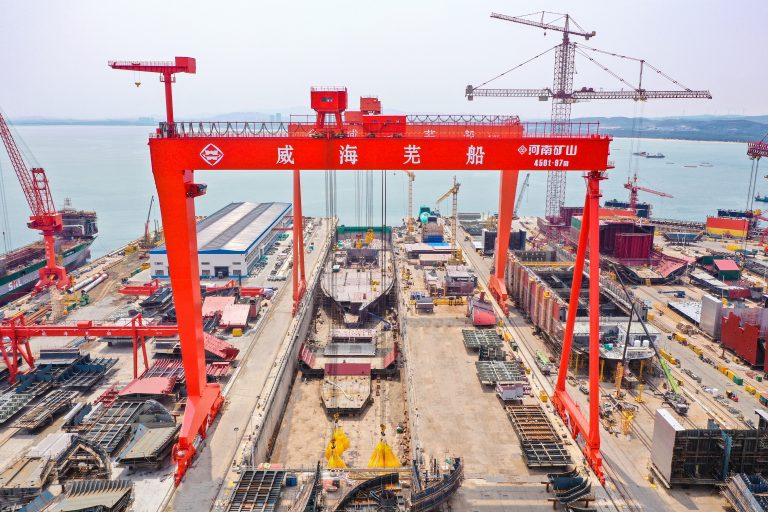
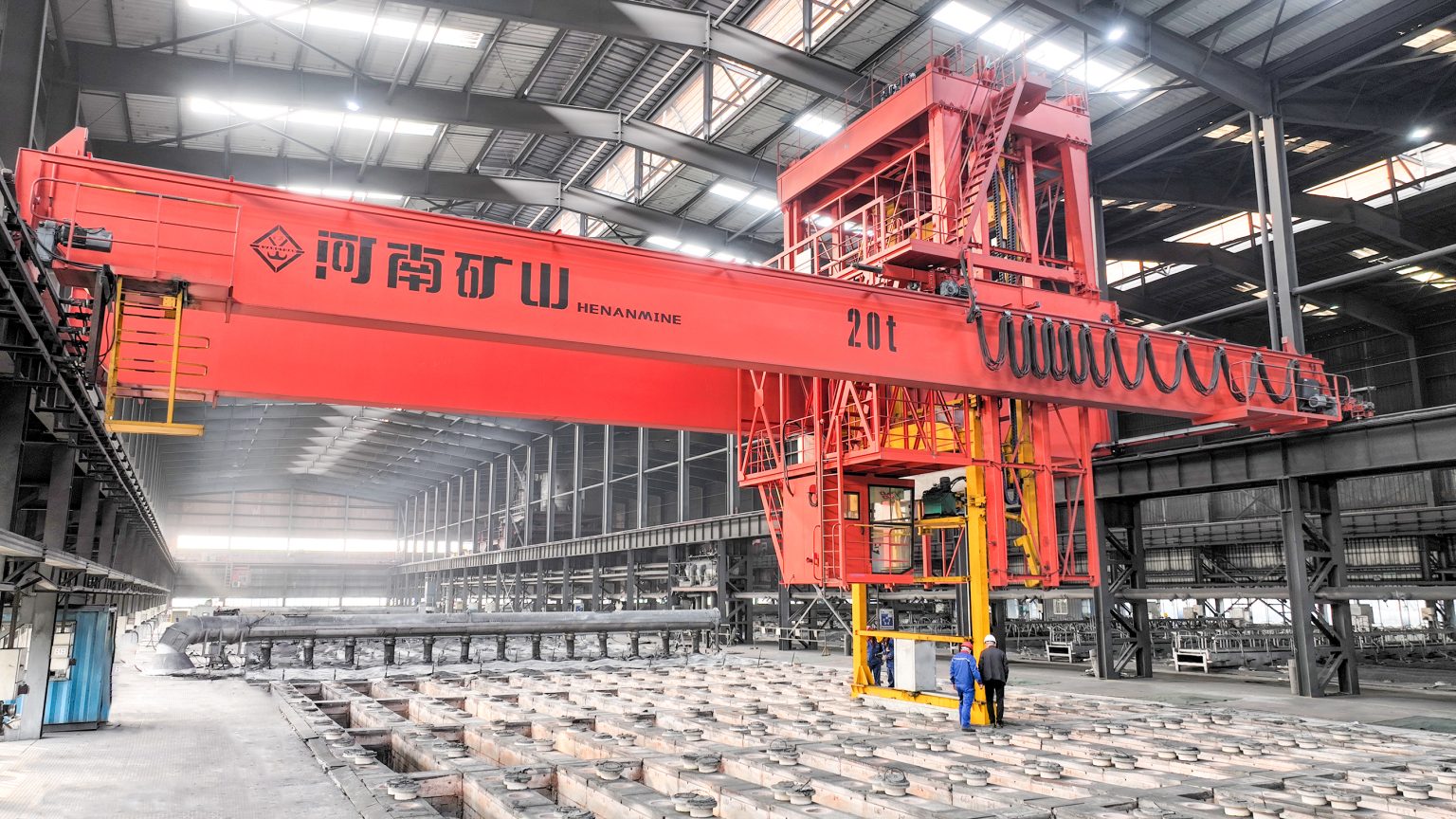
Explosion-Proof Gantry Cranes
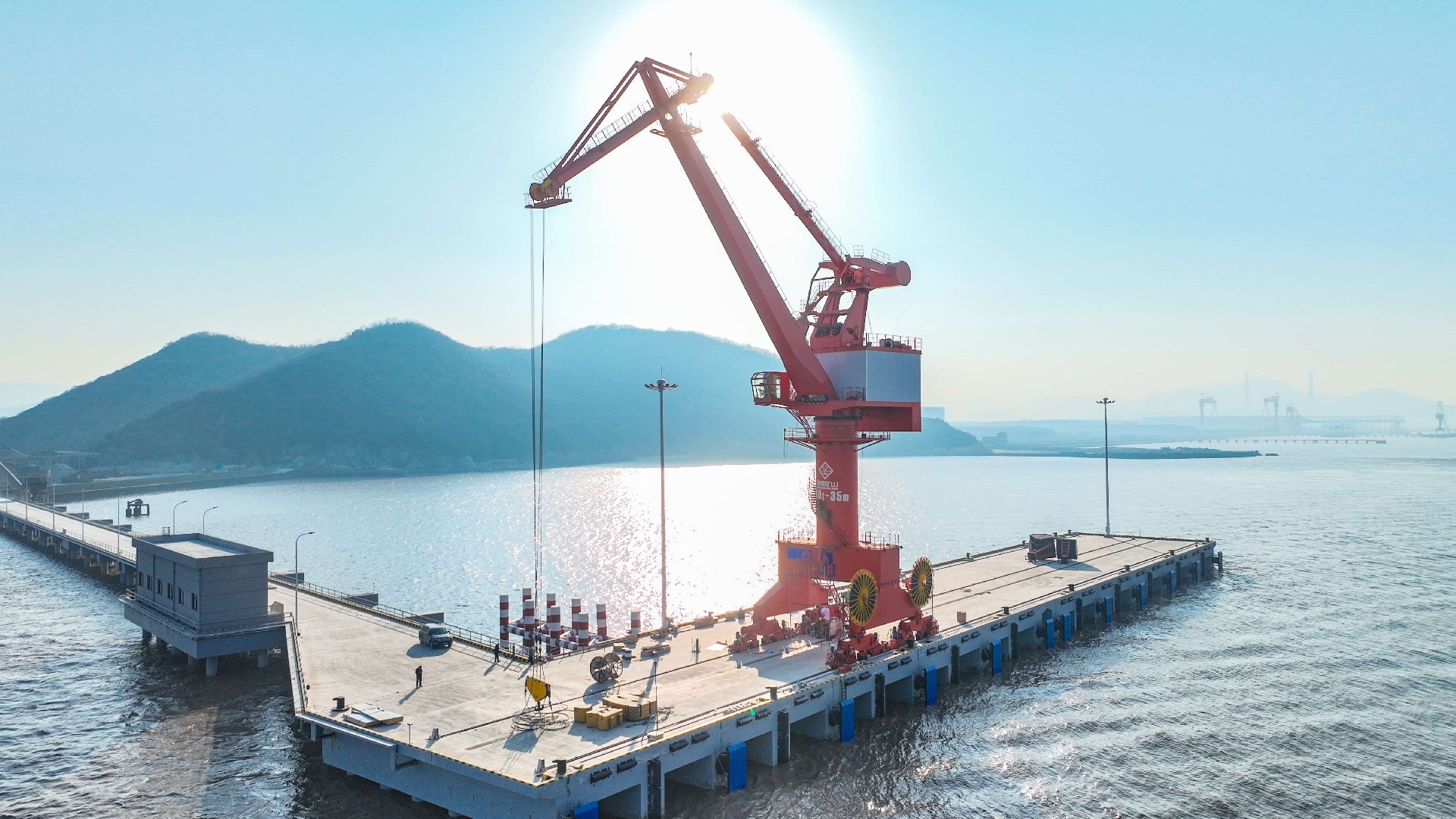
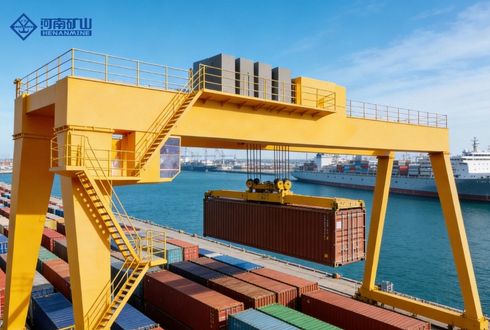
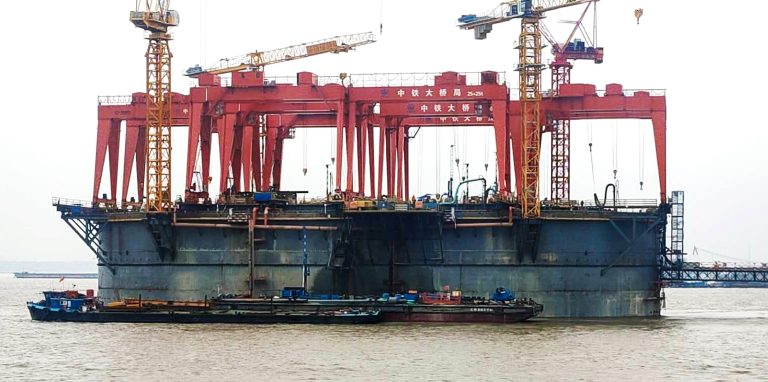
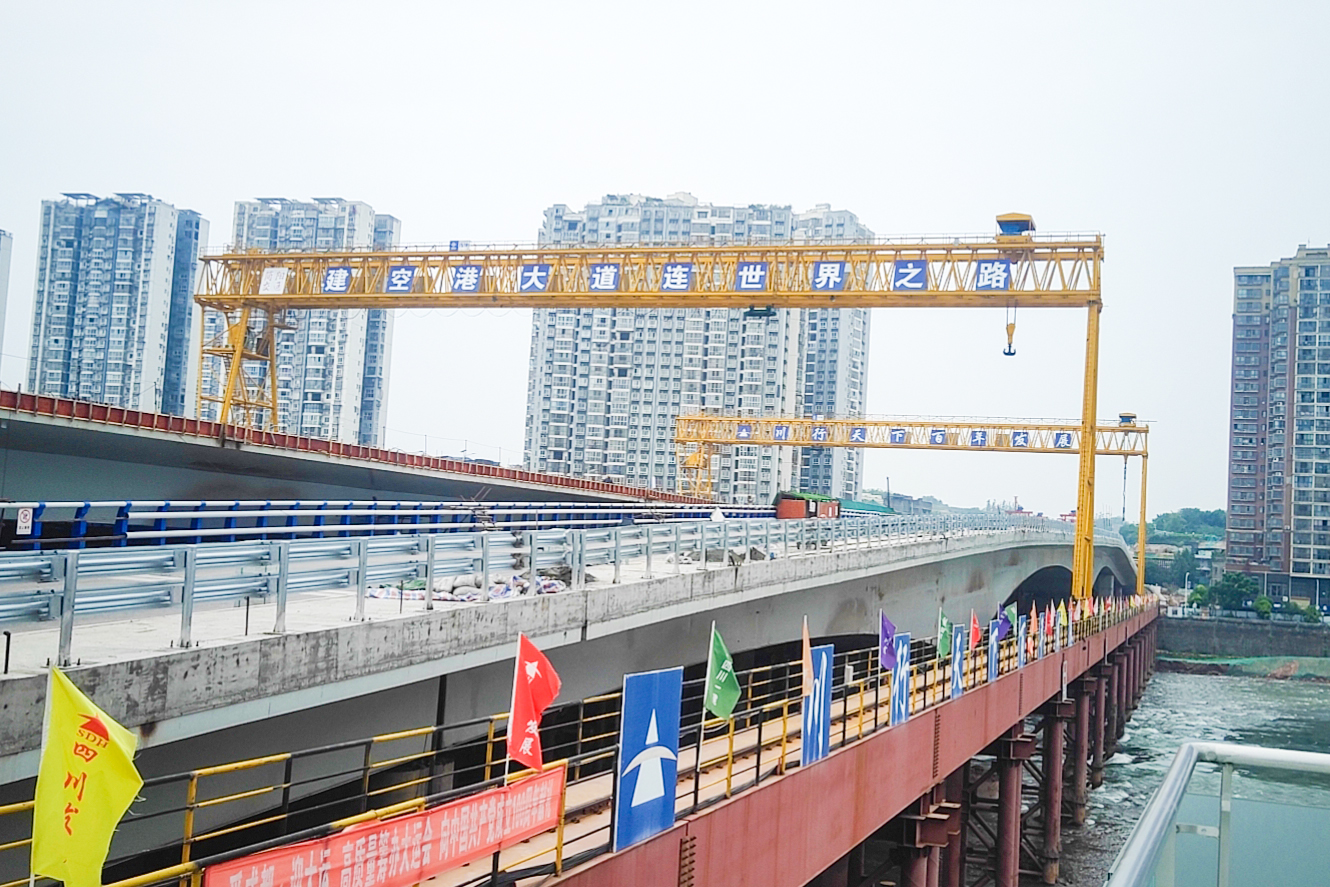
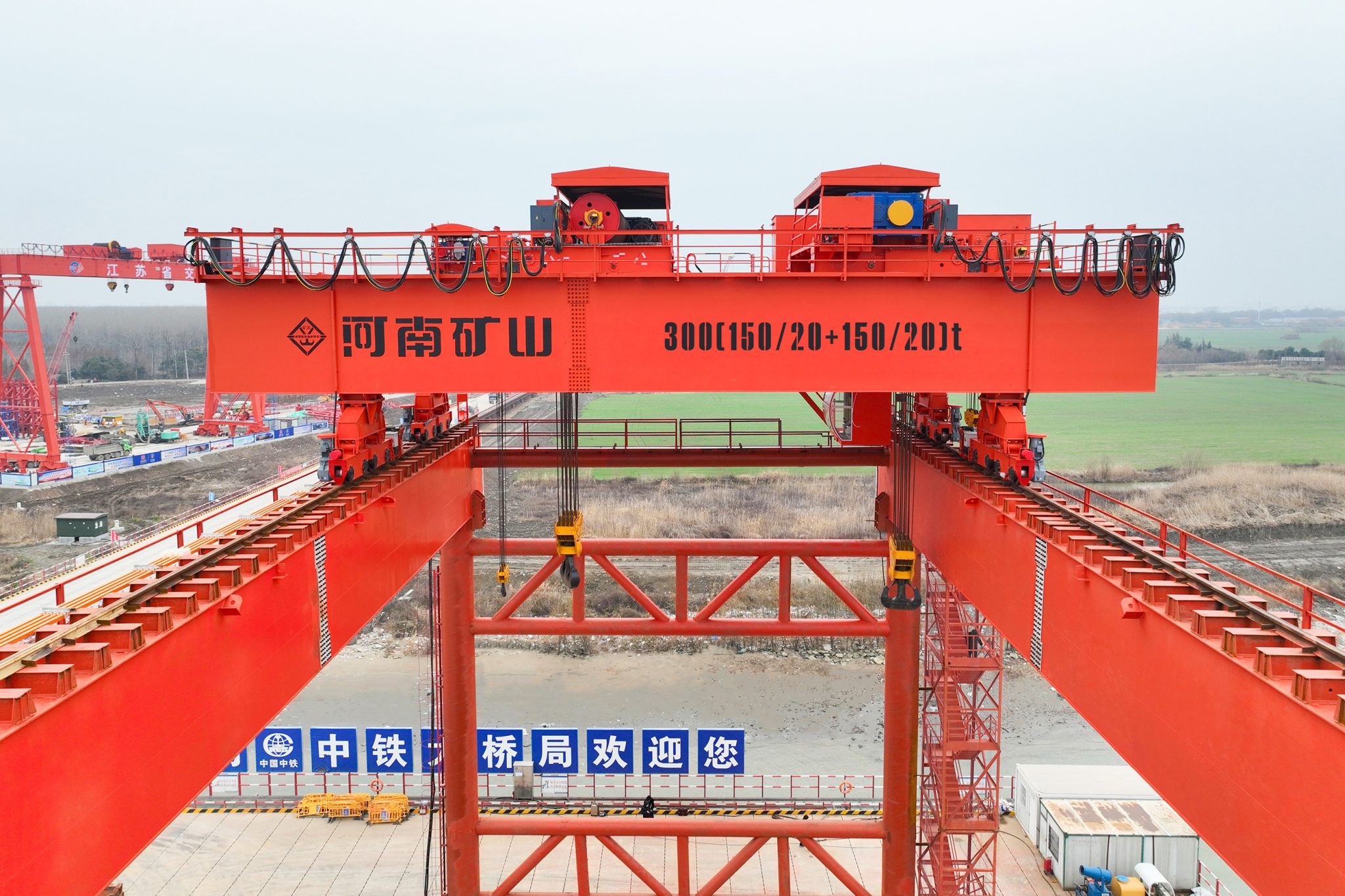
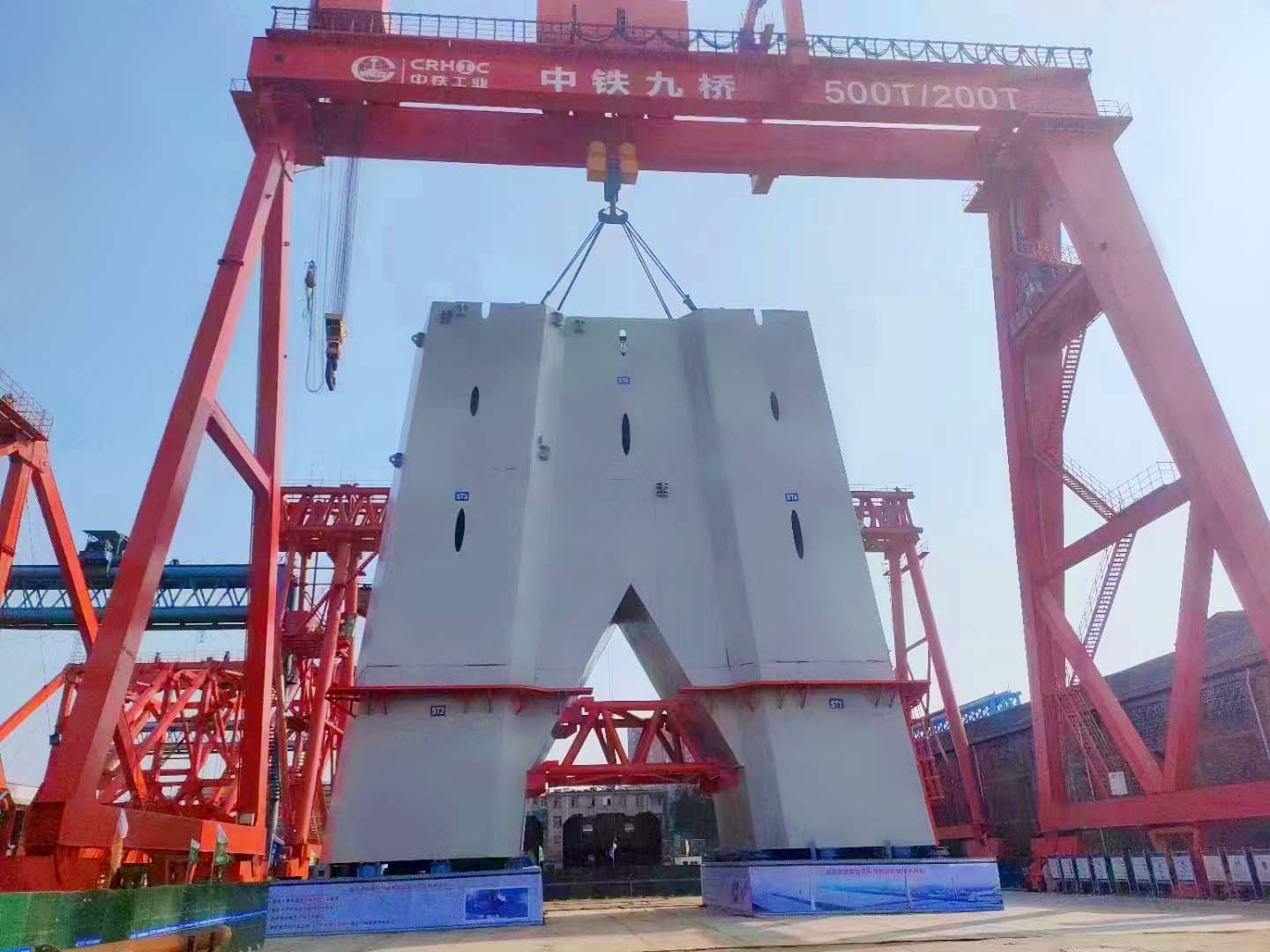
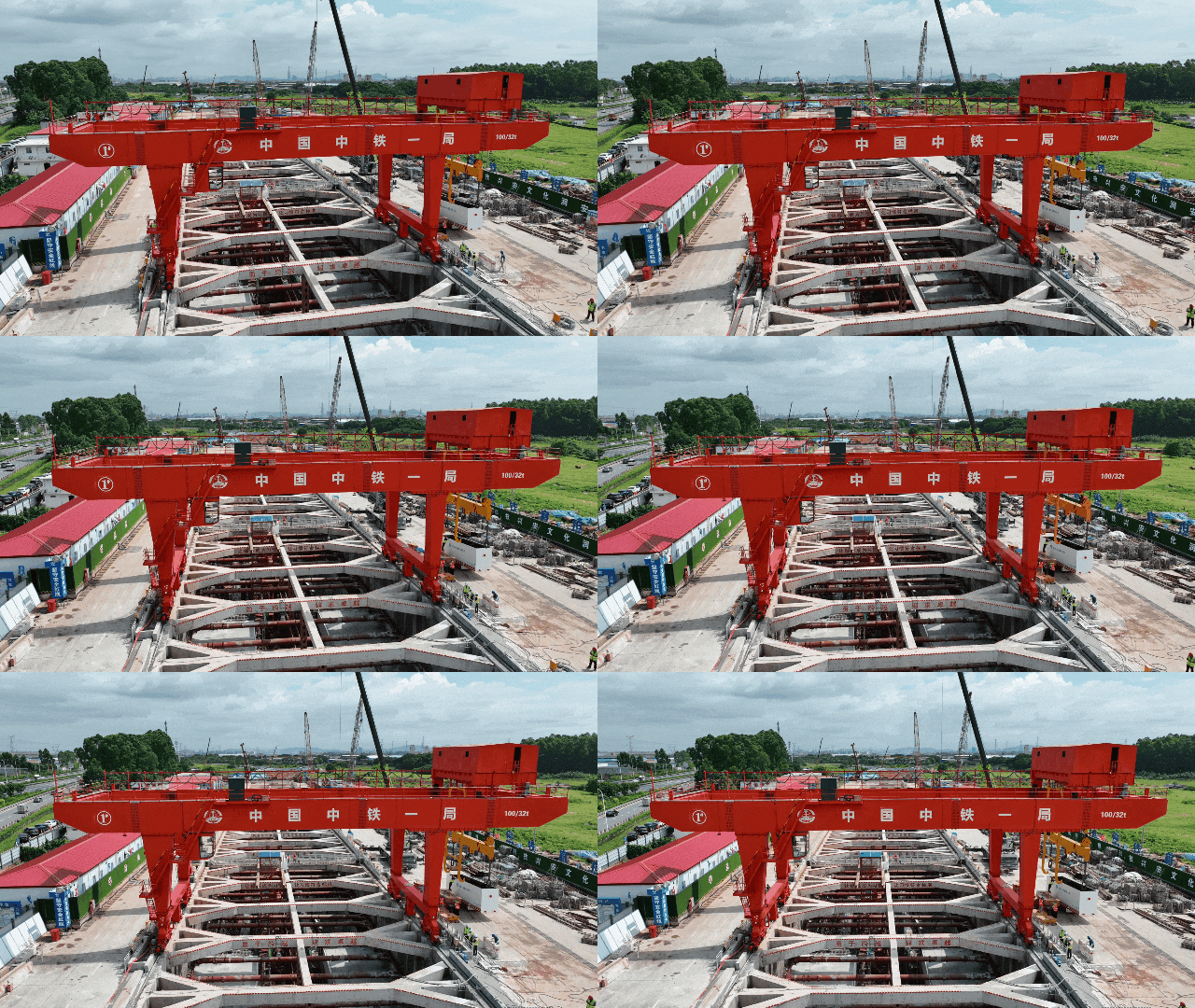
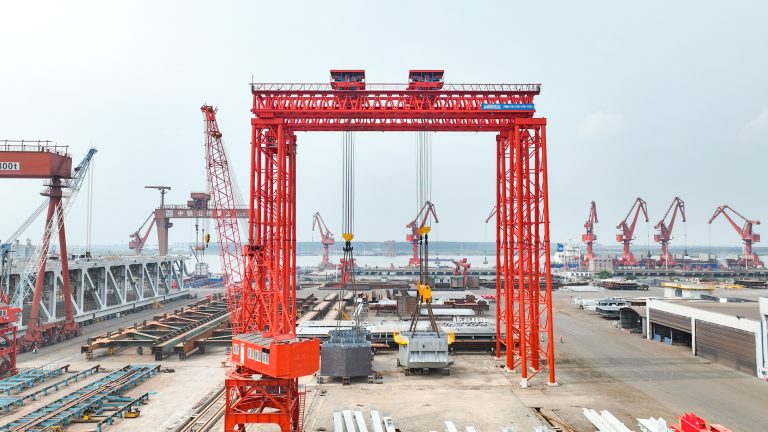
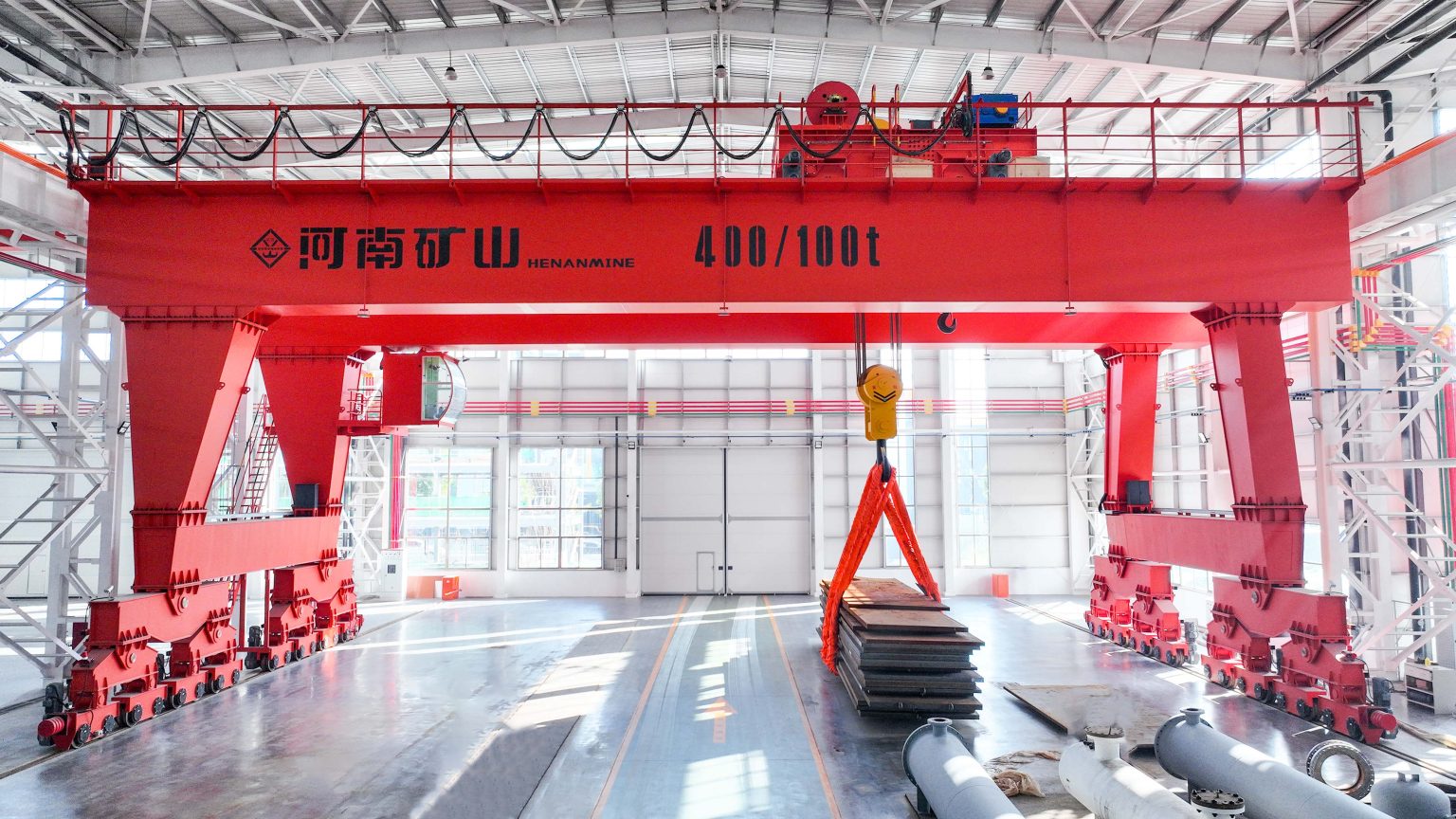
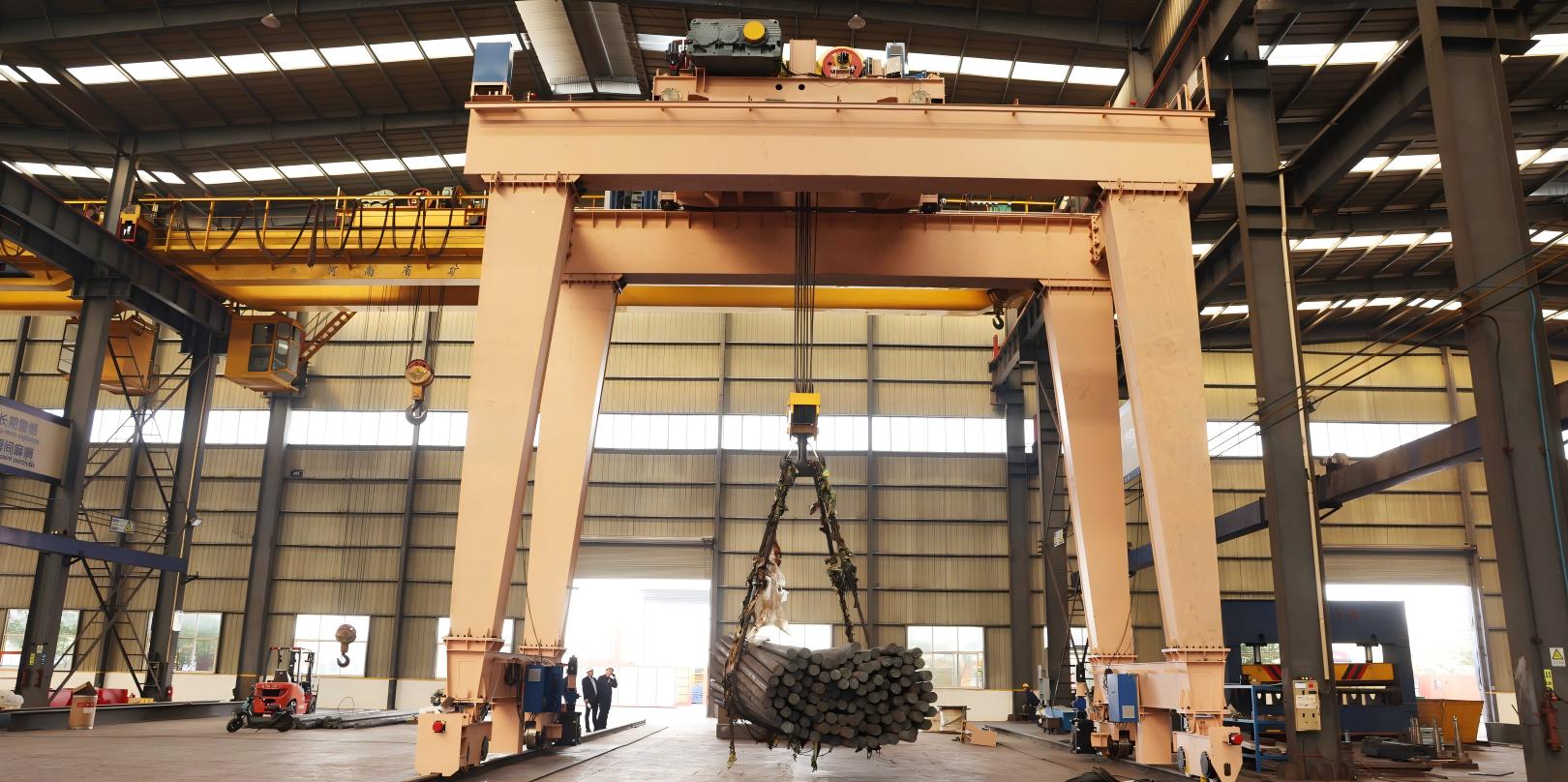
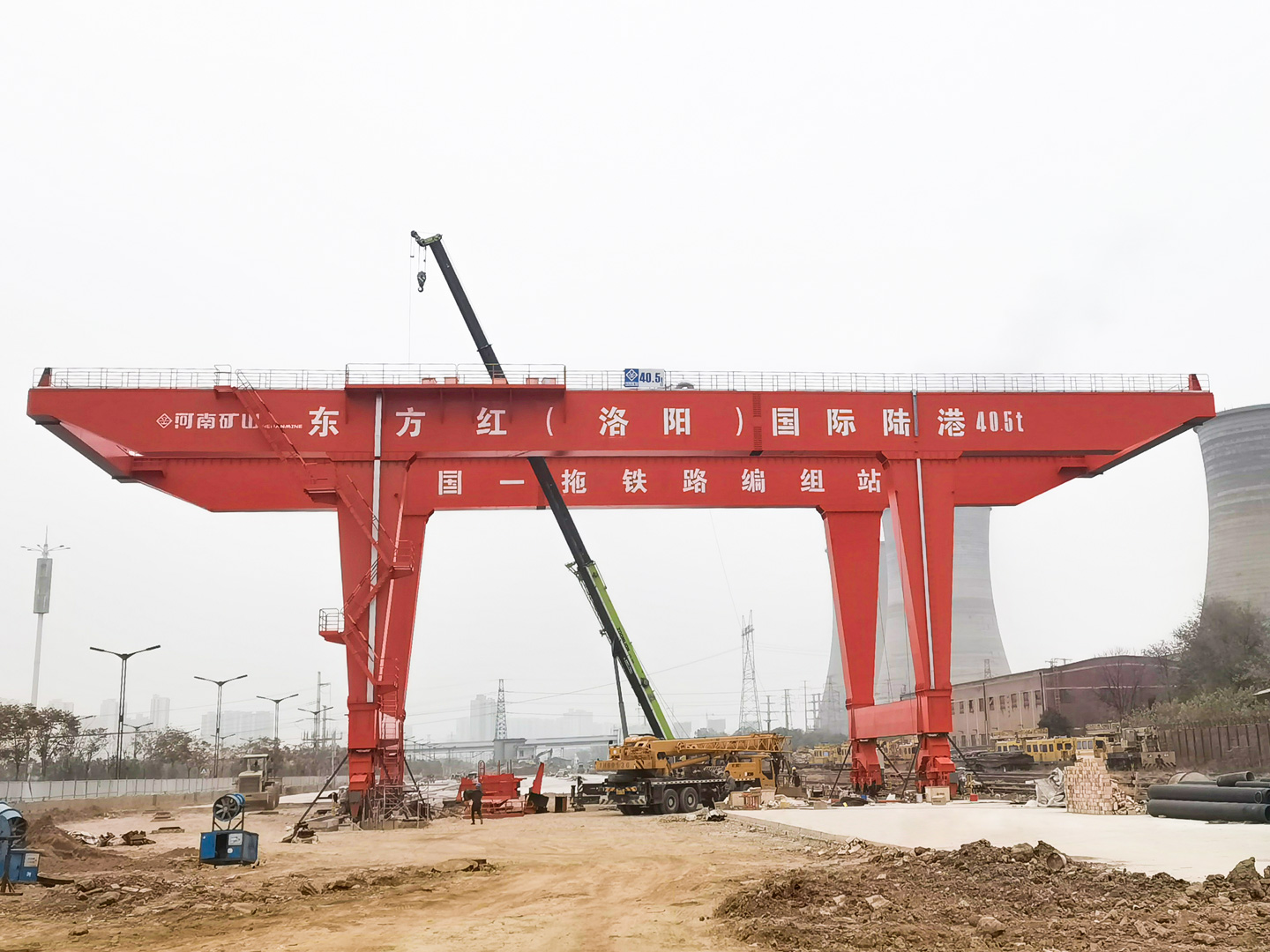
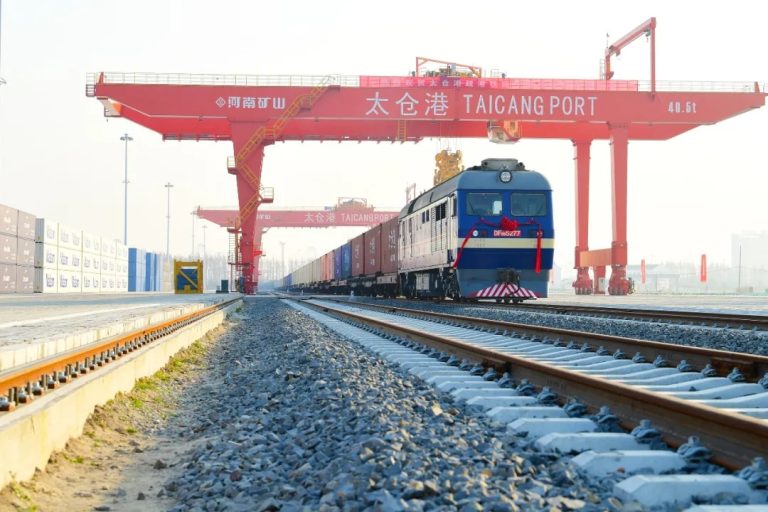
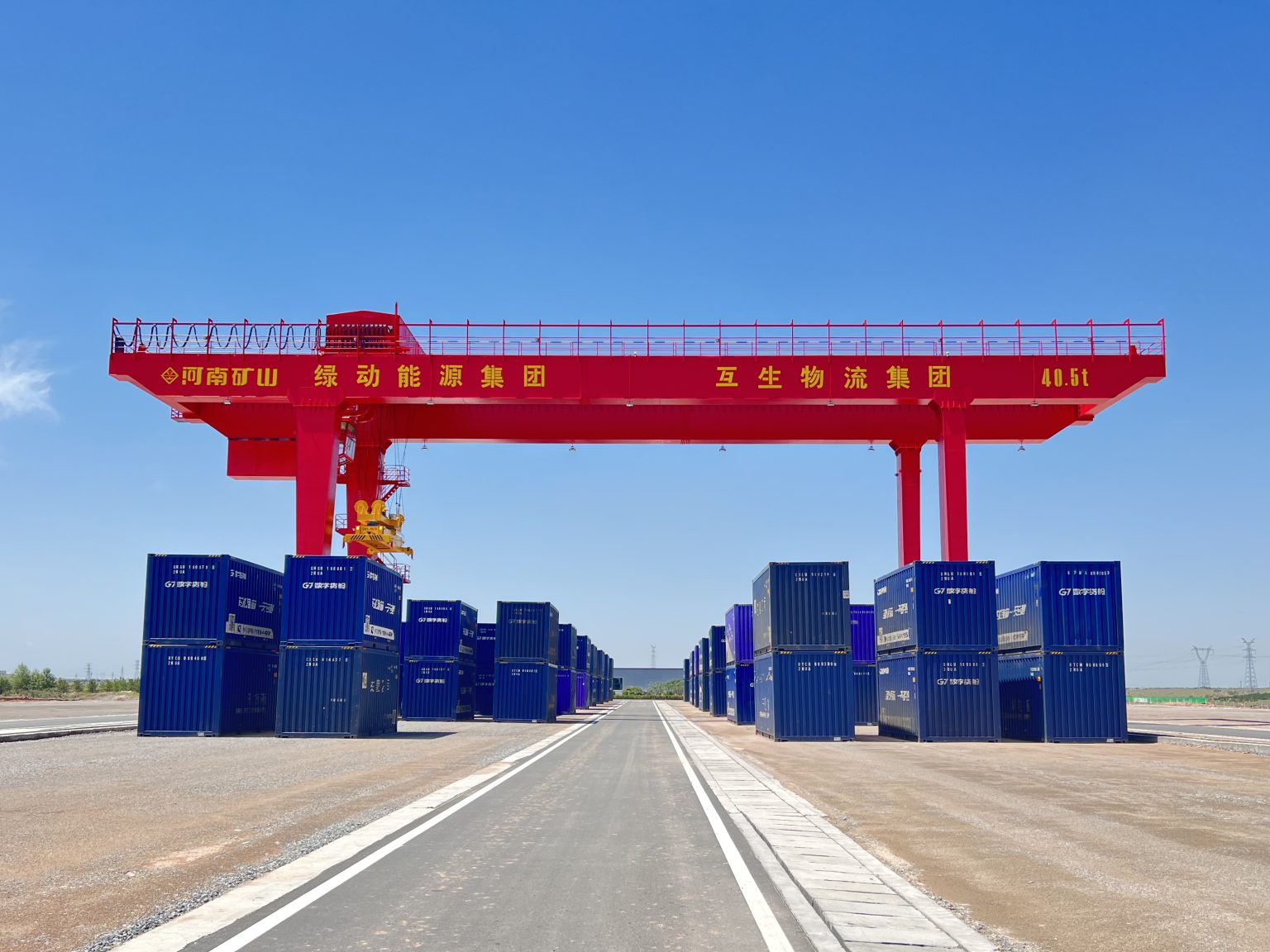
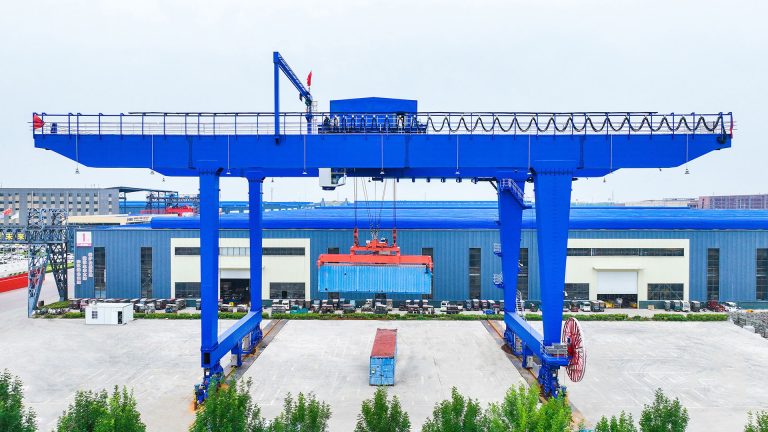
Gantry Cranes mainly applicable to outdoor yards, loading and unloading areas, and operation scenes without the top support structure of the plant. Inheriting the explosion-proof, anti-static, non-sparking core advantages of the overhead travelling crane, it has a flexible layout, strong adaptability to the site, and can be linked with the dust removal system of the plant, perfectly adapted to the outdoor carbon material stacking, transshipment and loading operations. When selecting the model, you need to focus on considering the ground bearing capacity and outdoor wind-resistant design.
Explosion-Proof Jib Cranes or Workstation
They are small workstation lifting equipment, suitable for feeding port, unloading station, mixing workshop, equipment maintenance and other local work areas. Compact structure, small footprint, easy to ground the machine, dustproof sealing, can realize a small range of high-frequency precision lifting, to solve the carbon material handling needs of the local workstation, to avoid the waste of a wide range of equipment resources.
Explosion-proof Monorail and Customized Equipment
Adapted to the assembly line linear conveying conditions, explosion-proof monorail cranes can be accurately docked with pneumatic conveying, closed feeding system, seamless linkage, highly adaptable to automated continuous production process.
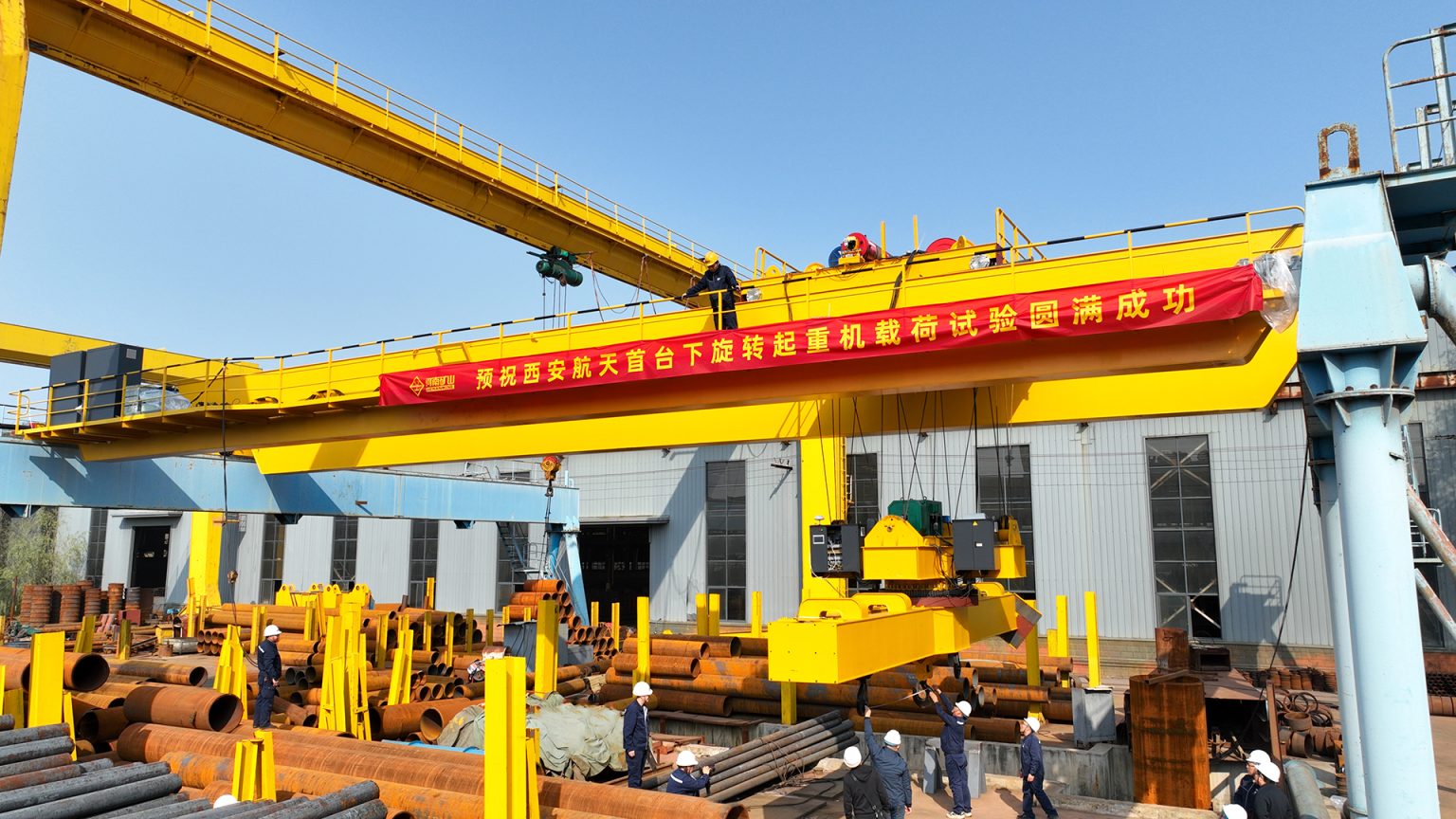
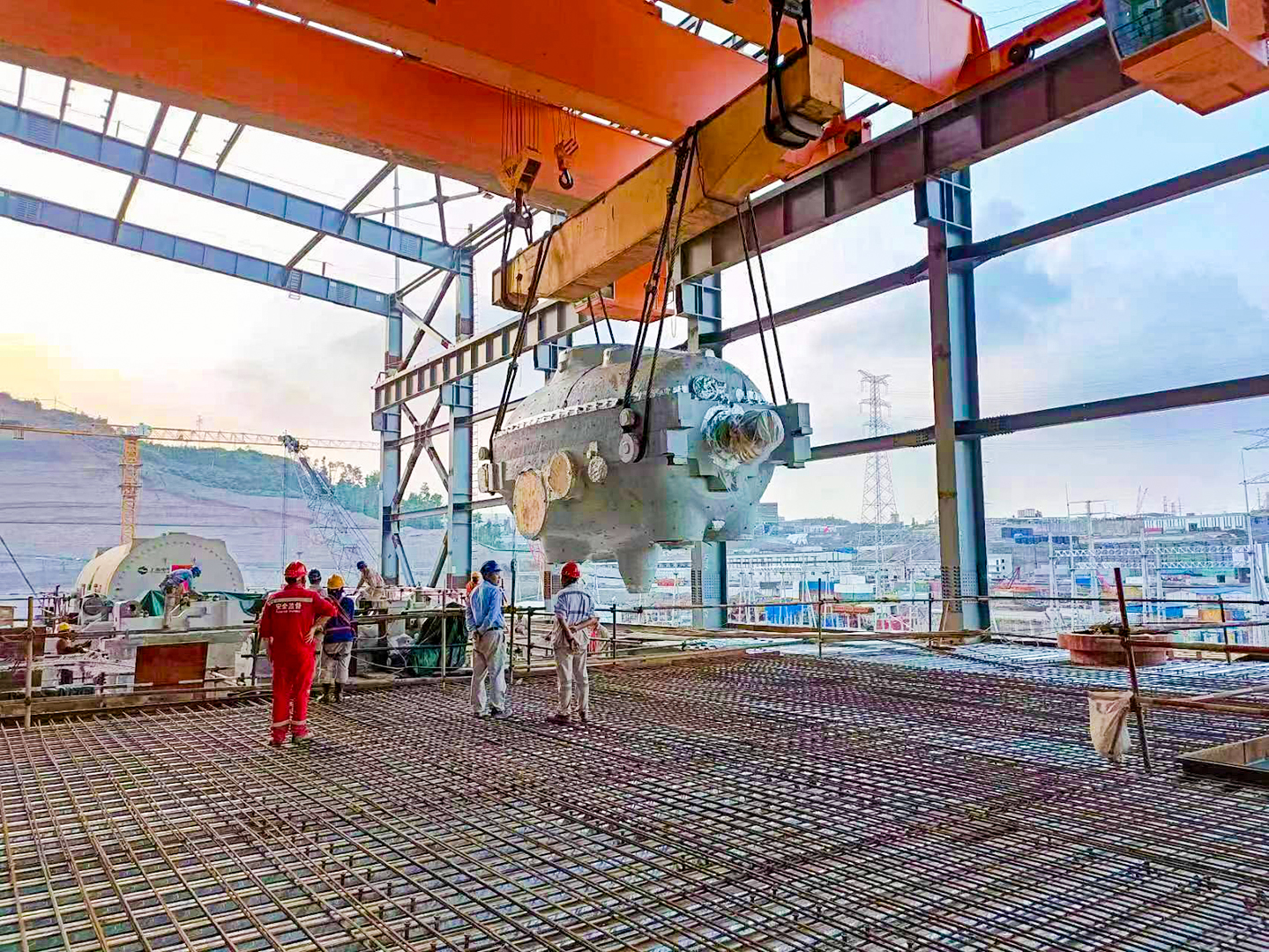
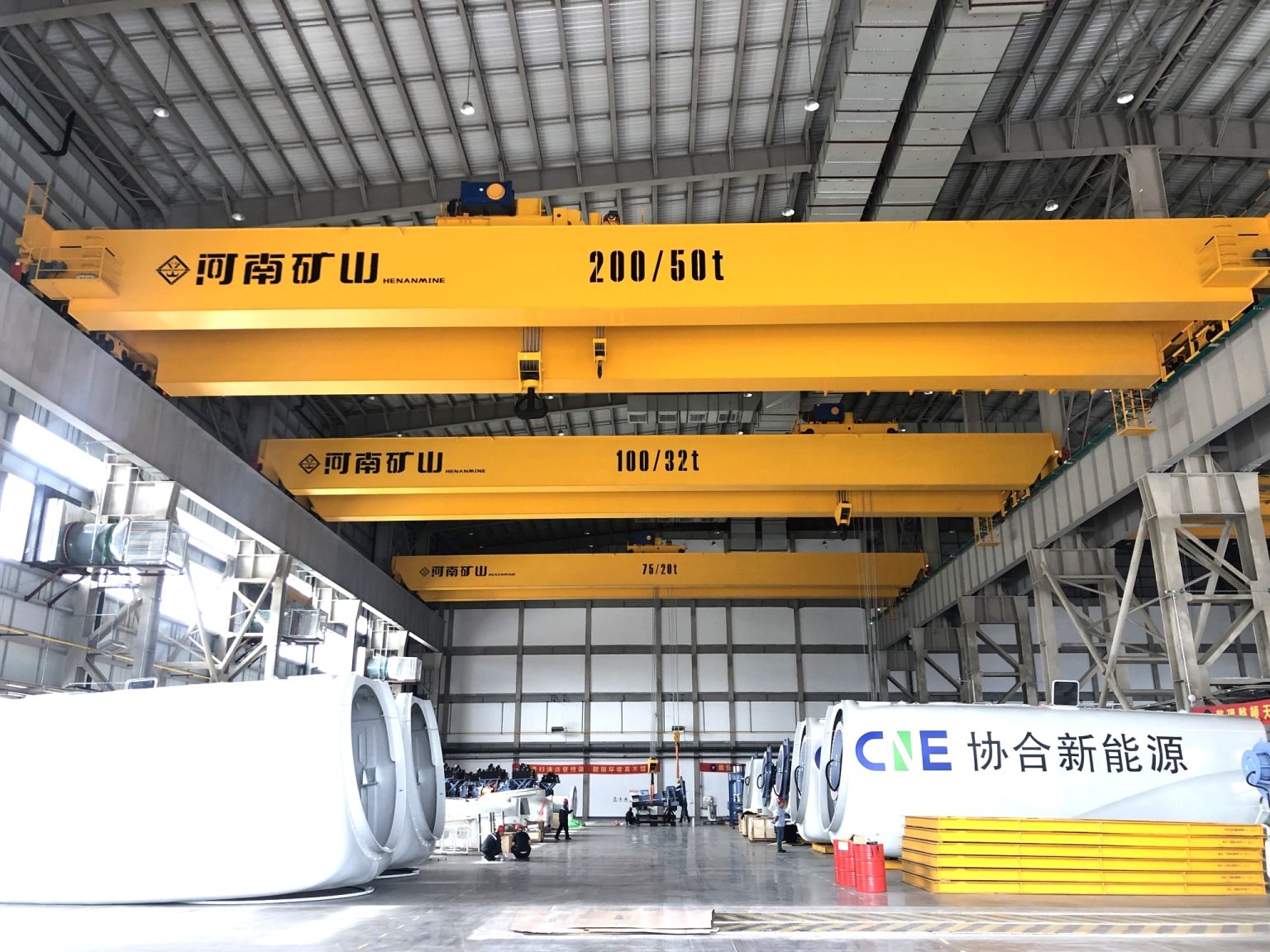
For shaped material structure and complex special conditions, manufacturers can be used to customize the lifting program, such as Henan Mining to provide customized solutions to accurately match the individual operational needs, to solve the problem of non-standard lifting.
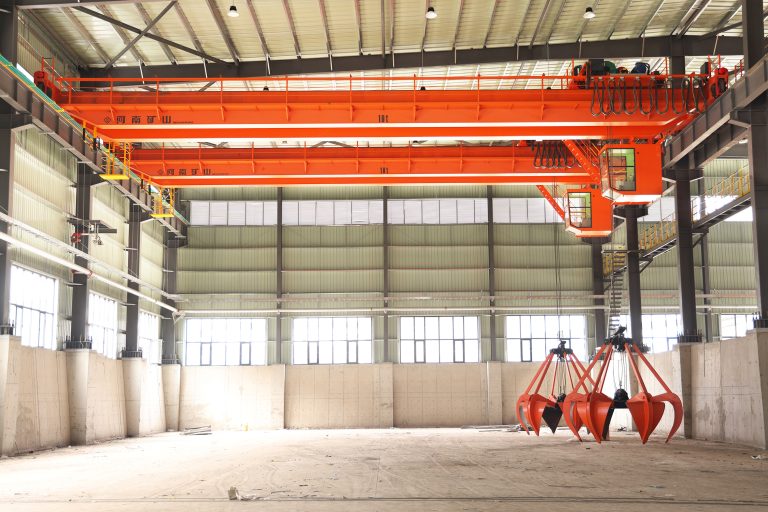
Choosing the Appropriate Lifting Attachments
Attachment is a core component that directly contacts carbon materials, its material, structure and performance directly determine the safety of operation and material integrity, the selection needs to strictly follow the ASME B30.20, OSHA, ATEX/IECEEx standards.
Four core principles for selection of attachments
- Non-sparking material principle: all parts in contact with materials must be made of bronze, brass, austenitic stainless steel and other non-ferrous metals, and ordinary carbon steel is strictly prohibited to avoid impact, friction and sparks.
- Continuous anti-static principle: the attachment needs to form a complete conductive path with the crane body, with grounding straps, conductive slings, continuous release of static electricity, to eliminate the accumulation of static electricity.
- Dustproof and easy to clean principle: Priority is given to the use of smooth closed structure, to eliminate hollowing out, dust accumulation dead ends, reduce carbon dust adhesion, easy to daily cleaning, to avoid the accumulation of dust triggered by the risk.
- The principle of high safety redundancy: the safety factor of the attachment is not less than 5:1, suitable for high-frequency heavy-duty, dusty and corrosive conditions, and at the same time, it has formal explosion-proof and dust-proof certificates.
Recommended Lifting Attachments
- Non-sparking hooks and lower pulley sets: made of solid bronze, bronze-plated stainless steel, they are the standard components of explosion-proof cranes, eliminating impact sparks from the source, and are suitable for all kinds of basic lifting scenarios.
- Conductive slings and explosion-proof rigging: bronze-plated chain, stainless steel wire rope, conductive synthetic fiber slings, taking into account the flexibility, conductivity and non-sparking characteristics, suitable for carbon products, ton bags, soft bags of material lifting.
- Special spreader for tonnage bag: Multi-point closed tonnage bag lifting frame can smoothly lift up carbon products and big bag materials, avoiding bag tearing and dust leakage during lifting, realizing dust-free lifting.
- Dedicated clamps for drums: ATEX certified explosion-proof clamps and tipping spreaders with stainless steel non-sparking structure are suitable for handling and unloading of carbon materials in drums.
- Customized lifting beams and explosion-proof vacuum spreaders: Spark-free lifting beams can be customized for irregular materials and large-scale work equipment; explosion-proof vacuum spreaders can be used for special dust-free work requirements to minimize dust disturbance.
Attachment System Compliance Requirements
Carbon products, high-risk explosion-proof working conditions on the lifting system requirements are stringent, all supporting attachments of explosion-proof, dust-proof, anti-static level with the host machine must be fully matched, and hold ATEX, IECEx, OSHA and other valid official certification to meet the safety supervision compliance verification requirements.
It is strictly prohibited to replace the explosion-proof attachments with ordinary attachments or mix them with the explosion-proof mainframe. Attachment protection is missing or level mismatch, will break the whole machine explosion-proof protection closed loop, resulting in sparks, static electricity, dust leakage and other hidden dangers, very easy to cause explosions, equipment failure, material contamination, resulting in the failure of the whole machine explosion-proof system.
Essential Safety Features for Carbon Handling Cranes
Carbon dust high-risk environment, crane safety configuration needs to focus on “eliminate ignition sources, control dust risk, avoid equipment failure” three core, build a full range of protection systems, fully adapted to Class II Group F dust explosion-proof scenarios standard.
Complete Explosion-proof Electrical System
The whole machine motor, brake, limit switch, control line, junction box are Class II 1 zone / 2 zone explosion-proof configuration, using NEMA 9 dustproof and explosion-proof sealing structure, which can prevent dust from entering the electrical cavity to avoid internal arc, high temperature leakage, and at the same time, strictly control the surface temperature of the equipment, which is lower than the ignition point of the carbon dioxide dust.
Non-sparking Mechanical Structure Design
The hook, pulley, wheel, wire rope and other friction-prone and impact-prone core components of the equipment are made of special non-sparking materials, which can completely eliminate the friction and impact sparks generated during the operation of the equipment, and eliminate the hidden danger of mechanical ignition from the source.
Full-dimensional Electrostatic Grounding System
Equipment to build the whole machine full-dimensional electrostatic grounding system, through the crane body, running track, lifting appliances and materials of the complete conductive path, real-time channeling and release of static electricity accumulated in the course of the operation, a complete solution to the problem of static buildup of carbon materials, and effectively avoid static-induced ignition of dust safety risks.
Professional Dust Protection Structure
The whole machine adopts closed sealing protection design, the surface of the equipment is smooth and flat, no dust accumulation dead corner, with dustproof sealing rubber strips and positive pressure blowing structure, which can effectively prevent carbon dust from invading into the internal equipment. At the same time, the equipment is easy to clean and maintain, which can avoid all kinds of safety hazards caused by dust accumulation and overheating.
Enhanced Safety Protection Devices
The equipment is equipped with multiple safety protection devices, such as overload protection, high and low level limit, travel limit, anti-collision, emergency stop, failure brake, etc. With intelligent sound and light alarm system, it can realize real-time warning of malfunctions and emergency stop of abnormality, which can effectively prevent illegal operation, equipment collision and other safety accidents, and guarantee the safety of operation in all aspects.
Standardized Certification and Operation Management System
The equipment needs to hold UL, FM, ATEX and other authoritative third-party explosion-proof compliance certification, and retain complete qualification and testing information to ensure compliance. At the same time, it is necessary to establish a perfect operator, operation and maintenance personnel special training system, standardized high-risk working conditions operation process, from the equipment and personnel to build a solid safety management system.
Automation and Smart Technology Considerations
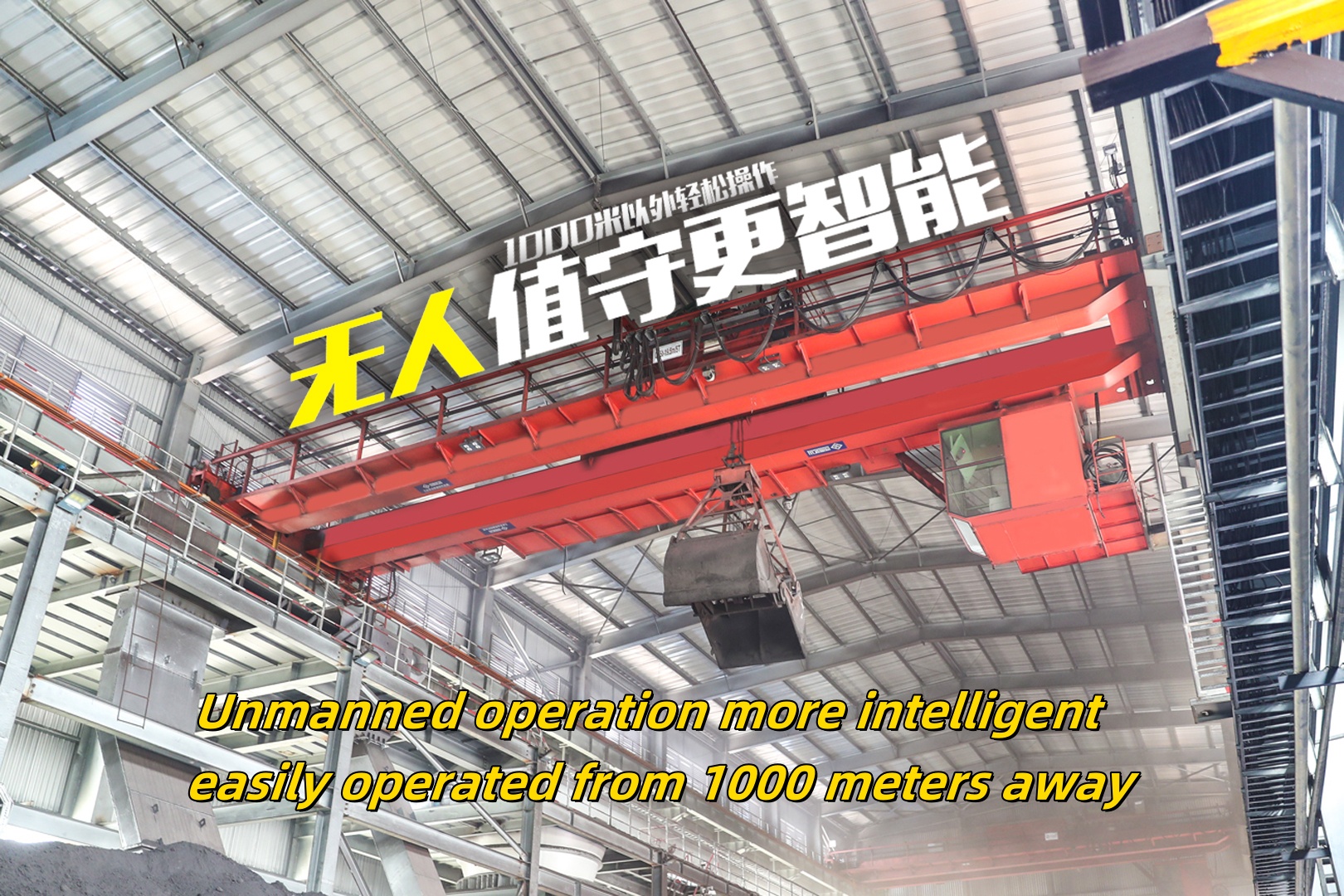
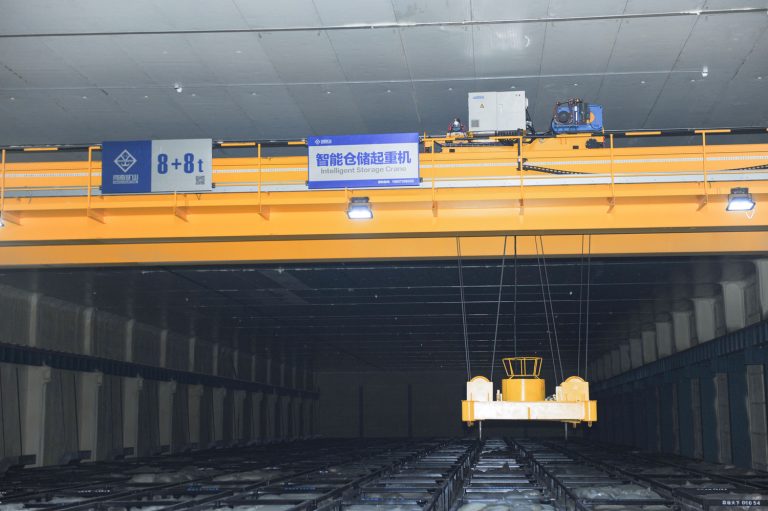
Intelligent automation technology can effectively reduce the frequency of personnel entering the high-risk work area, reduce the risk of manual exposure, while improving the accuracy and stability of the operation, which is the core direction of the modernization and upgrading of carbon plant safety.
Core Application Value
Through intelligent transformation, it can reduce the risk of dust inhalation and electrostatic injury by reducing manual close operation; precisely control the lifting trajectory to reduce the dust caused by material shaking; and realize real-time monitoring of equipment status to pre-judge failures in advance and avoid the risk of equipment failure in high-risk environments.
Intelligent Configuration for High-risk Environments
- Explosion-proof wireless remote control system: Intrinsically safe explosion-proof remote control equipment, the operator can be controlled from a distance, away from high-risk work areas, to protect personal safety.
- Laser positioning and intelligent anti-collision system: Relying on laser and ultrasonic sensors to realize accurate positioning, automatically identify peripheral equipment and building structures, and actively avoid collision to ensure operational stability.
- Real-time Load Monitoring System: Equipped with intelligent weighing sensors, it displays the lifting weight in real time and automatically triggers overload alarm and limit protection to prevent overloading.
- IoT predictive maintenance system: real-time collection of equipment operation data through temperature, vibration, and current sensors, cloud analysis of equipment status, advance prediction of wear and tear, failure problems, and preventive maintenance.
- Environmental linkage monitoring system: docking plant dust, temperature monitoring equipment, when the environmental parameters exceed the standard, automatic alarm and suspension of lifting operations, to avoid the risk of explosion.
- Semi-automatic programmed operation mode: for repetitive lifting processes, a fixed running track can be set to realize one-key start-stop and automatic alignment to improve operational efficiency and standardization.
Cautions
All intelligent sensors and control systems must match the explosion-proof level of the site and hold compliance certification. After the completion of intelligent upgrading and transformation of equipment, the qualification of the whole machine for high-risk environment shall be re-verified, and it is strictly prohibited to modify the structure and control system of the equipment privately, so as to prevent the failure of explosion-proof performance, nullification of the qualification, and other potential safety hazards.
Evaluating Crane Reliability and Maintenance Requirements
Carbon dust working conditions wear and tear, high risk, equipment reliability directly determines the plant safety and production continuity, scientific assessment and operation and maintenance system is the key to long-term stable operation of equipment.
Equipment Reliability Core Assessment Criteria
- match the actual working conditions strictly according to the CMAA working level standard, for the special environment of carbon dust corrosion and high loss, it is necessary to appropriately raise the working level of the equipment and take the way of reducing the amount of use, to offset the loss of the equipment caused by the bad working conditions, and to ensure the stability of the operation.
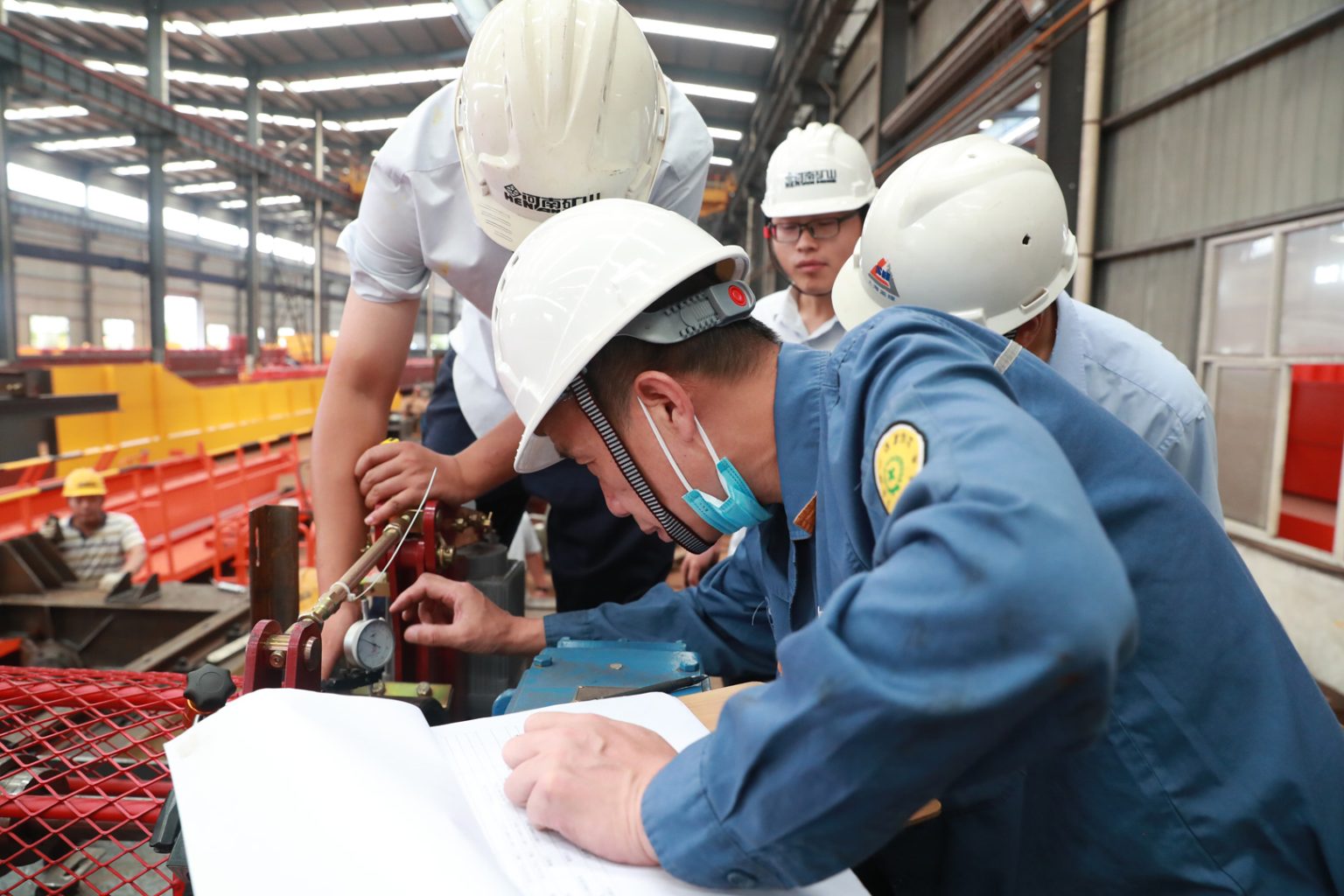
- comprehensively verify the integrity and completeness of the explosion-proof components, dust-proof sealing structure and electrostatic grounding system of the whole machine, and strictly verify the third-party authoritative certification and special test reports to ensure that the equipment complies with the standards.
- Prioritize the selection of equipment with redundant component design, perfect wear-resistant and corrosion-resistant configuration, and excellent MTBF, and at the same time, combine with the manufacturer's carbon products industry similar landing cases to comprehensively assess the suitability of the equipment for the working conditions and operational reliability.
Carbon Dust Environment Exclusive Operation and Maintenance Specifications
- Classified inspection system: daily pre-shift inspection of equipment appearance, grounding status, and dust accumulation; weekly and monthly functional tests to verify the performance of limit, brake, and remote control systems; annual load test, electrical explosion-proof test, and grounding resistance test to complete a comprehensive compliance verification.
- Explosion-proof special operation and maintenance: Regularly check the sealing rubber strips, dust and explosion-proof performance of the box, test the wear and tear of non-sparking parts, verify the value of grounding resistance, and prevent private modification of the structure of the equipment to destroy the explosion-proof level.
- Dust special cleaning and maintenance: the use of dust-free cleaning equipment to regularly clean the dust accumulated on the surface of the equipment, and timely replacement of aging seals, filtering components, to avoid the accumulation of dust erosion of equipment components.
- Digital operation and maintenance management: Relying on the intelligent system to record inspection, repair and maintenance data, realize the traceability of the whole life cycle of the equipment, implement predictive maintenance, and reduce sudden downtime failures.
Full Life Cycle Cost Optimization Strategy
In high-risk environments, low-quality and low-priced equipment will bring high operation and maintenance costs, downtime losses and security risks. Priority is given to high-quality, highly reliable special cranes, the initial investment is slightly higher, but can significantly reduce the frequency of maintenance, parts replacement costs and safety losses, to maximize the cost-effectiveness of the whole life cycle.
Conclusion
Carbon powder is flammable and explosive, easy to generate static electricity, ordinary cranes can not be adapted to carbon production. Need to use explosion-proof, anti-static, dust-proof, fire-resistant flower special cranes, with special spreaders and intelligent protection equipment, to ensure safe production and improve operational efficiency.
It is also important to develop a comprehensive equipment maintenance program and work with experienced crane manufacturers to obtain customized engineering support. A set of mature lifting equipment program can effectively avoid potential safety hazards, meet industry compliance requirements, but also enhance equipment stability, product quality and overall production efficiency.
Henan Mine Crane focuses on the field of high-risk industrial lifting equipment, can provide customized lifting solutions for the carbon, graphite and other industries, to provide a full range of services from the design, intelligent upgrading to after-sales service, to create a safe and efficient material handling system.