
RMG vs RTG Cost Analysis | Best Container Yard Crane Solution
Many container yards, railroad terminals and logistics hubs only compare the bare-bones quotes of RMG and RTG cranes when purchasing equipment. However, for port lifting equipment, the pure purchase price simply does not reflect the real input.
To determine whether a yard container gantry crane is cost-effective, the core to look at the full life cycle cost of ownership, that is, the industry is often referred to as TCO. from the initial infrastructure investment, daily energy consumption, regular maintenance, replacement of consumables, to the equipment downtime loss, labor costs and later upgrade space, each of which affects the cost of equipment for more than ten years.
In this paper, from the perspective of the actual project landing, a detailed comparison of rail mounted gantry crane vs rubber tyred gantry crane cost differences, to help different sizes of yards, terminal operators and EPC contractors to choose the right equipment to match the working conditions, more cost-effective.
the core meaning of Crane TCO
The full life cycle cost of ownership of equipment, covering all the expenses of Crane from procurement, installation, operation to end of life. Many overseas projects have late over-budget problems, most of which are only accounting for the price of equipment in the early stage, ignoring the hidden costs.
The complete TCO includes equipment procurement costs, site infrastructure renovation costs, power supply supporting costs, energy expenditure, maintenance spare parts costs, labor operating costs, and equipment failure and downtime brought about by operational losses, as well as late automation upgrades, equipment refurbishment of the potential investment.
Harbor and yard cranes are ultra-long-cycle fixed assets, service life is generally more than 20 years. Initially low-priced equipment, often because of high-frequency maintenance, high energy consumption, frequent failures, accumulating higher long-term costs.
There is no absolutely cheaper equipment, only the cost solution that fits the project conditions, site planning and operation mode. Fixed high-frequency operation of the yard and flexible temporary yard, suitable for a completely different model.
RMG and RTG Crane Basic Introduction
RMG Rail Mounted Gantry Crane
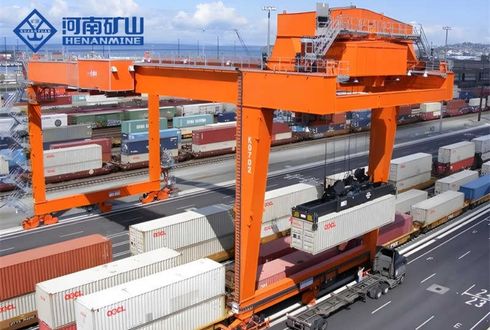
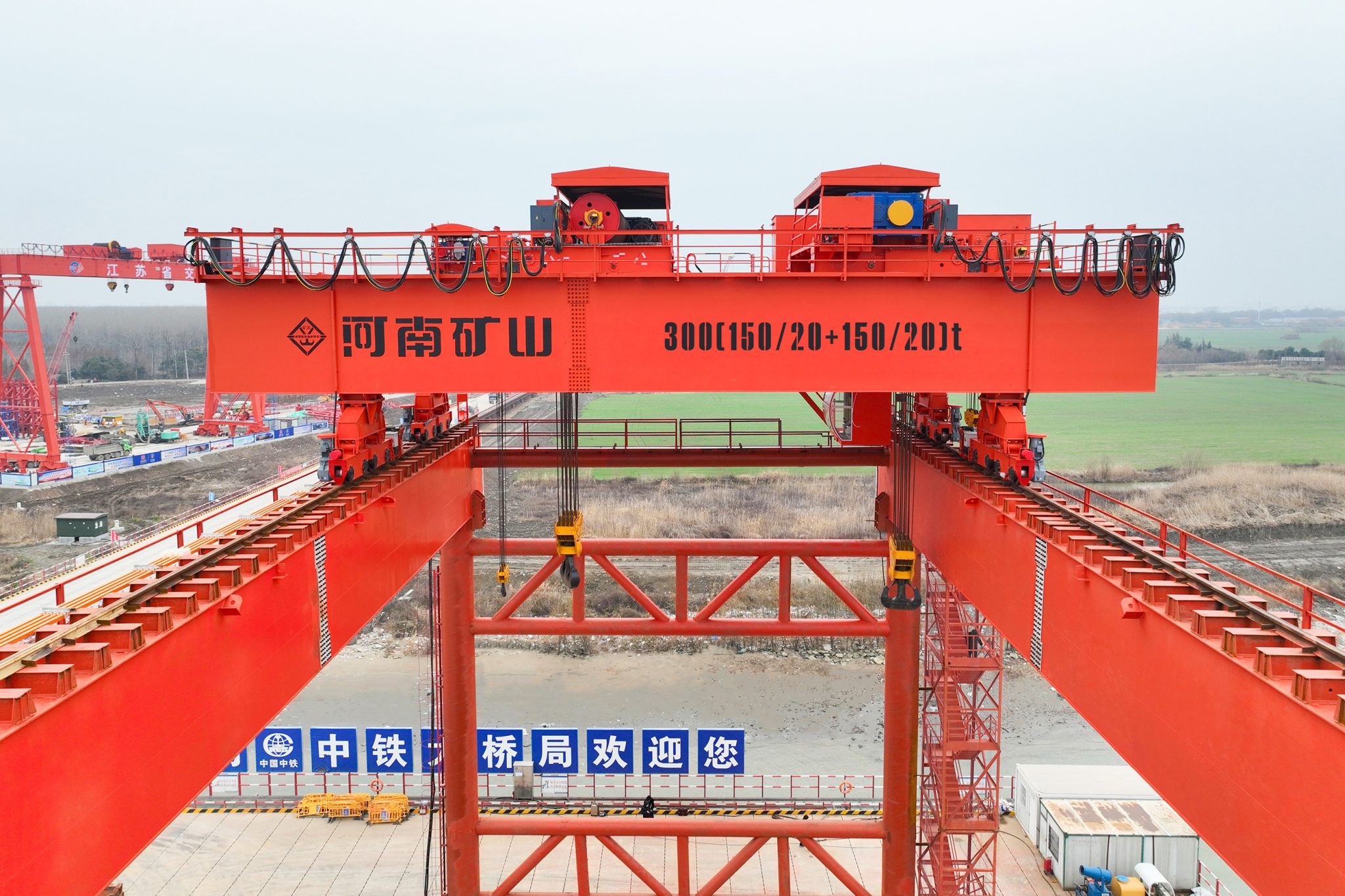
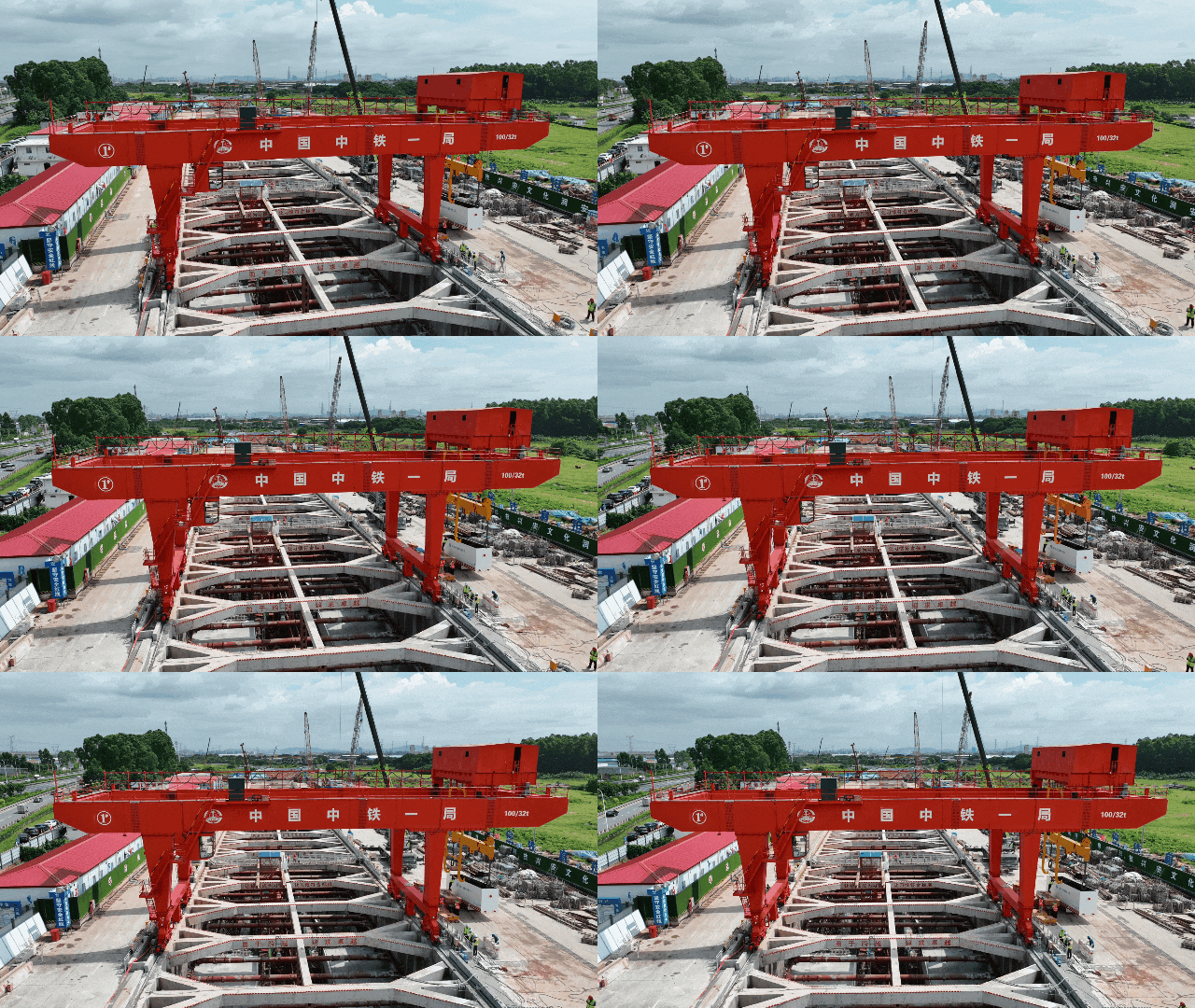
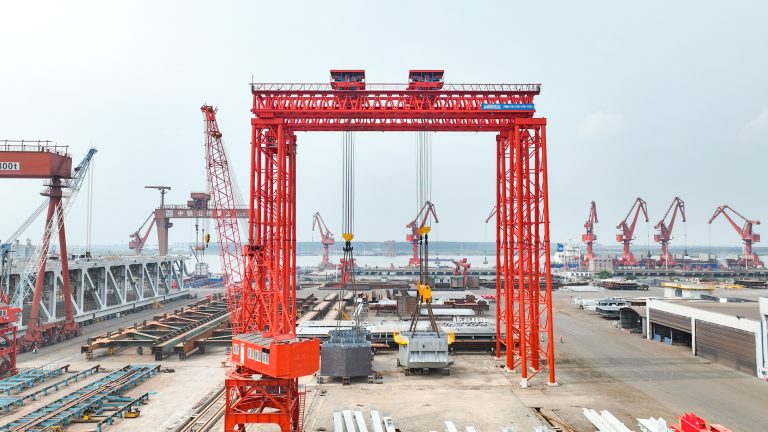
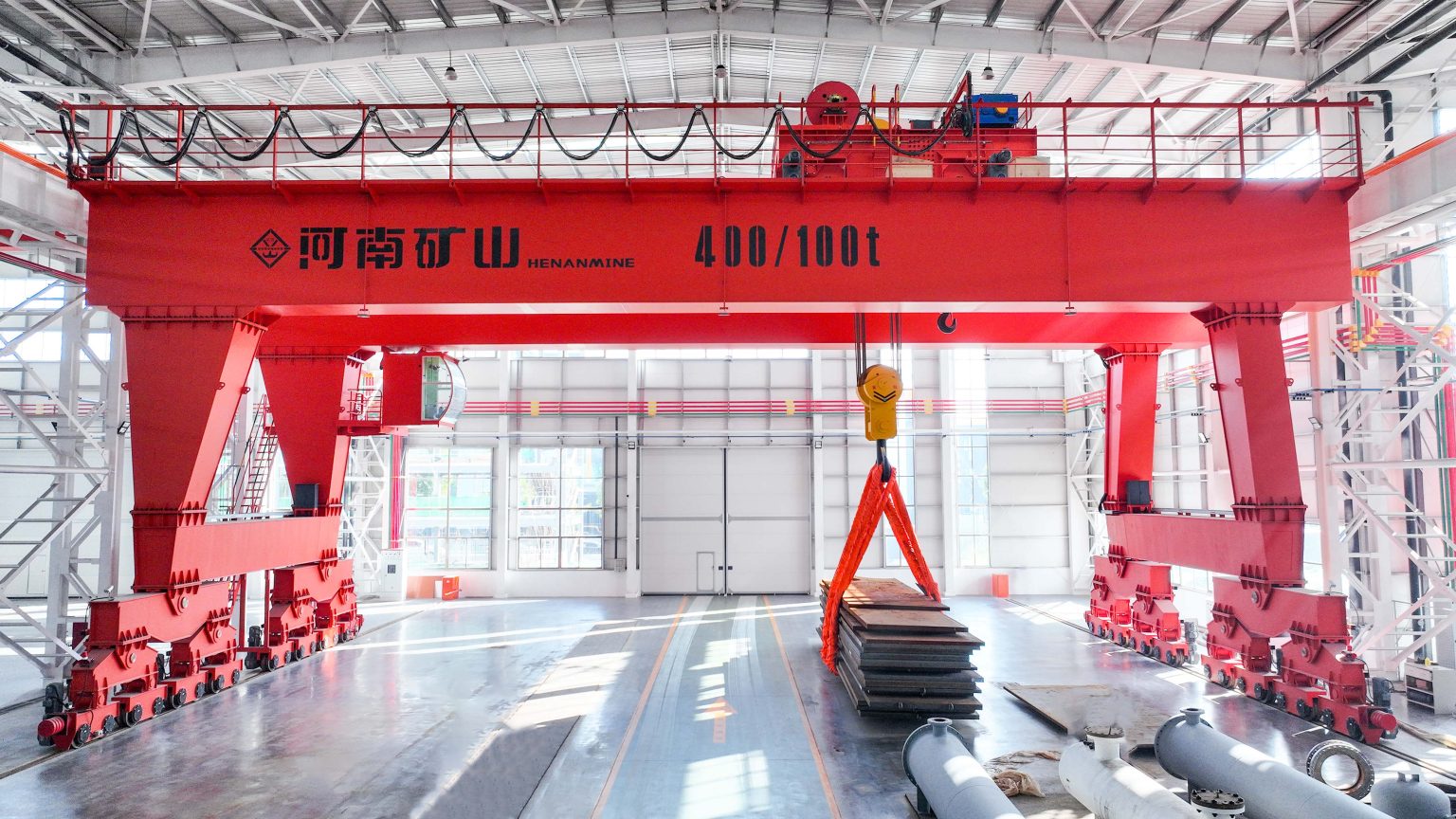
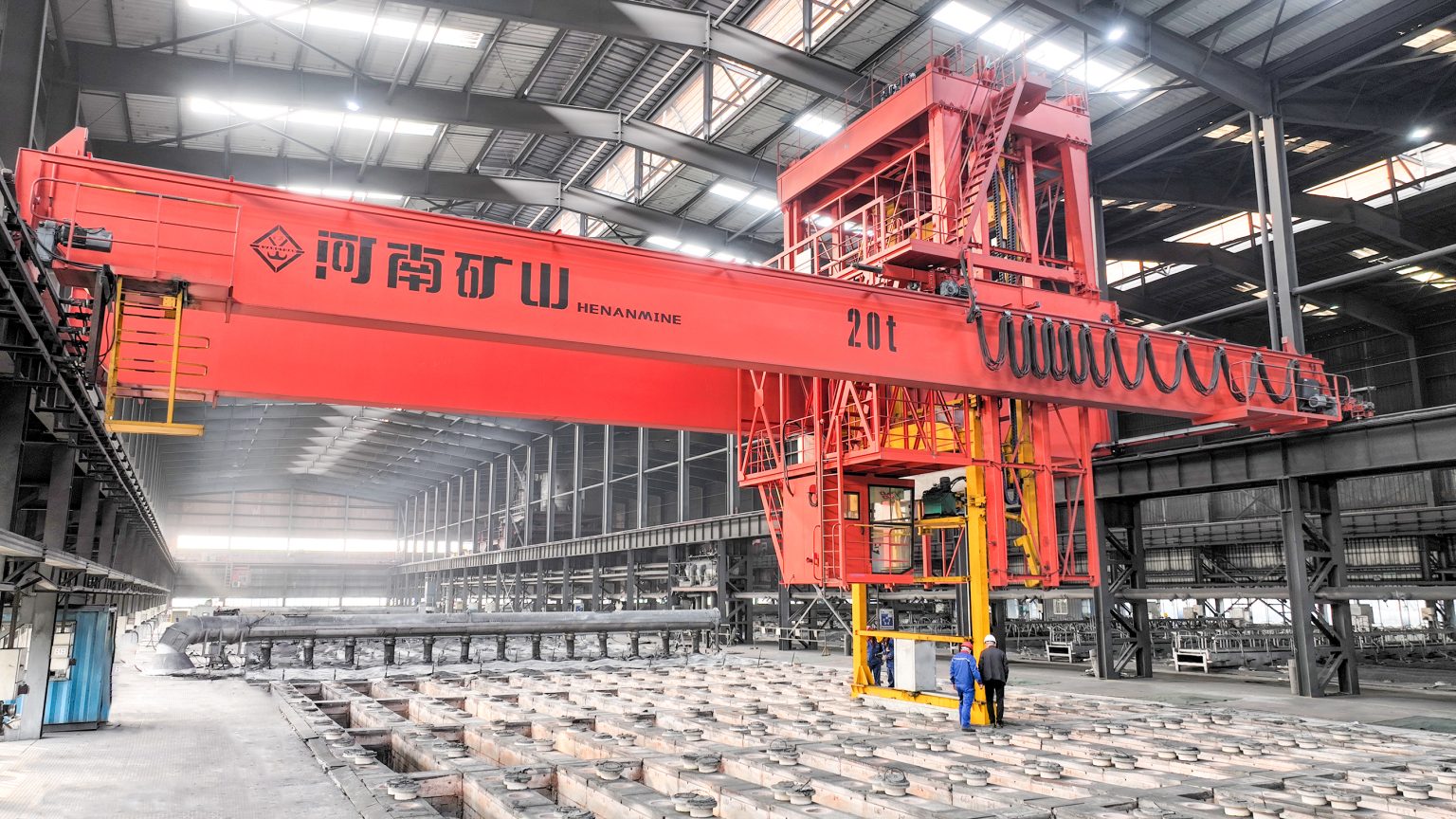
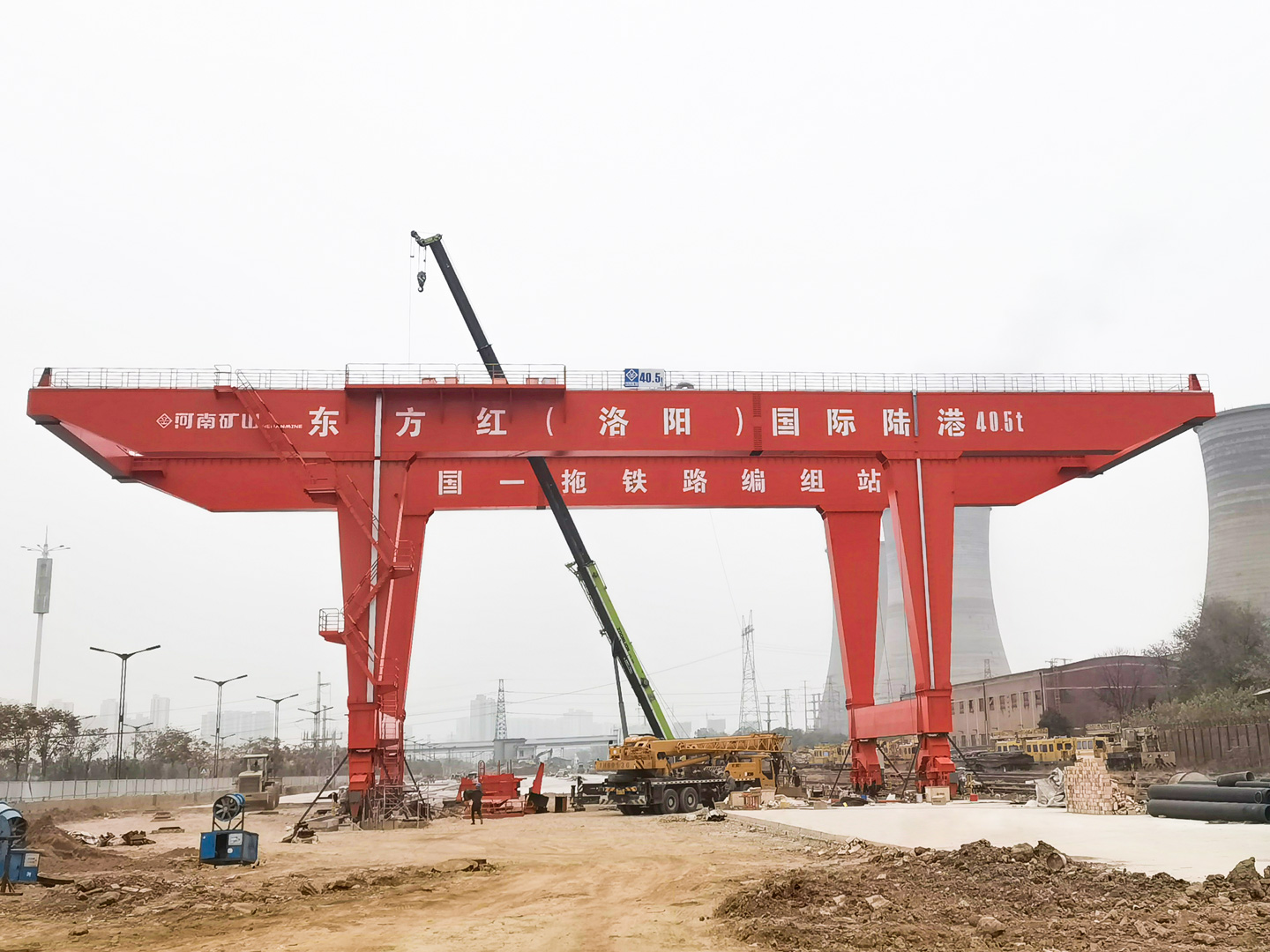
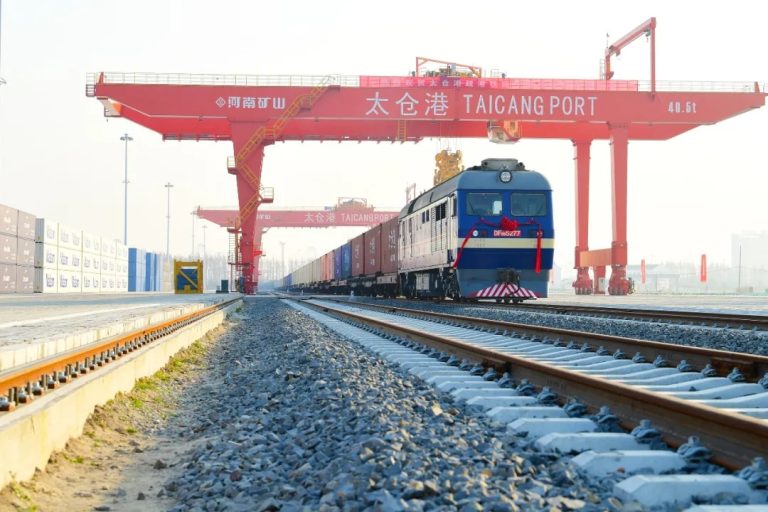
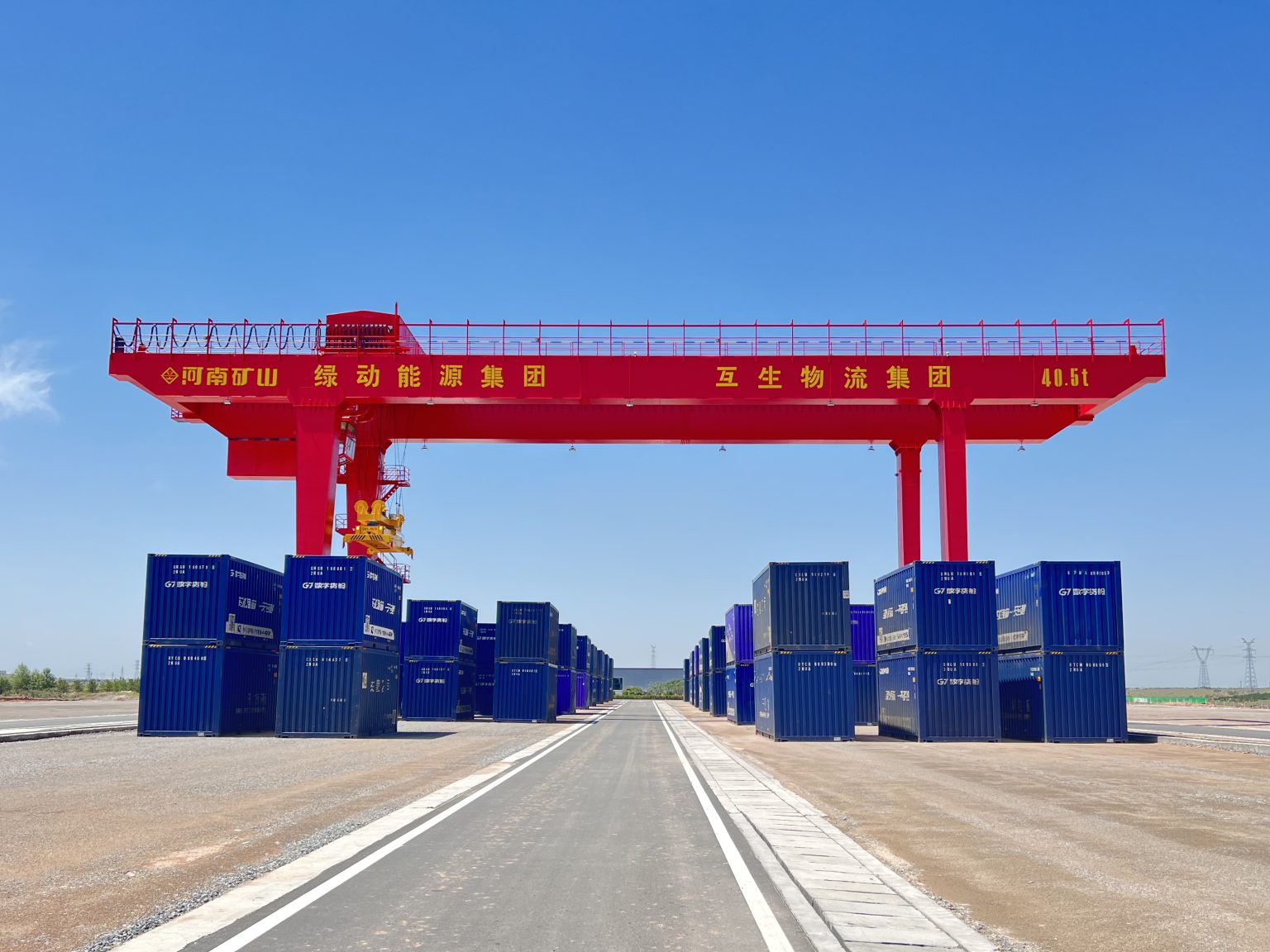
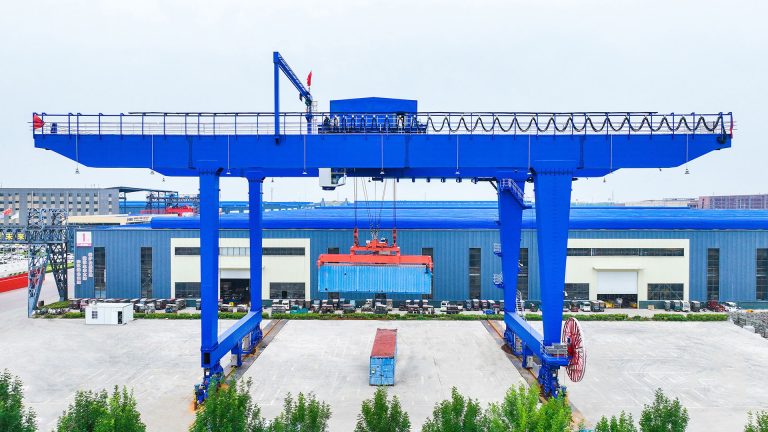
RMG full name Rail Mounted Gantry Crane, relying on the ground to travel on a fixed track, is a standardized container yard, rail freight station, inland waterless port of the main equipment. The equipment runs on a fixed track, with high alignment accuracy and good running stability.
This kind of container RMG crane is suitable for high-frequency and high-density container stacking and transshipment operations, with strong electrification adaptability, and it is also the preferred model of the current automated smart terminal.
Its shortcomings are also more obvious, the equipment relies on a fixed track infrastructure, the site layout, once finalized, it is difficult to arbitrarily adjust, the preliminary civil construction investment is relatively higher.
RTG Tire Gantry Crane
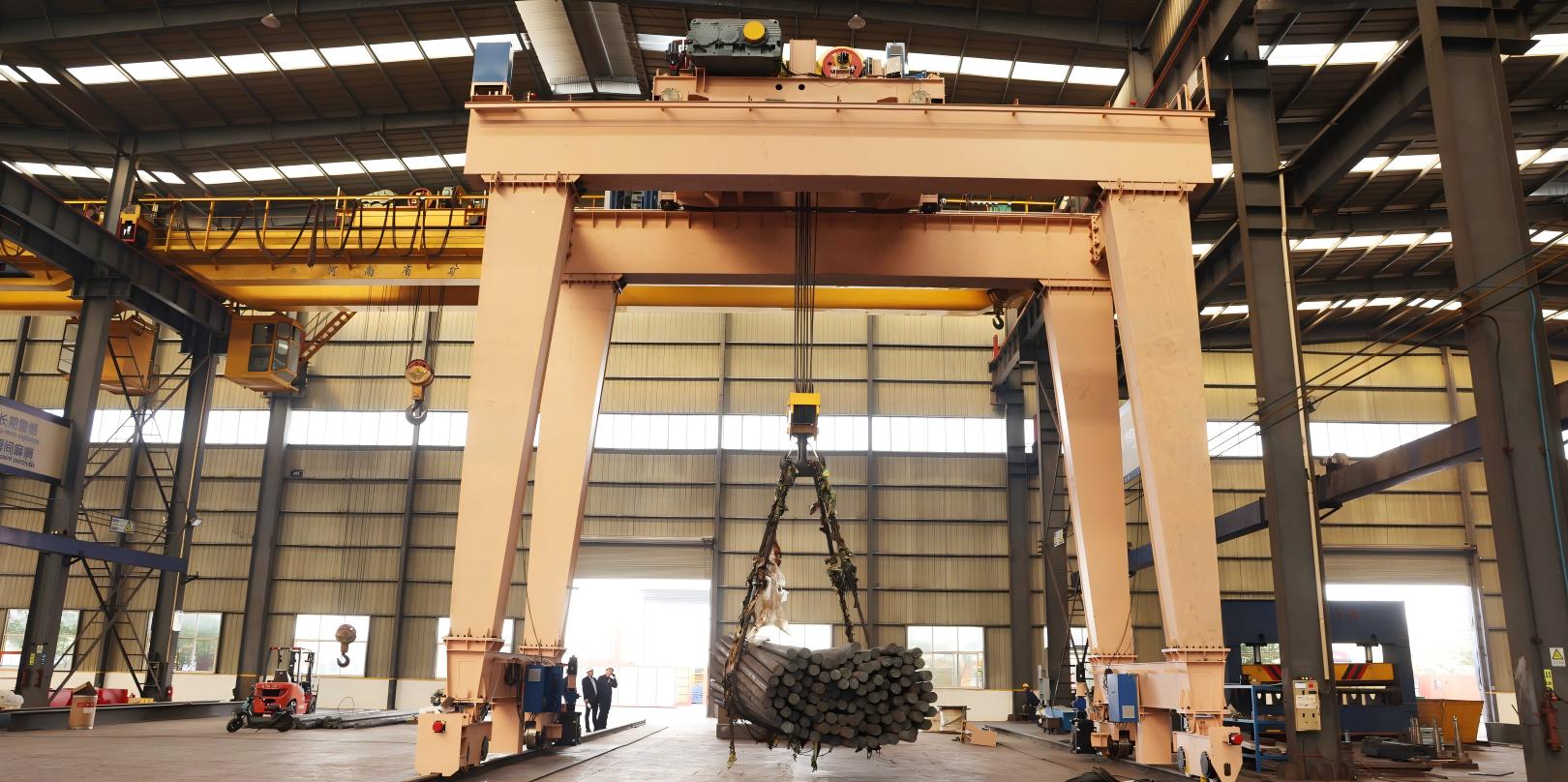
RTG is known as Rubber Tyred Gantry Crane, which uses rubber tires to walk without the constraints of a fixed track, and has great operational flexibility. Most of the small and medium-sized flexible yards, temporary storage areas will use this type of equipment.
RTG Crane can be freely switched within the yard operating area, low threshold for site modification, fast deployment, suitable for the layout of frequent adjustments, the scope of operation is not fixed logistics projects.
However, tire wear, steering system loss, fuel or hybrid system maintenance, will become a long-term operation of the fixed expenditure, but also many users are easy to ignore the hidden costs.
Comparison of RMG and RTG Costs in All Dimensions
Combined with the practical experience of various overseas yard projects, the core cost and performance differences between the two types of Cranes are compiled to visualize the TCO gap:
| Cost & Performance Factor | RMG Crane | RTG Crane | Long-Term TCO Impact |
| Initial Equipment Cost | Medium-High | Medium | RTG has slight advantage in bare machine price |
| Civil & Foundation Cost | High (rail & foundation required) | Low (only yard pavement) | RMG increases one-time infrastructure investment |
| Annual Energy Cost | Low (pure electric, stable operation) | High (diesel/hybrid power loss) | RMG saves continuous energy expenditure |
| Daily Maintenance Cost | Low (no tire replacement) | High (tire & steering system upkeep) | RTG produces recurring consumable cost |
| Automation Upgrade | Low cost, easy realization | High cost, complex navigation system | RMG is more suitable for future intelligent yards |
| Operation Flexibility | Fixed yard layout only | Free movement & layout adjustment | RTG adapts to changeable yard demands |
| Service Life | 25-35 years | 15-20 years | RMG extends long-term replacement cycle |
In-depth analysis of core sub-costs
Initial infrastructure and equipment investment
The biggest threshold of RMG Crane is the civil construction support. In addition to the equipment itself, it is also necessary to lay tracks, fixed sleepers, pouring special foundations, with a synchro line or cable reel power supply system, the one-time infrastructure investment is higher.
RTG does not need track construction, only need to harden the site to meet the standard, less investment in infrastructure in the early stage, the equipment into the field faster, suitable for short-term projects with limited budget and urgent production.
Long-term energy cost
Most of RMG crane for container yard adopts pure electric drive, stable power supply, low running loss and no fuel consumption. The annual energy savings for terminals with high-frequency year-round operation are very considerable.
Diesel and hybrid RTGs have fuel loss and power conversion loss, and even if they are upgraded to pure electric version, they need to be equipped with charging facilities, so the overall energy cost is always higher than that of RMG equipment in the same working condition.
Maintenance and Consumables Costs
RMG relies on fixed track driving, stable traveling structure, almost no alignment deviation problems, the core maintenance focuses on the motor, electronic control and lifting mechanism, no high-frequency expenditures on consumables.
The rubber tires of RTG are just consumables, and need to be replaced regularly because of the serious wear and tear of long term heavy driving and steering. At the same time, the steering system, hydraulic system, diesel unit maintenance frequency and cost, much higher than the RMG Crane.
Automation upgrade and downtime costs
Fixed rail makes the automation of RMG extremely difficult to transform, can be easily adapted to remote control, automatic stacking and dock system docking, to adapt to the future demand for intelligent yard upgrades.
RTG automation requires the installation of complex navigation, collision avoidance and path planning systems, which is costly to retrofit. And tire failure, steering deviation easily lead to equipment downtime, indirectly generating yard operation delay costs.
Model selection: when to choose RMG, when to choose RTG?
For projects with fixed site layout, high container throughput and long-term stable operation, customized RMG crane is preferred, while railroad container yard, inland waterless port and large fixed storage yard are the core adaptive scenes of RMG.
These projects have a long operation cycle, RMG lower energy consumption, less maintenance, longer service life, can quickly erase the difference in the price of the previous infrastructure, long-term TCO advantage is very obvious.
Site planning has not been finalized, the need for frequent adjustment of the operating area, belonging to the temporary transitional yard project, more suitable for RTG Crane. Flexible mobility, can maximize the use of site resources, to avoid the waste of fixed infrastructure.
the selection of price comparison of common misconceptions
Many purchasers only compare the bare metal offer, ignoring infrastructure, consumables, energy consumption and other hidden costs, it is easy to cause selection errors. Low-priced RTG consumables and energy expenditures for many years, often far more than the cumulative RMG infrastructure price difference.
Part of the project only look at the current working conditions, ignoring the future demand for automation upgrades. When you want to transform the smart yard in the later stage, the transformation cost of RTG will be much higher than the investment of direct purchase of RMG in the early stage.
At the same time, you can't just pursue low-cost infrastructure. High-frequency operational scenarios forced selection of RTG, will lead to accelerated wear and tear of equipment, failure and downtime increase, but affect the overall efficiency of the yard operation.
Henan Mine Crane how to provide suitable cost optimization solutions
As a professional RMG crane supplier China, Henan Mine Crane will not blindly recommend high-priced equipment, but will calculate TCO one by one and match the optimal model according to the customer's site layout, operation frequency, budget planning and long-term operation goals.
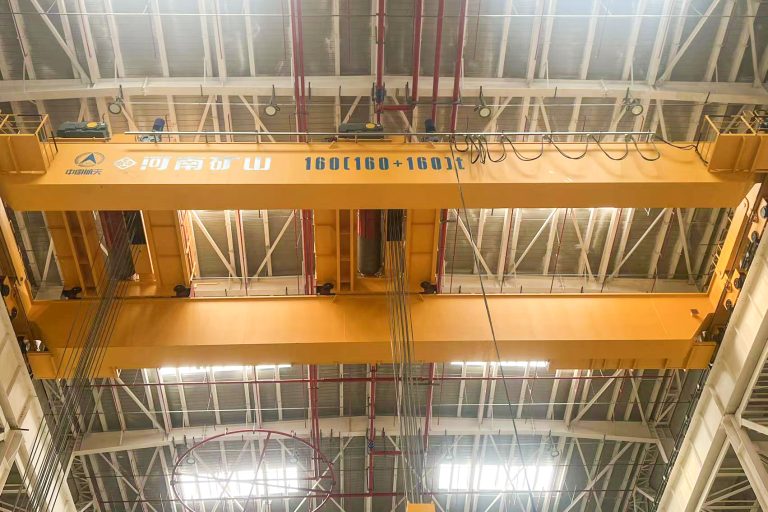
For fixed high-frequency yards, we can provide non-standard customized RMG Cranes, optimize the self-weight of the steel structure, electrical configuration and power supply scheme, under the premise of ensuring the stability of the equipment, to control the overall investment.
For flexible operation and short-term operation projects, we will also give the cost comparison program between RTG and RMG, so that customers can clearly see the gap between short-term investment and long-term benefits.
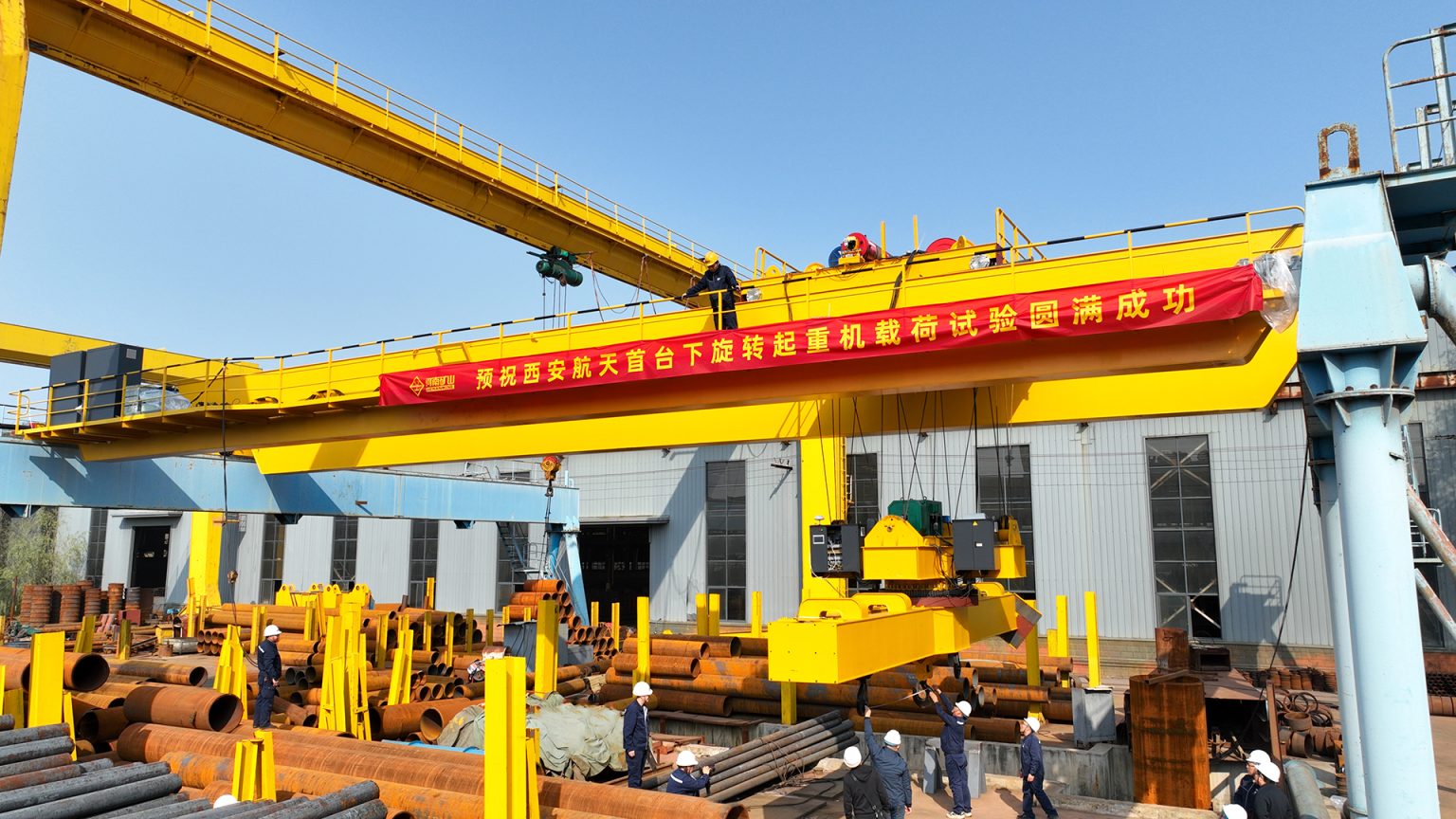
At the same time, we can provide a full set of technical drawings, wheel pressure parameters, installation guidance and overseas after-sales support to reduce the hidden costs of equipment installation, operation and upgrading.
FAQ
Which one has lower overall cost, RMG or RTG?
For long-term fixed high-frequency operation scenarios, RMG has a lower total life cycle cost. For temporary and flexible yard changes, RTG has less upfront investment and higher overall cost performance.
Which Crane is more suitable for automated terminals?
RMG Crane rail fixed, running track can be controlled, automation transformation is simple, strong stability, is the mainstream selection of automated container terminals.
What is the biggest hidden cost of RTG?
Mainly regular replacement of tires, steering system maintenance and long-term fuel energy consumption, the cumulative expenditure over the years is much higher than the difference in equipment prices.
Conclusion
Selecting a reliable gantry crane manufacturer is never simply looking for a low price quote, the core is a comprehensive solution to match the project Model suitability, accuracy of technical parameters, production process, quality inspection standards, manufacturer experience and long-term service, far more important than the price difference. Model suitability, accuracy of technical parameters, production process, quality inspection standards, manufacturer experience and long-term service, far more important than the price of a single purchase.
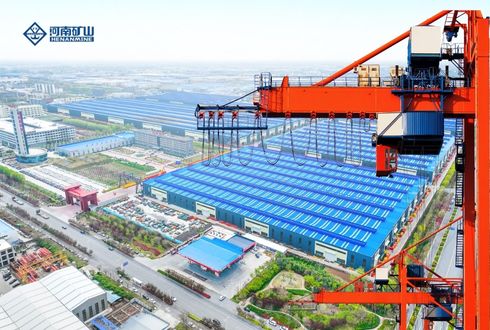
Henan Mine Crane, as a professional global gantry crane source manufacturers, with mature overseas project landing experience, can provide model selection, non-standard customization, protection upgrades, technical docking, installation and after-sales service for all kinds of outdoor We always take the actual needs of the project as the core, and provide highly adaptable and stable gantry crane solutions for There are gantry crane procurement and after-sales service for all kinds of outdoor complex working conditions.
There are gantry crane procurement and selection needs, you can provide equipment tonnage, span, lifting height, site conditions and drawings, Henan Mine Crane engineers team for your one-on-one customization of exclusive lifting solutions.